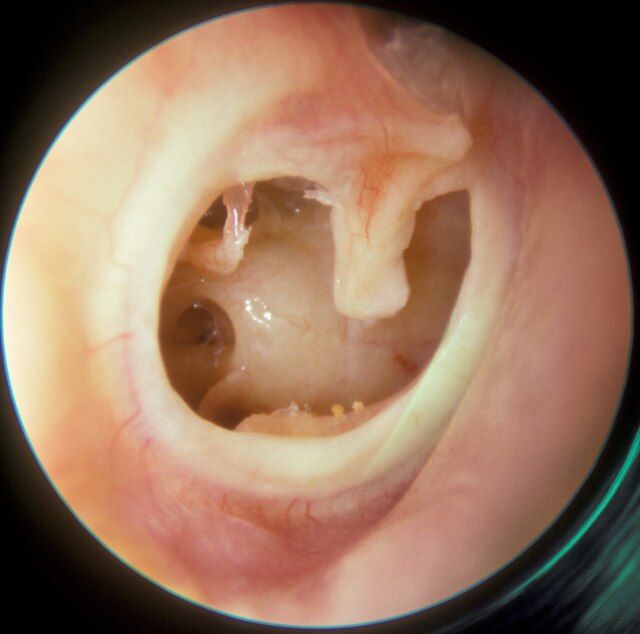
Otitis Media is a group of inflammatory diseases of the middle ear, often affecting children and causing pain, fluid buildup, and hearing difficulties.
Set reading age
View for Kids
Easy to read and understand
View for Students
Clear, detailed explanations
View for Scholars
Deep dives and big ideas
Otitis Media is a fancy name for a common ear problem! 🎉It happens when the middle part of your ear gets inflamed or infected. This area is right behind the eardrum and helps you hear. In fact, it's where sounds travel before reaching your brain! Many kids get otitis media, especially between the ages of 6 months and 2 years. About 3 out of 4 kids have had it by age 3. It can happen because of a cold or allergies. Luckily, doctors can help treat it so kids can hear and feel better again! 💖👂
When a child has Otitis Media, doctors have a few ways to help them feel better. 🩺For mild cases, they might just recommend some pain relievers, like ibuprofen, to reduce discomfort. If it’s a bacterial infection, they might prescribe antibiotics to fight the germs. Sometimes, if a child has recurrent ear infections, doctors may suggest putting in ear tubes to help drain fluid. It sounds like a big deal, but this treatment is common and often helps kids avoid future infections. The goal is to make sure little ears stay happy and healthy! 🌈
There are fun ways to help prevent Otitis Media! 🎉First, washing your hands often can keep germs away. Encourage kids to cover their mouths when they cough or sneeze, too! Using a humidifier at home can help keep the air moist, which is good for the ears. 🌬️ If you're around smoke, try to avoid it because it can irritate the ears. Breastfeeding babies can help reduce ear infections, and making sure kids get their vaccinations can help, too! Taking these steps can keep those ears safe and sound! 👧👦
Otitis Media means "middle ear infection." 😷 The middle ear is a small space behind the eardrum that can get filled with fluid. This can happen when germs or bacteria enter because of upper respiratory infections, like a cold or runny nose. There are different kinds of otitis media: acute, chronic, and glue ear. Acute is the sudden infection, chronic lasts a long time, and glue ear has thick fluid. When kids have otitis media, it can hurt and make it hard to hear. Understanding this helps us take care of our ears! 🦻
Otitis Media is often caused by bugs like viruses and bacteria! 🤒When children catch colds, these germs can spread to the ears and cause inflammation. Other causes can include allergies, sinus problems, or even changes in air pressure, like when flying in an airplane! 🌍Kids who are near smoke or live in crowded places may get otitis media more often. Did you know children’s ear tubes are shorter and more horizontal, making it easier for bacteria to reach the ear? Knowing these causes helps protect young ears! 👶
How can you tell if someone has Otitis Media? 🤔Look for these symptoms: ear pain, tugging at the ear, trouble sleeping, fever, or irritability. Children may even complain of hearing difficulties! A doctor uses a tool called an otoscope to look inside the ear and check for fluid or inflammation. If you see any of these symptoms, it's important to see a doctor who can diagnose it. Remember, if it hurts, it’s good to speak up so you can get treated and feel better soon! 🚑
There are a lot of ideas about Otitis Media that aren't true! 🤔One myth is that you can get it from getting your ears wet or swimming. That’s not correct; it’s more related to infections from colds! Another misconception is that only kids can get ear infections. Adults can too! Some people believe you should always take antibiotics for ear infections, but that’s not right either. Sometimes, the body can heal on its own! Learning the correct information helps everyone take better care of their ears! Time to bust those myths! 🎉🔍
Sometimes, Otitis Media can lead to complications if not treated properly! 😟One risk is hearing loss, which can affect a child's ability to learn. Another is the spread of infection to surrounding areas, like the mastoid bone behind the ear, leading to mastoiditis. In rare cases, fluid can build up in the ear, causing more problems like chronic infections. That's why it’s super important to see a doctor when you have symptoms! Staying on top of our ear health can prevent these complications and keep our hearing sharp! 🎶
Scientists are always looking for new ways to understand and treat Otitis Media! 🔬Research is happening in many countries, including the U.S. and Australia. Some studies focus on vaccines to prevent infections related to otitis media. Others look at how to improve the way doctors use antibiotics. They also explore natural treatments, like probiotics, to help keep kids well! With all this research, the future looks bright for reducing ear infections in children. One day, we might have even better tools and treatments, ensuring happier, healthier ears! 🌍✨
Did you know Otitis Media affects kids more than adults? 🧒👩 While both can get ear infections, children are more vulnerable because their ear tubes are shorter and more horizontal. Adult ears are better at draining fluid, which helps prevent infections. Adults often experience less pain and faster recoveries than kids. However, when adults do get Otitis Media, it's often from sinus issues or allergies. When it comes to treatment, what's good for little ones may differ from what adults need. Knowing these differences helps us protect everyone’s ears! 🔍


DIY is a creative community where kids draw, build, explore ideas, and share.
No credit card required