Optic Nerve Facts For Kids
The optic nerve, or cranial nerve II, is a paired cranial nerve responsible for transmitting visual information from the retina to the brain, allowing us to see the world around us.
Select reading age
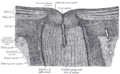
Optic Nerve Facts For Kids
Videos & Quizzesincluded
About this topic
The optic nerve is a special wire that helps you see! 🔍It connects your eyes to your brain, passing visual information from the retina, where images are formed, to the brain, which understands what you see. The optic nerve is also called cranial nerve II and is one of the 12 important nerves in your head. Both eyes have an optic nerve, one for each eye. Located behind your eyes, it is about 2 inches long. Without this nerve, we wouldn't be able to see all the amazing colors and shapes in the world! 🌈👀
Explore with ChatDinoKey Points
The optic nerve starts to form before you are even born!
The optic nerve is made up of about 1 million tiny nerve fibers called axons!
The main job of the optic nerve is to pass visual information from your eyes to your brain!
Sometimes, the optic nerve can get injured due to accidents, diseases, or other problems.
The optic nerve plays a big role in how we see the world!
Scientists are always discovering new things about the optic nerve!
Doctors use special tests to check how healthy your optic nerve is!
Sometimes, the optic nerve can get sick, just like we do.
Did you know that different animals have different optic nerves?
Photos of Optic Nerve

A fundus photograph showing the back of the retina. The white circle is the beginning of the optic nerve.

Optic Nerve — photo 2

A. ophthalmica und ihre Äste

Gray682

Gray683

This is an SVG version of Gray's Anatomy depiction of the optic nerves & nuclei, optic chiasma, and the optic lobes in a human brain

Intraorbitale Strukturen in der Aufsicht von oben auf die geöffnete rechte Orbita.

Nerves of the orbit, and the ciliary ganglion. Side view.
🎉 Optic Nerve Development
The optic nerve starts to form before you are even born! 🎉In babies, the optic nerve grows rapidly in the early months after birth. By around 2 years old, it reaches its adult size. The process begins when special brain cells grow and extend towards the eyes. As you grow, the connections strengthen, helping visual information flow better to your brain. Studies show that young children's optic nerves can adapt quickly and are very flexible, helping them learn about the world around them as they grow! 🌻
Go deeper🧠 Anatomy Of The Optic Nerve
The optic nerve is made up of about 1 million tiny nerve fibers called axons! 🧠These axons come from special cells called retinal ganglion cells in the retina. The nerve itself has a thick protective coating called myelin, which helps send messages fast! The optic nerve begins at the back of each eye and travels through a hole in the skull called the optic canal. The two optic nerves meet at the optic chiasm, where some fibers cross to the opposite side. This helps our brain understand what we see more clearly! 🔗
Go deeper🧠 Function Of The Optic Nerve
The main job of the optic nerve is to pass visual information from your eyes to your brain! 🧠👀 When light enters your eyes, it hits the retina, which converts the light into electrical signals. These signals travel through the optic nerve and reach the brain. The brain then processes these signals, allowing you to recognize objects, colors, and movements. This process happens so fast, you don't even notice it! The optic nerve basically acts like a messenger, carrying important sight messages to help you understand your surroundings! ✨
Go deeper🚑 Optic Nerve Injury And Repair
Sometimes, the optic nerve can get injured due to accidents, diseases, or other problems. 🚑If this happens, it can affect how well we see. If the injury isn't too severe, doctors might help your optic nerve heal with medicine or therapy. Scientists are also researching ways to repair it, like using special cells to encourage growth. Just like how a superhero can get back up after a fall, researchers are trying to help the optic nerve recover! Every day, new discoveries are made to help keep our eyes safe and healthy! 🦸♂️
Go deeper🌍 Role Of The Optic Nerve In Vision
The optic nerve plays a big role in how we see the world! 🌍When light hits your retina, small cells called photoreceptors convert that light into electrical signals. These signals travel through the optic nerve to the brain, where they are turned into images! The brain combines information from both optic nerves to help us see in 3D. This way, we can tell how far away things are and catch a baseball or ride a bike safely! So next time you look around, remember how important your optic nerve is for your sight! ⚾🚴♂️
Go deeper🧪 Recent Research In Optic Nerve Studies
Scientists are always discovering new things about the optic nerve! 🧪Research is being done to find ways to protect it from diseases like glaucoma or help it heal after injury. Some scientists are even looking into using stem cells to regenerate damaged optic nerves, which could restore sight for people with severe injuries! These studies are exciting because they promise a brighter future for eye health. So remember, each day, brilliant minds are working hard to understand more about the optic nerve and improve vision for everyone! 🌟🔬
Go deeper🩺 Diagnostic Tests For Optic Nerve Health
Doctors use special tests to check how healthy your optic nerve is! 🩺One common test is called the visual field test, where you look at dots on a screen and press a button when you see them. They can also use an ophthalmoscope, a tool that lets doctors look at your retina and optic nerve at the back of your eye. Another method is optical coherence tomography (OCT), which helps the doctor see pictures of the optic nerve! These tests are quick and easy, ensuring your eyes stay in great shape! 🌈💡
Go deeper🤒 Diseases And Disorders Of The Optic Nerve
Sometimes, the optic nerve can get sick, just like we do. 🤒These conditions can affect vision. One common problem is called optic neuritis, which happens when the nerve gets inflamed and can make things blurry! Another condition is glaucoma, where increased pressure can damage the optic nerve and lead to loss of vision if not treated. People with these issues may need visits to the eye doctor or special treatments to help keep their eyes healthy and clear. Taking care of your eyes is super important! 💖👩⚕️
Go deeper🐶 Comparative Anatomy Of The Optic Nerve In Animals
Did you know that different animals have different optic nerves? 🐶🐱 For example, birds have very large optic nerves because they rely on sight to find food and escape predators. Dogs have excellent night vision because their optic nerves are large and adapted to see in low-light conditions! Some animals, like chameleons, can even move their eyes independently, getting 360-degree vision! Each animal's optic nerve adapts to its unique environment and helps them survive. 🌳Each design is like nature's way of fitting the right nerve for the right job in the animal kingdom! 🦋
Go deeper