Ojibwe is a Native American language spoken by the Ojibwe people, rich in cultural significance and diverse dialects.

Set reading age
View for Kids
Easy to read and understand
View for Students
Clear, detailed explanations
View for Scholars
Deep dives and big ideas
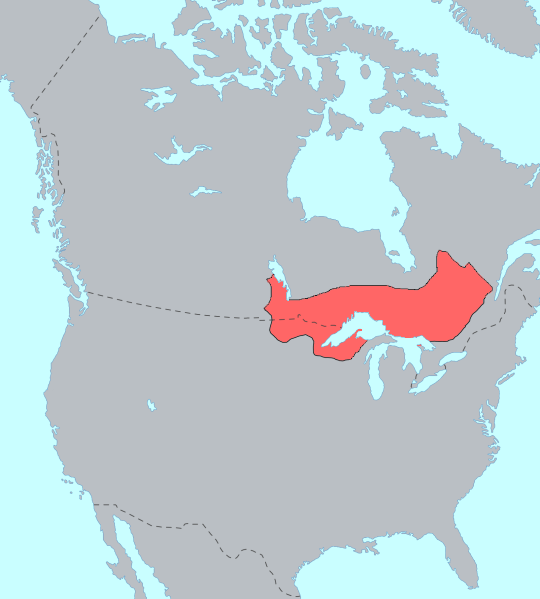
The Ojibwe language, also known as Anishinaabemowin, is spoken by the Ojibwe people in Canada and the United States 🎉. It belongs to the Algonquian language family, which includes other languages like Cree and Menominee. The Ojibwe language has different dialects, including Northern Ojibwe, Southern Ojibwe, and others. Many words in Ojibwe describe nature, animals, and family 🦊. Learning this language helps to preserve Ojibwe culture and traditions. The language is special because it has its own sounds, grammar, and way of telling stories that are important to the Ojibwe people!
The Ojibwe people have lived in North America for thousands of years! 🏞️ They are originally from regions around the Great Lakes, including parts of modern-day Wisconsin, Michigan, Minnesota, and Ontario. The word "Ojibwe" might come from the term "O-chib-way," which means "to pucker" (like the way some things grow!). Historically, they used the Ojibwe language for storytelling, trade, and ceremonies. The first Jesuit missionaries who came to Canada in the 1600s documented the language, helping it to be written down using letters for the first time 📜. This has allowed new generations to learn it!
Ojibwe art is colorful and creative! 🎨People make beautiful items using beadwork and quillwork. Beadwork uses tiny beads to make patterns on clothing, bags, and jewelry. Quillwork involves using porcupine quills to create bright designs on items. Ojibwe artists often include symbols from nature, such as animals and plants 🌸. Additionally, they create drums and flutes, important for music and storytelling. These art forms not only decorate but express their cultural identity, linking generations through creativity.
The Ojibwe culture is rich and full of traditions! 🌼Many Ojibwe people celebrate festivals like powwows, where they dance, sing, and share food. Stories and legends passed down through generations teach important lessons about life and nature. Traditional clothing often features beautiful beadwork, reflecting nature and stories in design. Plants like tobacco are used in ceremonies as gifts to the spirits. Teaching children the Ojibwe language at a young age helps keep these traditions alive for the future 📿.
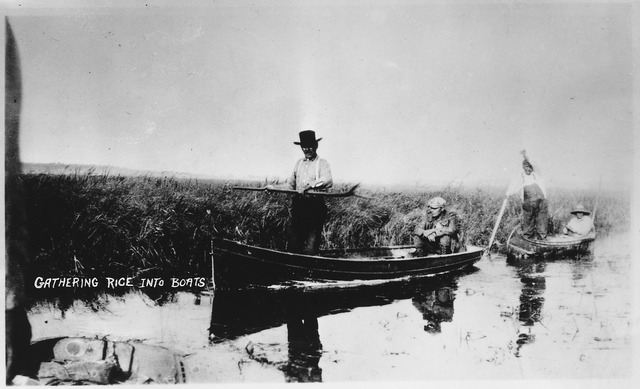
The Ojibwe diet is closely connected to nature, focusing on what the land provides 🌳. Historically, they hunted deer, fished in lakes, and gathered wild rice, which is very special to them. Wild rice grows in shallow waters and is often used in traditional dishes! They also collect berries like blueberries and strawberries during summer. Another important food is maple syrup, made by tapping maple trees in early spring. Community gatherings often center around sharing meals, bringing families together to enjoy traditional foods and talk about stories 🍽️.
The Ojibwe have made many important contributions to society! 🎖️ They have shared their knowledge of nature, including sustainable practices and ways to care for the environment. Native scientists, artists, and leaders from the Ojibwe community work to educate others about their culture and rights. Famous Ojibwe individuals include author Louise Erdrich and activist Winona LaDuke. They have raised awareness about indigenous issues and helped protect land and waters. Learning about Ojibwe contributions helps people appreciate the rich cultural heritage that exists in our world today! 🌎❤️
Ojibwe is an interesting language because it's a syllabic language! 🗣️ Instead of just using letters like in English, it uses sounds combined into syllables. It features a unique system of prefixes and suffixes, which means you can change one word to create new meanings! For example, “nibi” means water, and “nibiish” means watery. There are also special words called “animacy” which show whether something is alive or not. Ojibwe is a beautiful language that teaches about the environment, relationships, and the world around us 🌏.
Today, the Ojibwe language faces challenges. 🇺🇸📉 Fewer children are learning the language, making it harder to keep it alive! Many Ojibwe communities are working hard to revitalize their language through programs in schools and cultural events. Some schools teach Anishinaabemowin as part of the curriculum. There's also growing interest in language apps and online resources to help people learn. It’s important for everyone to support these efforts so that future generations can speak, read, and write Ojibwe and keep their culture thriving 🌟.
Ojibwe spirituality is based on a deep respect for nature 🌲. They believe everything in the world is connected, including plants, animals, and people. Important beliefs include "minobimaadiziwin," which means living a good life. Ceremonies, like the sweat lodge and naming ceremonies, are held to connect with the spirits and to ensure good health and happiness. The Ojibwe also celebrate the "Seven Grandfather Teachings": wisdom, love, respect, bravery, honesty, humility, and truth. These teachings guide their life and relationships with others, helping create harmony in their communities 🌈.