Oghuz Turks Facts For Kids
The Oghuz Turks were a significant western Turkic people known for their nomadic lifestyle, unique language, and contributions to several historical empires.
Select reading age

Oghuz Turks Facts For Kids
Videos & Quizzesincluded
About this topic
The Oghuz Turks were a group of people who lived long ago in Central Asia! 🌍They spoke a special language called the Oghuz language, which is part of the Turkic language family. The Oghuz Turks are important because they helped shape many cultures in places like Turkey, Azerbaijan, and Turkmenistan. They were known for their bravery, skills as warriors, and connections to various empires. The fascinating history of the Oghuz Turks still influences people today! 📜
Explore with ChatDinoKey Points
The Oghuz Turks spoke a language that formed a part of the Turkic language family.
The legacy of the Oghuz Turks can be seen in various countries today.
It's believed that the Oghuz Turks originally came from the Altai Mountains, located in modern-day Mongolia!
The Oghuz Turks lived in clans or groups where family ties were very important.
The Oghuz Turks played a significant role in the formation of some ancient empires!
The Oghuz Turks originally practiced a form of shamanism, connecting with nature and spirits.
As the Oghuz Turks traveled, they met many different cultures!
As the Oghuz Turks moved west, they split into several tribes.
In our modern world, the spirit of the Oghuz Turks can be found in various aspects of society.
Today, many people in Turkey, Azerbaijan, and Turkmenistan trace their roots back to the Oghuz Turks.
Photos of Oghuz Turks

The Old World in 600 AD

Genealogical tree of the Oghuz with Tamghas.

Basic forms of nomadic state from Xiongnu to Mongol

Male bust on a coin of Nasir al-Din Artuq Arslan, an Oghuz Döğer ruler of the Artuqid dynasty, Mardin, dated AH 611 (1214-5 CE)

Head of male Seljuk royal figure, 12–13th century, from Iran.

Turkmen woman at the entrance to a yurt in Turkestan; 1911 color photograph by Prokudin-Gorskii

Traditional Yoruk clothes, Dursunbey, Balikesir Province
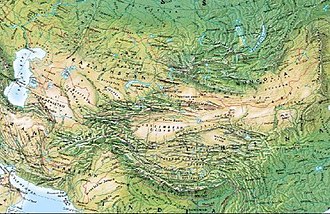
Physical map of Central Asia from the Caucasus in the northwest, to Mongolia in the northeast.
🗣️ Language And Culture
The Oghuz Turks spoke a language that formed a part of the Turkic language family. Today, languages like Turkish, Azerbaijani, and Turkmen are all related to the Oghuz language! 🗣️ Their culture was rich with traditions such as storytelling, music, and poetry. One famous epic poem from the Oghuz Turks is called "Dede Korkut," filled with hero tales and adventures! 🎶They also loved horseback riding and created beautiful art, showcasing their connection with nature.
Go deeper🌏 Legacy And Influence
The legacy of the Oghuz Turks can be seen in various countries today. 🌏They greatly influenced the development of many languages and cultures. Turkish, Azerbaijani, and Turkmen languages all have roots in Oghuz. Their stories and traditions continue to inspire people, and the Oghuz Turks are celebrated in folklore and history books in many nations! 📚This helps young people connect with their culture and understand their history better.
Go deeper🏔️ Origins Of The Oghuz Turks
It's believed that the Oghuz Turks originally came from the Altai Mountains, located in modern-day Mongolia! 🏔️ This area is rich in history and was home to many different tribes. Hundreds of years ago, the Oghuz Turks began moving westward across Central Asia. They settled in regions like Uzbekistan and Kazakhstan. The Oghuz Turks were skilled horse riders and hunters, using their bravery to create their own identity as they traveled! 🐎
Go deeper👪 Social Structure And Lifestyle
The Oghuz Turks lived in clans or groups where family ties were very important. 👪They were mostly nomadic, meaning they moved from place to place to find the best grazing areas for their animals. They kept sheep, horses, and camels, which were key to their lifestyle. The Oghuz Turks were known for their skilled craftsmanship, creating beautiful tents called "yurts" and colorful carpets! 🏕️ Their daily life revolved around animals, trade, and family gatherings.
Go deeper🏰 Historical Kingdoms And Empires
The Oghuz Turks played a significant role in the formation of some ancient empires! 🏰One important empire they contributed to is the Seljuk Empire, which was located in parts of present-day Iran and Turkey. The Seljuks used their military skills to expand their territory in the 11th century. Later, they helped establish the Ottoman Empire, which ruled a large area for centuries! 🌟These empires had a big influence on the cultures, architecture, and languages throughout their regions.
Go deeper🌌 Religious Beliefs And Practices
The Oghuz Turks originally practiced a form of shamanism, connecting with nature and spirits. 🌌However, later on, many converted to Islam, a religion that teaches kindness and community. The Oghuz Turks used to participate in ceremonies to honor their ancestors and celebrate important events. Mosques became important places where they gathered for prayer and community activities. Today, you can still see many mosques inspired by their beliefs in countries like Turkey! 🕌
Go deeper🤝 Interactions With Other Cultures
As the Oghuz Turks traveled, they met many different cultures! 🤝When they settled in new lands, they shared their language, customs, and crafts while learning new things from others. For example, in Anatolia, they interacted with the local people, resulting in a blend of traditions. They also helped spread Islam, introducing it to many regions. This exchange of ideas made their culture even more diverse and rich!
Go deeper🌐 Migration And Settlement Patterns
As the Oghuz Turks moved west, they split into several tribes. These tribes included the Gokturks and the Oghuz Yabgu State. 🌐Their journeys led them through areas such as Iran and into Anatolia (modern-day Turkey) between the 10th and 11th centuries. Many Oghuz Turks settled along the Silk Road, which was a major trade route! 🛣️ Here, they exchanged goods like silk and spices with other cultures, promoting connection and diversity.
Go deeper🎉 Oghuz Turks In Contemporary Society
In our modern world, the spirit of the Oghuz Turks can be found in various aspects of society. 🎉Festivals showcasing Oghuz culture, music, and crafts occur yearly. Universities offer courses on Turkic languages and history, inspiring young learners! 🌈People from Oghuz descent also contribute to arts, sports, and politics, keeping their traditions alive and relevant. This shows that the Oghuz Turks are still an important part of today’s world!
Go deeper👥 Modern Descendants Of The Oghuz Turks
Today, many people in Turkey, Azerbaijan, and Turkmenistan trace their roots back to the Oghuz Turks. 👥They celebrate their rich history through festivals, music, and storytelling. Many modern groups also work to preserve Oghuz traditions and languages. For instance, the Turkish people often share tales from their Oghuz ancestors, keeping their heritage alive for future generations! 🌟
Go deeper