Night Blindness Facts For Kids
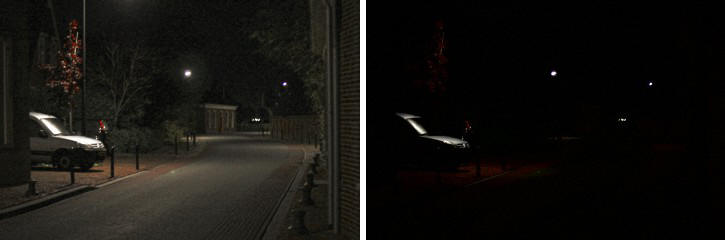
Night blindness (nyctalopia) is a condition that makes it difficult for people to see in low light or darkness, often linked to underlying health issues or genetic disorders.
Select reading age
Night Blindness Facts For Kids
Videos & Quizzesincluded
About this topic
Night blindness, or nyctalopia, is a curious condition that makes it hard for people to see well when it’s dark or in low light, like during the evening 🌙. Imagine trying to find your toys in a dimly lit room! This condition isn’t about total blindness; it just makes seeing in the dark tricky. Night blindness can affect anyone, but it often starts in childhood or around teenage years. It’s important to understand this condition so we can help those who experience it. Let's explore together how night blindness works and what we can do about it! 👀✨
Explore with ChatDinoKey Points
Good news!
There are steps everyone can take to help keep our eyes healthy and maybe prevent night blindness!
Having night blindness can make everyday activities tricky, especially at night 💤.
Night blindness isn’t the only eye condition; there are others to know about too!
People with night blindness may find it hard to see things clearly when it’s dark ⚡.
There are some myths about night blindness!
Night blindness is when someone has trouble seeing in low light 🤔.
There are different reasons why someone might have night blindness.
Scientists and researchers are always learning more about night blindness!
🥕 Treatment Options
Good news! There are treatment options for night blindness! If it’s caused by a vitamin A deficiency, eating more foods rich in vitamin A, like carrots or sweet potatoes, can help 🥕. For other causes, eye doctors may suggest special glasses to improve vision at night or give medications if needed. Sometimes, treating the underlying health issue can also help. It’s essential to visit an eye doctor for a proper check-up to find the best way to help. Remember, with the right help, kids can see much better! 🔭
Go deeper🌈 Preventive Measures
There are steps everyone can take to help keep our eyes healthy and maybe prevent night blindness! Eating a balanced diet with colorful fruits and veggies 🌈 is an excellent start. Foods rich in vitamin A, like carrots and leafy greens, are super helpful! Also, remember to protect your eyes from too much sunlight by wearing sunglasses 🕶️. Finally, getting regular eye check-ups can help catch any problems early. By taking care of our eyes, we can all enjoy seeing clearly, both in the bright sun and the cozy night! 🌙
Go deeper💤 Impact On Daily Life
Having night blindness can make everyday activities tricky, especially at night 💤. Crossing the street, playing outside in the dark, or even finding your favorite snack in the kitchen can be tough! Children with night blindness might prefer staying indoors when it’s dark or may need help from family and friends. This condition can make kids feel embarrassed or anxious, but it’s important to remember that they can still have fun and enjoy life. With support and understanding from friends, everyone can shine bright! 🌟
Go deeper🍏 Related Eye Conditions
Night blindness isn’t the only eye condition; there are others to know about too! For example, color blindness makes it hard to see certain colors, like red or green 🍏🍅. Another condition is dry eye syndrome, where the eyes don’t make enough tears, making them feel gritty or itchy. Glaucoma is a condition that can affect vision too, often causing a loss of sight if left untreated 👁️. By understanding these conditions, we can learn how to support ourselves and our friends who might be experiencing any of these challenges!
Go deeper⚡ Symptoms And Diagnosis
People with night blindness may find it hard to see things clearly when it’s dark ⚡. They might trip or bump into objects, and this can be very frustrating. To diagnose night blindness, a doctor can do tests to see how well the eyes are working in low light. They may also ask questions about your diet and health history. If someone has trouble adjusting from bright to dim light, it could mean they have night blindness 🔍. Doctors are like detectives trying to find clues to help improve our eyesight!
Go deeper😢 Myths And Misconceptions
There are some myths about night blindness! One common myth is that it's just being afraid of the dark. While many kids might feel scared sometimes, night blindness is a real eye condition 😢. Another myth is that it only happens to older people. Actually, many kids can experience it too! Some people think wearing glasses can make night blindness go away. While glasses can help with regular vision problems, they don’t fix night blindness. Learning the truth about night blindness helps us better understand and help those affected!
Go deeper🤔 What Is Night Blindness?
Night blindness is when someone has trouble seeing in low light 🤔. This can happen when there isn’t enough sunlight or artificial light around. The eye has special cells called rods that help us see in the dark. If the rods aren’t working properly, a person may not see clearly. People may feel scared or bump into things because they can’t see well at night 🌌. Night blindness can happen due to many reasons. Learning about it helps us support friends or family who might have this condition.
Go deeper🌽 Causes Of Night Blindness
There are different reasons why someone might have night blindness. One common cause is a lack of vitamin A, which is important for our eyes 🌽. Foods like carrots and spinach can help our eyes stay healthy! Another cause could be the eye condition called retinitis pigmentosa, where cells in the eye don’t work well together. Some people may have night blindness due to other health issues like diabetes or certain medications 💊. It’s like a puzzle, where different pieces can lead to trouble seeing at night!
Go deeper🔬 Research And Future Directions
Scientists and researchers are always learning more about night blindness! They study ways to help people see better at night and what causes different types of night blindness 🔬. One exciting area of research is looking into new treatments that target specific eye conditions like retinitis pigmentosa. Technology is also changing! Special glasses or contact lenses are being made to help those with night blindness see better in the dark. As we learn more, the future looks bright for finding new ways to help everyone enjoy seeing at night! 🌟
Go deeper