Newsweek Facts For Kids
Newsweek is an American weekly news magazine that provides in-depth articles on politics, culture, science, and world events, available in both print and digital formats.
Select reading age

Newsweek Facts For Kids
Videos & Quizzesincluded
About this topic
Newsweek is a popular American weekly news magazine! 📰It started in 1933 and has been sharing important stories ever since. Based in New York City, Newsweek covers national and international news, culture, science, and more. The magazine's name means "news of the week," and it’s filled with exciting articles that keep readers informed. Kids can learn about world events, what’s happening in politics, and cool stories about people and places! 📚With colorful pictures and interesting facts, it’s a fun way for young readers to discover what's going on in the world around them.
Explore with ChatDinoKey Points
Newsweek was founded by a team that included a man named Edwin A.
Newsweek changed the face of journalism by proving that magazines can inform and entertain!
Newsweek has featured many incredible cover stories!
As technology changed, Newsweek transformed too!
Over its long journey, Newsweek has received many awards!
Inside Newsweek, readers find exciting sections!
Like many big magazines, Newsweek has faced controversies!
Newsweek has a unique way of sharing news!
Newsweek has many competitors, like Time and The Atlantic!
Photos of Newsweek

Cover of News-Week's first issue from February 17, 1933

Cover of the issue from January 16, 1939, featuring Felix Frankfurter

Cover of the "Armed Forces Overseas Edition" from May 8, 1944

A story from March 1, 1976, about SLA members Bill and Emily Harris
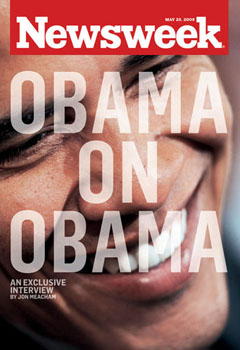
Cover of the issue from May 24, 2009, the magazine's first after switching to an opinion and commentary format


Newsweek's final print issue, released on December 31, 2012

The controversial Newsweek cover from November 23, 2009, featuring Sarah Palin
🚀 History Of Newsweek
Newsweek was founded by a team that included a man named Edwin A. Brown. He wanted to create a magazine that would share weekly news with everyone! 🚀The first issue came out on February 17, 1933, during the Great Depression. At that time, people were eager for news and updates. Over the years, Newsweek faced challenges, like competition with TV news and the internet. Yet, it adapted by changing its format and content to keep readers interested. By 2013, it moved from print to digital, making it accessible on computers and tablets! 💻
Go deeper📰 Impact On Journalism
Newsweek changed the face of journalism by proving that magazines can inform and entertain! 📰It blended news with personal stories, appealing to a broader audience. Many magazines were born because of its success! It encouraged reporters to dig deep into stories, ask tough questions, and find the truth. Because of that, people started to trust journalists more! Newsweek's style inspired many other media outlets to follow suit, leading to a greater respect for journalism in the world! 🌍
Go deeper🌎 Notable Cover Stories
Newsweek has featured many incredible cover stories! 🌎Some famous topics include important historical events like the moon landing in 1969 and the tragic 9/11 attacks in 2001. Other covers highlighted influential people like Martin Luther King Jr. and Barack Obama. These stories often spark curiosity and encourage readers to learn more about history and society. Each cover is designed to grab attention with bright colors and bold headlines, making every issue a visual treat! 🎨
Go deeper💻 Digital Transformation
As technology changed, Newsweek transformed too! 💻It adapted to the digital age by launching its website and mobile app, making it easier for people to read on the go. Readers can now access articles, videos, and podcasts anytime! 🎧This shift helped the magazine reach more readers, including kids! With just a click, young readers can explore interactive features and comment on what they read. Newsweek also uses social media to share updates and engage with its audience, staying relatable to everyone!
Go deeper🏆 Awards And Recognitions
Over its long journey, Newsweek has received many awards! 🏆The magazine won countless accolades for its writing, design, and photojournalism. It was honored with the National Magazine Award from the American Society of Magazine Editors multiple times! 🌟Such awards recognize excellence in journalism and celebrate the hard work of writers, editors, and photographers who create compelling stories. These accomplishments make Newsweek a respected publication in the industry and encourage young journalists to pursue their dreams!
Go deeper💡 Key Features And Sections
Inside Newsweek, readers find exciting sections! 💡One key section covers world news, while another focuses on politics. There is also a science and technology section that features fun innovations like robots! 🤖Additionally, the magazine includes a "Culture" section, showcasing art, music, movies, and books young readers might enjoy. Many readers look forward to the opinion pieces that express different viewpoints. Each week, readers can also find quizzes, infographics, and even reader letters!
Go deeper🛑 Controversies And Challenges
Like many big magazines, Newsweek has faced controversies! 🛑Some articles sparked debates due to differing opinions or how stories were presented. In the 2000s, it faced challenges with accuracy, which made people question its trustworthiness. However, Newsweek encouraged open conversations and learned from mistakes. It worked hard to improve and win back reader trust! The magazine teaches valuable lessons about responsibility in reporting and how important it is to be fair and accurate.
Go deeper🗣️ Editorial Voice And Perspective
Newsweek has a unique way of sharing news! 🗣️ It aims to be informative, engaging, and share different opinions on topics. The writers are encouraged to use facts to explain complex issues simply, making it easy for everyone to understand—adults and kids alike! Newsweek takes its roles seriously by trying to present balanced views, which means looking at all sides of a story. They often include expert opinions, interviews, and data to help readers form their own ideas. 📖
Go deeper📖 Comparative Analysis With Competitors
Newsweek has many competitors, like Time and The Atlantic! 📖Each magazine has its unique style. For example, Time is known for its powerful images and cover stories, while The Atlantic focuses on culture and society. Newsweek sets itself apart by offering diverse topics, blending news with personal stories and colorful designs. While they all cover news, Newsweek targets a broad audience with entertaining content loved by kids and adults. This friendly competition motivates each magazine to continually improve and innovate! 🔍
Go deeper