Myron Facts For Kids
Myron of Eleutherae was an Athenian sculptor from the mid-5th century BC, renowned for his lifelike and dynamic sculptures, notably 'Discobolus.'
Select reading age

Myron Facts For Kids
Videos & Quizzesincluded
About this topic
Myron of Eleutherae was an incredible sculptor from ancient Greece! 🇬🇷 He lived around the mid-5th century BC, which means he made amazing statues over 2,400 years ago! Myron is best known for his detailed sculptures of athletes, like the famous "Discobolus" or the Discus Thrower. He created art that captured movement and athleticism, making people feel like the statues were alive! 🏆Myron's work inspires many artists even today. His sculptures were famous in Athens, and they showed how skilled he was in making things look realistic and full of energy! 🌟
Explore with ChatDinoKey Points
One of Myron's most famous sculptures is called the "Discobolus" or "The Discus Thrower."
Myron was born in Eleutherae, a small town near Athens, Greece.
Myron was a true innovator in sculpture during ancient Greece!
Myron primarily worked with bronze, which was a popular material for sculptors in ancient Greece.
Myron's influence on classical art is huge!
Myron had several contemporaries, including talented artists like Pheidias and Polykleitos.
People in ancient Athens greatly admired Myron's work!
Myron’s legacy lives on in modern art and sculpture!
Myron believed art should imitate nature!
Photos of Myron
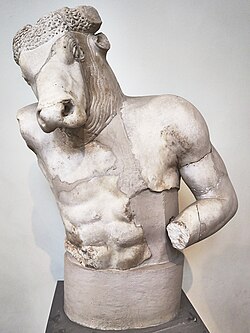
Myron — photo 1


Myron — photo 3

🥇 Major Works
One of Myron's most famous sculptures is called the "Discobolus" or "The Discus Thrower." 🥇 This statue shows an athlete in the act of throwing a discus and captures the energy of the moment! Another notable work is "The Cow," which shows a beautiful heifer. 🐄Myron also created many other sculptures like athletes, wrestlers, and beautiful figures that represented strength and beauty. Sadly, most of his original pieces haven’t survived, but we have many copies and descriptions that reveal how great his art was. Myron's sculptures are still famous and admired today! 🌍
Go deeper🏛️ Life And Background
Myron was born in Eleutherae, a small town near Athens, Greece. 🏛️ He lived during a time when the Olympics were very popular! He likely learned his craft in Athens, which was a bustling city full of artists and thinkers. Myron was influenced by earlier artists and also inspired many others. He worked in bronze, and his sculptures were made to honor the athletes who competed in games. Myron's work didn’t just show beauty but also celebrated strength and skill! 💪Although we don't know much about his early life, his sculptures tell us he was a master of his craft.
Go deeper🎨 Innovations In Sculpture
Myron was a true innovator in sculpture during ancient Greece! 🎨He introduced a new way to show movement in his art. Unlike many earlier artists, he focused on creating a sense of action, which made his statues look like they were about to spring to life! ⚡He also cleverly used proportions to create more realistic figures. Myron was one of the first to show human emotions and physical tension, making his works feel dynamic and exciting! 🎉His focus on naturalism helped set the stage for later artists, who admired his techniques and ideas.
Go deeper🛠️ Techniques And Materials
Myron primarily worked with bronze, which was a popular material for sculptors in ancient Greece. 🛠️ He mastered a technique called "lost-wax casting," where a sculptor makes a wax model, covers it in clay, then melts away the wax to create a mold for bronze. 🔥This allowed him to create detailed and smooth surfaces. Myron also paid great attention to proportions and how bodies moved, making his sculptures lifelike. He would observe athletes in action and translate that into his work! 📏His ability to express human form and movement made his art truly special.
Go deeper🎙️ Influence On Classical Art
Myron's influence on classical art is huge! 🎙️ His style didn't just sway artists of his time but left a lasting impact on generations to come. The way he portrayed athletes and movement laid the groundwork for many sculptors. 🤸♂️ Later artists like Polykleitos were inspired by Myron's techniques. They often looked to his work for examples of balance, grace, and beauty. This influence can even be seen in the Renaissance period! 🏛️ Myron's approach showed how art could reflect the human experience, and his legacy continues to shape sculpture today!
Go deeper🎭 Comparison With Contemporaries
Myron had several contemporaries, including talented artists like Pheidias and Polykleitos. 🎭While Pheidias created massive sculptures like the statue of Athena in the Parthenon, Myron focused on athletic figures. Myron’s work emphasized human movement, while Polykleitos sought perfect proportions in his sculptures. ⚖️ They each had unique styles, but what united them was their innovative spirit! 🤝Myron’s sculptures set him apart through dynamic poses and lifelike features. Today, art enthusiasts and scholars often study their works together to understand classical art better and how these artists shaped the world of sculpture.
Go deeper🌟 Public Reception In Ancient Athens
People in ancient Athens greatly admired Myron's work! 🌟His sculptures were considered a symbol of talent and creativity. Athletes, citizens, and visitors would visit to marvel at his lifelike statues. 🏅Some people even believed his sculptures could inspire athletes to perform better! Myron's creations were shown at festivals and esteemed gatherings, showcasing Athenians' love for art and athleticism. 🎉His popularity made him one of the leading sculptors of his time, contributing to a colorful artistic culture that still influences us today! Myron's impressive works still are celebrated and appreciated around the world! 🌍
Go deeper🖼️ Legacy And Impact On Future Sculptors
Myron’s legacy lives on in modern art and sculpture! 🖼️ His innovative approach to movement, realism, and emotion in art influenced many future artists. Sculptors like Michelangelo and Donatello were inspired by his techniques, aiming to capture the same vitality in their own works. 🥳Even today, Myron’s sculptures are studied in art classes, teaching young artists the importance of observation in creating realistic art! 📚His dedication to portraying human efforts and emotions continues to inspire people, showing that art can convey stories and feelings that transcend time. 🌈Myron's work is truly timeless!
Go deeper🌳 Myron's Philosophical Approach To Art
Myron believed art should imitate nature! 🌳He wanted to create works that showed real-life moments, especially in athletic activities. Myron thought art was important because it celebrated human strength and beauty. 🎖️ He aimed for his sculptures to connect with people emotionally by capturing the excitement of sports and human form. This idea of representing nature influenced many artists after him. It taught them to observe the world around them and represent it in their art. Myron's artistic philosophy encouraged a love of realism and artistry that still resonates in today’s culture! 🌏
Go deeper