Muskrat Facts For Kids
Muskrats are medium-sized semi-aquatic mammals known for their long tails, webbed hind feet, and adaptability to wetland habitats.
Select reading age

Muskrat Facts For Kids
Videos & Quizzesincluded
About this topic
The muskrat is a small mammal found in North America. 🦫They are known for their long, hairy tails and webbed feet. Muskrats live in wetlands, ponds, and marshes, using their strong front teeth to dig tunnels and build homes. They can weigh between 1.5 to 4 pounds (0.7 to 1.8 kg) and grow up to 2 feet (60 cm) long, including their tails! 🐾Muskrats are great swimmers and can hold their breath underwater for up to 15 minutes. They play a crucial role in the ecosystem by helping to maintain healthy wetland habitats.
Explore with ChatDinoKey Points
Muskrats are not currently endangered!
Muskrats play an important role in maintaining healthy ecosystems!
Muskrats have been significant in various cultures.
Muskrats are herbivores, which means they eat plants!
Muskrats are mostly found in North America, especially in Canada and the United States.
Muskrats have thick, waterproof fur that keeps them warm in cold water.
Muskrats are known to breed in the spring and summer months.
Muskrats are usually social animals.
Photos of Muskrat


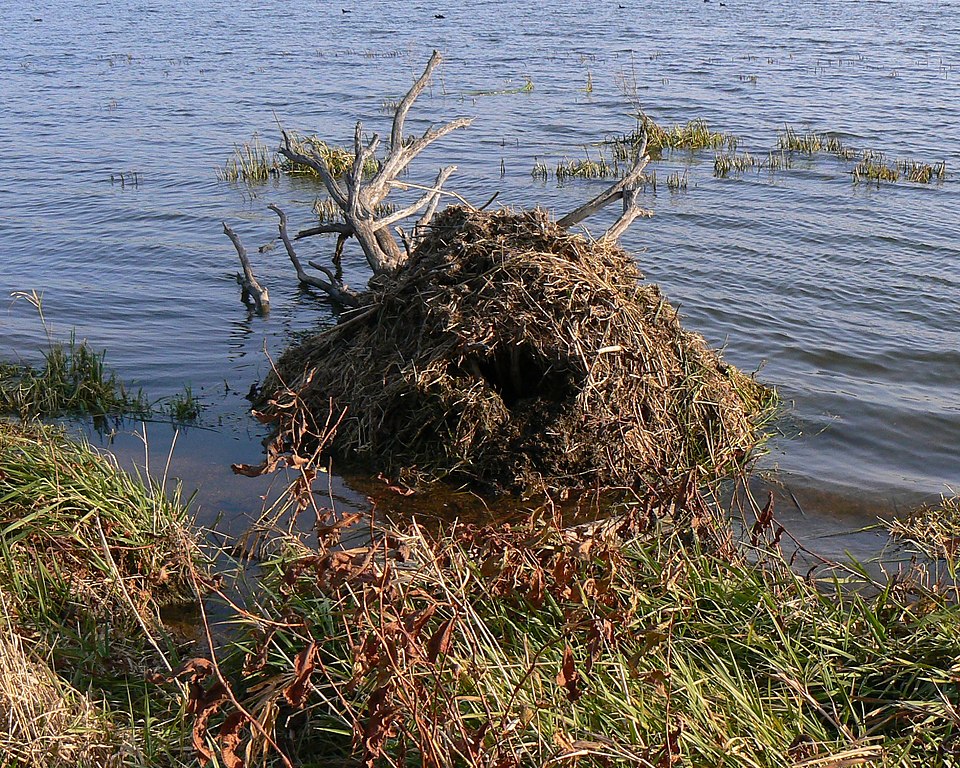
A muskrat house

Distribution of subspecies in North America. O.z.zibethicus O.z.albus O.z.aquilonius O.z.bernardi O.z.cinnamominus O.z.goldmani O.z.macrodon O.z.mergens O.z.obscurus O.z.occipitalis O.z.osoyoosensis O.z.pallidus O.z.ripensis O.z.rivalicus O.z.spatulatus O.z.zalophus

A muskrat eating a plant, showing the long claws used for digging burrows

Muskrat — photo 6

Muskrat — photo 7
🎉 Conservation Status
Muskrats are not currently endangered! 🎉Their populations are stable in many regions, but some areas may see a decline due to habitat loss or pollution. It is important to protect wetlands to ensure muskrats and other wildlife can thrive. Organizations and local governments work together to preserve these habitats for future generations. Keeping our environment clean and healthy helps muskrats and countless other animals. 🌍
Go deeper🌱 Environmental Impact
Muskrats play an important role in maintaining healthy ecosystems! 🌱When they munch on aquatic plants, they help control plant growth, preventing overgrowth in wetlands. Their burrowing habits create tunnels that help water flow through habitats. When muskrats die, their decomposing bodies provide nutrients for other animals and plants. By keeping wetlands clean and healthy, muskrats help support other wildlife, like birds and frogs! 🐦
Go deeper🐾 Cultural Significance
Muskrats have been significant in various cultures. 🐾Native American tribes, such as the Ojibwe and Cree, have used muskrat fur for clothing and craft items. In addition, muskrats appear in folklore and stories, reflecting their importance in nature. They also play a role in fur trading, with their pelts being highly valued. 🎨Today, people enjoy waterside activities like watching muskrats and learning about their role in the environment!
Go deeper🌿 Diet And Feeding Habits
Muskrats are herbivores, which means they eat plants! 🌿Their favorite snacks include cattails, pondweeds, and algae. Muskrats use their strong teeth to chew on tough aquatic plants. They also occasionally eat small fish, frogs, and insects. Muskrats are known to store food in their lodges to eat during winter months when fresh plants are hard to find. They can swim underwater to gather food and surface to munch on it. 🍃
Go deeper🌎 Habitat And Distribution
Muskrats are mostly found in North America, especially in Canada and the United States. 🌎They love wet areas like rivers, lakes, and ponds where they can build cozy homes called "lodges." These lodges are made of mud and plant material. Muskrats live in almost every state in the U.S. and are often spotted in the Great Lakes area. They can also be found in parts of Europe and Asia, where they were introduced. Wetlands are essential for their survival as they provide food and shelter. 🏞️
Go deeper🐻 Physical Characteristics
Muskrats have thick, waterproof fur that keeps them warm in cold water. 🐻Their bodies are elongated, and they have large, flat tails that help them swim. A muskrat’s feet are webbed, making them excellent swimmers! Their front teeth are sharp and grow continuously, allowing them to munch on plants without wearing them down. Muskrats have small, pointed faces and tiny ears, giving them a cute appearance. Color-wise, their fur varies from dark brown to light brown, with a lighter belly. 🐾
Go deeper🐾 Reproduction And Lifespan
Muskrats are known to breed in the spring and summer months. 🐾A female muskrat can have up to 8 babies in a litter, and she can have multiple litters each year! Baby muskrats are called "kits" and are born in cozy nests in the lodge. They grow quickly and learn to swim and dive within a few weeks. 🍼Muskrats typically live about 3 to 4 years in the wild, but some can live longer in safe environments.
Go deeper🤝 Behavior And Social Structure
Muskrats are usually social animals. They can be found living alone or in small family groups. 🤝They are very territorial and will defend their habitat from other muskrats. Muskrats are most active during dusk and dawn when they hunt for food. They communicate through squeaks and whistles to alert each other. These little creatures are also great builders; they create tunnels to travel between their homes and food sources safely. 🏡
Go deeper