Muhammad Abduh Facts For Kids
Muhammad Abduh was an influential Egyptian Islamic scholar, judge, and Grand Mufti who sought to modernize Islamic teachings while emphasizing education and rational thought.
Select reading age

Muhammad Abduh Facts For Kids
Videos & Quizzesincluded
About this topic
Muhammad Abduh (Muḥammad ʿAbduh) was a famous Egyptian thinker and scholar born on April 14, 1849, in a small village called Mahalla. 🌍He became the Grand Mufti of Egypt, which means he was an important religious leader who answered questions about Islam. Abduh wanted to mix traditional Islamic teachings with modern ideas. He believed in education and wanted everyone to have a chance to learn. 📚He made big changes in his country and still inspires people today!
Explore with ChatDinoKey Points
As a boy, Muhammad Abduh loved to learn!
Muhammad Abduh’s impact on Islam and education is still felt today!
Not everyone agreed with Muhammad Abduh's ideas.
Muhammad Abduh returned to Al-Azhar University as a teacher and later became its leader!
Abduh traveled to Europe in the late 1800s and saw many new ideas.
Muhammad Abduh was a pioneer of modern thinking in Islam!
Muhammad Abduh wrote many important books and articles!
During Muhammad Abduh’s time, Egypt was facing many challenges.
Muhammad Abduh was a reformer!
Abduh made significant contributions to Islamic jurisprudence, which is about understanding and applying Islamic law!
Photos of Muhammad Abduh

An early photo of Muḥammad ʿAbduh

Muḥammad ʿAbduh's meeting with members of the executive committee of Tunisian educational institute Khaldounia in 1903
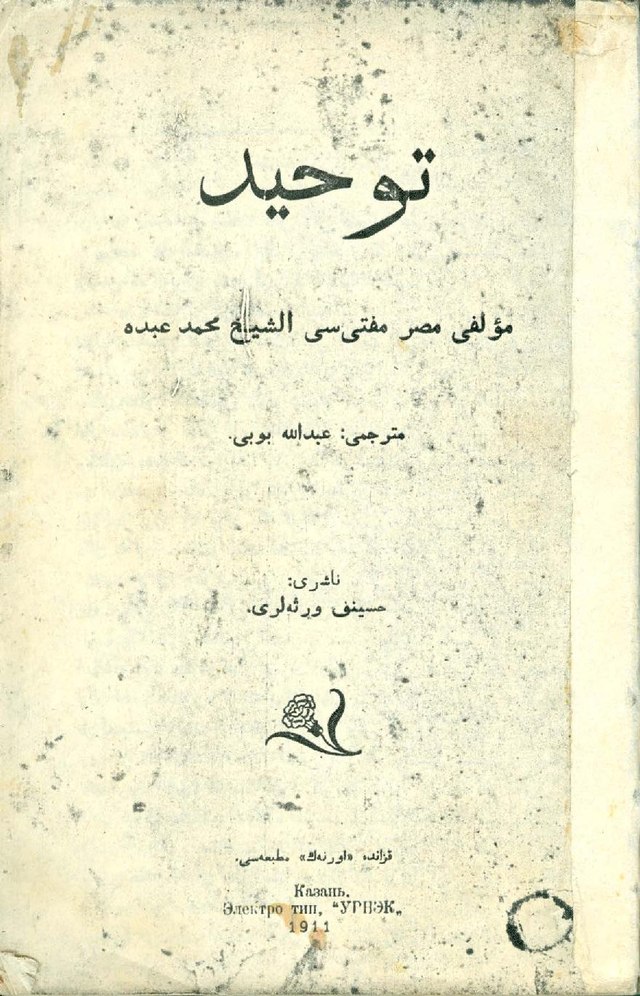
Work of Muḥammad ʿAbduh, translated in Old Tatar language and published in Kazan in 1911

Muḥammad ʿAbduh during his last days

Tewfik Pasha (1852–1892), the Ottoman Khedive of Egypt and Sudan between 1879 and 1892
🎓 Early Life And Education
As a boy, Muhammad Abduh loved to learn! 🎓He studied at Al-Azhar University in Cairo, which is one of the oldest and most important schools for Islamic education. Al-Azhar taught him about the Quran and Arabic language. 📖Abduh was curious, always asking questions, and eager to understand more about the world. After graduating, he became a teacher and shared his love of knowledge with others. He wanted to make learning fun and exciting! 🎉
Go deeper🌍 Legacy And Impact On Islam
Muhammad Abduh’s impact on Islam and education is still felt today! 🌍Many people admire his attempts to modernize Islamic thought and serve as a bridge between tradition and modern ideas. He inspired others to question their beliefs and think independently. Abduh's legacy lives on in the many scholars and leaders who continue to promote his ideas about education and reform. 📚His teachings remind us that learning and progressive thinking can help improve our world, regardless of our beliefs!
Go deeper🤔 Criticism And Controversies
Not everyone agreed with Muhammad Abduh's ideas. 🤔Some traditionalists felt he was changing too much and straying from pure Islamic teachings. They worried that his ideas would lead to misunderstandings about Islam. However, he also had supporters who believed passionately in his vision for modernizing Islamic thought. Abduh encouraged debate and discussion, which is important for growth, even when people disagreed! 🌟His work sparked conversations about traditions and modernity that continue today.
Go deeper🎓 Role In Al-azhar University
Muhammad Abduh returned to Al-Azhar University as a teacher and later became its leader! 🎓Under his guidance, the school became a center for modern thought. He encouraged students to study new subjects like science, math, and languages, alongside traditional Islamic teachings. 📘He wanted to prepare students for the challenges of the modern world. His reforms helped create a new generation of thinkers who respected Islam but also embraced new ideas. Students loved his lessons and looked up to him as a role model!
Go deeper🌏 Influence Of Western Thought
Abduh traveled to Europe in the late 1800s and saw many new ideas. 🌏He met thinkers who showed him different ways of thinking, especially about science and democracy. He believed that Muslims could use these modern ideas while still following their faith. Abduh thought that reading books from Western thinkers could help improve Islamic societies. ✨This blending of cultures made him popular in many places, and he shared these ideas with others in Egypt and beyond.
Go deeper🚀 Muhammad Abduh And Modernity
Muhammad Abduh was a pioneer of modern thinking in Islam! 🚀He believed that religion should adapt to the times while keeping its core values intact. He taught that Islam encourages reason and seeks knowledge, aligning with modern ideas. 🎓This blend inspired many Muslims to adopt modern practices and concepts while still valuing their faith. By advocating for education and critical thinking, Abduh helped pave the way for future Islamic scholars to explore the balance between tradition and modernity in their work!
Go deeper✍️ Key Writings And Publications
Muhammad Abduh wrote many important books and articles! ✍️ One of his famous works is "Al-‘Aqida al-Islamiyya," which talks about Islamic beliefs. He also wrote about education and the importance of reforming Islam in the modern world. 🎒His writings encouraged many to think critically and engage with contemporary issues. Abduh's ideas spread through his publications, reaching many people in Egypt and beyond. They still inspire discussions about religion and modernity today. 🌟
Go deeper🌟 Political Context Of His Work
During Muhammad Abduh’s time, Egypt was facing many challenges. The country was struggling with foreign influence and needed to find its identity. 🇪🇬 Abduh wanted people to unite under Islamic values while also learning from the best of Western culture. He believed Islam could be a source of strength for Egypt. By encouraging education and modern ideas, he aimed to help Egypt become a stronger and more balanced nation. His work influenced politics and inspired many leaders to seek change! 🌟
Go deeper💡 Reformist Ideas And Philosophy
Muhammad Abduh was a reformer! That means he wanted to change things for the better. 💡He believed in using reason and logic to understand Islam, rather than just following traditions blindly. He thought education was the key to progress and believed everyone should be allowed to think for themselves. 🧠Abduh's ideas encouraged people to question old beliefs and embrace new ways of thinking. He wanted to improve people's lives by integrating modern thoughts into Islamic teachings, making them relevant for his time.
Go deeper⚖️ Contributions To Islamic Jurisprudence
Abduh made significant contributions to Islamic jurisprudence, which is about understanding and applying Islamic law! ⚖️ He believed that interpretations of Islamic law should evolve with time and meet the needs of society. He emphasized the importance of reason and context in legal decisions, encouraging flexibility within the tradition. His ideas led to new discussions about rights, justice, and the role of women in society. Abduh's contributions helped many rethink how Islamic law could work in the modern world! 📜
Go deeper