Mozi Facts For Kids
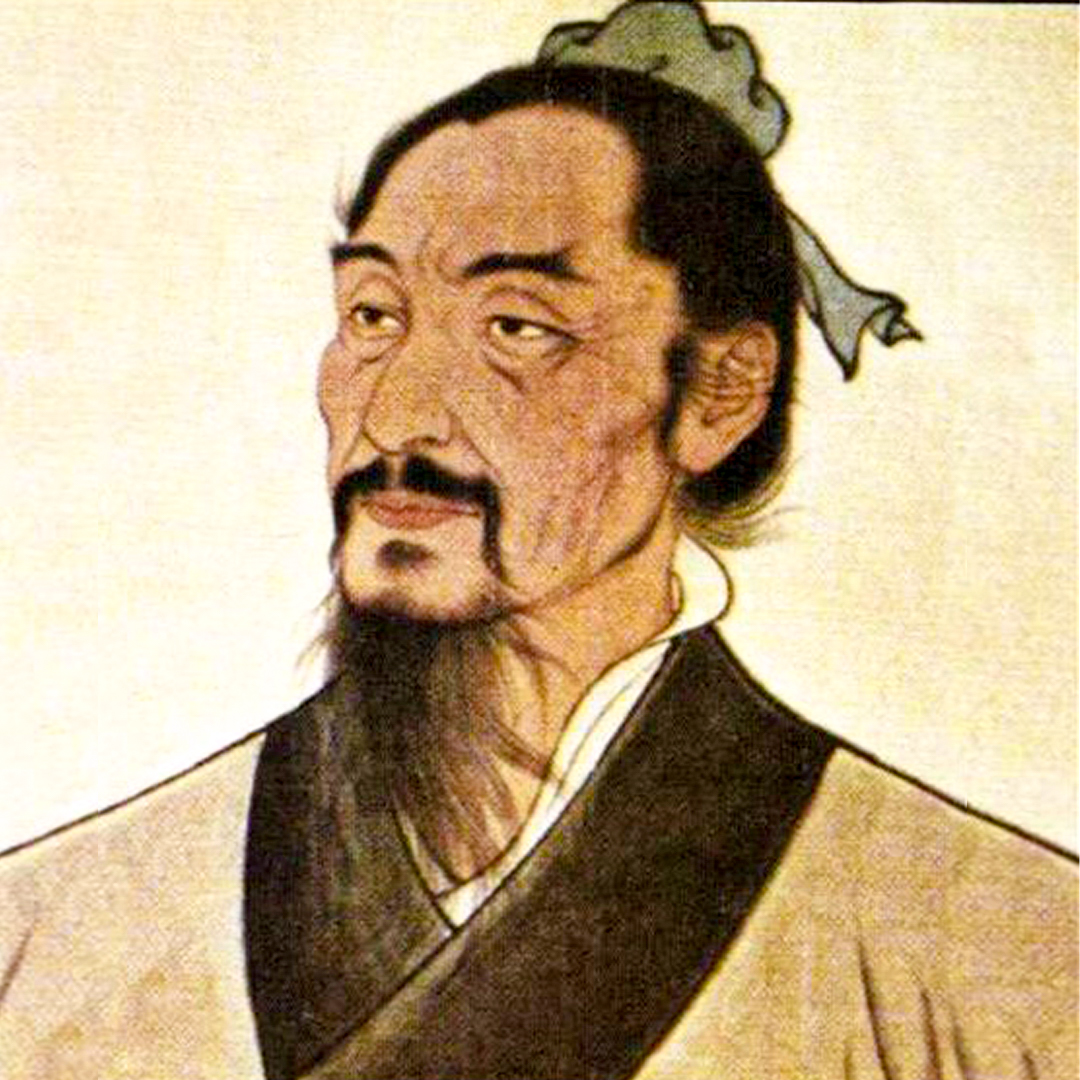
Mozi, also known as Mo Di, was a Chinese philosopher and logician during the Warring States period, who founded Mohism and emphasized universal love, rational thinking, and practicality in societal improvement.
Select reading age
Mozi Facts For Kids
Videos & Quizzesincluded
About this topic
Mozi, whose real name is Mo Di, was an important thinker from ancient China! 🌏He lived around 470-391 BCE during a time called the Warring States period, which was filled with fighting among different kingdoms. Mozi is famous for starting the Mohist school of thought, which taught ideas about love, logic, and how to create a better society. He believed people should care for everyone, not just their families. Mozi’s ideas were different and sometimes clashed with others like Confucius. He showed people a new way to think about the world and how to be kind to one another! 💖
Explore with ChatDinoKey Points
Mozi was born in the state of Lu, which is now in modern-day Shandong Province, China.
Mozi also had many ideas about how countries should be governed!
Mozi's philosophy is built on key ideas like universal love and caring for everyone equally!
Mozi disagreed with many of Confucius's ideas!
Mohism is the name of the beliefs founded by Mozi!
Mozi's ideas didn't disappear!
Mozi is remembered as a significant figure in Chinese culture!
When you compare Mozi to Confucius, a famous philosopher he often disagreed with, you'll see their beliefs were quite different!
Mozi played an essential role in Chinese philosophy and culture!
Photos of Mozi

Mozi was born in Lu (seen toward the north, with a small coastline along the Yellow Sea) and spent some time as a government minister in Song (a landlocked state to the south of Lu).

The Mohists were experts at building fortifications and siege defenses.

Confucian philosopher Mencius was one of several critics of Mozi, in part because Mozi's philosophy was believed to lack filial piety.

A page from the Mozi
🏮 Biography
Mozi was born in the state of Lu, which is now in modern-day Shandong Province, China. 🏮His early life is not very well-documented, but he is known to have worked as a carpenter and a military strategist. After witnessing violence, he decided to spread his teachings of love and peace. Mozi traveled across China, sharing his ideas about how to make the world a better place. He gathered followers and taught them logical thinking! His ideas became so important that he even created a school for his students! 📚Mozi loved to discuss and debate with others, encouraging people to think deeply!
Go deeper🏛️ Political Philosophy
Mozi also had many ideas about how countries should be governed! 🏛️ He believed that rulers should be wise and care about their people. Instead of being harsh, a good leader should be fair and listen to the voice of everyone in society. Mozi thought that governments should focus on peace and community-building rather than war and fighting. His thoughts encouraged leaders to make decisions based on what benefited everyone. He even suggested using smart strategies instead of brute force in conflicts. For Mozi, the ultimate goal of any society should be happiness and well-being for all its people! 🌟
Go deeper❤️ Philosophical Concepts
Mozi's philosophy is built on key ideas like universal love and caring for everyone equally! ❤️ He believed that everyone deserves kindness, not just friends and family. Mozi also valued logic, which means using reasons to understand things better. He thought people should use their minds to solve problems instead of just following tradition. His teachings encouraged people to ask questions, think critically, and understand different perspectives. Mozi’s ideas were very important during his time and could still be useful today. By helping others equally, we can have a happier world! 🌈
Go deeper🤔 Critique Of Confucianism
Mozi disagreed with many of Confucius's ideas! 🤔While Confucius believed in respecting family traditions and focusing on familial loyalty, Mozi argued that love should be for all people, not just family. He critiqued Confucianism for being too focused on rituals and ceremonies. Mozi thought these rituals wasted time and resources when people could be helping those in need! 🕊️ He also believed that Confucian scholars should work in practical ways to help society instead of just studying ancient texts. This difference in belief led to debates between the two philosophies, shaping the future of Chinese thought! 📖
Go deeper📜 Mohism And Its Principles
Mohism is the name of the beliefs founded by Mozi! 📜The main principles include "Universal Love" and "Merit over Birth," which means that caring for everyone equally is essential, and people should earn their roles based on their abilities rather than their family's wealth. Mozi also taught the importance of hard work and put great value on practical skills. He believed that society should be organized efficiently, just like the parts of a machine! ⚙️ Mohism also focused on not wasting resources, urging people to use materials wisely. This way, everyone could live better lives and help each other! 🌍
Go deeper🧠 Influence On Later Thought
Mozi's ideas didn't disappear! They influenced many other philosophers and thinkers, both during his life and after. 🧠His teachings on logic and reasoning inspired scholars in ancient China, as they began to question traditional beliefs. Later philosophers interested in utilitarianism, or the greatest happiness for the greatest number of people, found Mozi's concepts very interesting! 🌈Even today, people look back at his ideas on universal love and practical ethics to create a fair society. Mozi challenged others to build a world where caring for each other was a priority, shaping how we think about compassion! 💖
Go deeper✊ Legacy And Historical Impact
Mozi is remembered as a significant figure in Chinese culture! ✊Though his school of thought declined after the Qin Dynasty, his lessons still inspire many. Modern thinkers and philosophers look at his ideas about ethics, social justice, and community care. In some ways, his concept of universal love can be compared to the ideas of nonviolence and caring for others found in multiple cultures around the world! 🌍Mozi's legacy reminds us that a better society comes from kindness and considering others, which continues to be crucial even today! 🙌
Go deeper🤔 Comparison With Other Philosophers
When you compare Mozi to Confucius, a famous philosopher he often disagreed with, you'll see their beliefs were quite different! 🤔Confucius focused on tradition, hierarchy, and family loyalty while Mozi emphasized universal love and caring for everyone equally. Both thinkers wanted a better society, but their approaches were unique. Laozi, another philosopher of that time, promoted living harmoniously with nature, while Mozi believed in action and practical solutions. ⚖️ Their different ideas help us see that many ways exist to think about life, community, and how we treat others. Each philosopher shares valuable lessons! 🌟
Go deeper📜 Cultural Significance In Ancient China
Mozi played an essential role in Chinese philosophy and culture! 🇨🇳 His ideas highlighted the importance of kindness, logic, and practical skills, inspiring many people. During the Warring States period, he offered a new perspective on how to live peacefully, which resonated with many. Even though his school declined, his thoughts contributed to the rich tapestry of Chinese philosophy. 📜Mozi helped people explore ethical questions and how to build loving communities. His emphasis on caring for everyone equally continues to inspire kindness and smart thinking, making him an important figure in the history of thought in China! 🏮
Go deeper