Mishnah Facts For Kids
The Mishnah is the first written collection of Jewish oral traditions, serving as a vital text in understanding Jewish laws and culture.
Select reading age

Mishnah Facts For Kids
Videos & Quizzesincluded
About this topic
The Mishnah is a special book in Judaism where Jewish laws and traditions are written down for the first time. 📜It was created around 200 CE by Rabbi Judah the Prince in Israel, specifically in a place called Judea. The Oral Torah tells stories and explains how to live a good Jewish life. The Mishnah collects these important teachings! It is divided into sections called "tractates," making it easier to find information. Each tractate covers different topics like farming, holidays, and family life. The Mishnah helps Jewish people understand their faith and connect with their history! ✡️
Explore with ChatDinoKey Points
In ancient times, Jewish teachings were passed down orally, meaning they were taught by word of mouth.
The Mishnah is written in a special language called Mishnaic Hebrew, which is different from the Hebrew we often see today.
The Mishnah has a significant influence on Jewish law, helping guide how Jewish people live their lives today!
The Mishnah covers a variety of themes that are essential to understanding Jewish life and law.
Over the years, many smart people have written commentaries on the Mishnah to help explain its teachings.
The Mishnah has a unique structure that makes it organized and easy to navigate.
While the Mishnah contains written laws and traditions, the Talmud is a larger work that discusses and explains the Mishnah in greater detail.
The six main sections or Orders of the Mishnah are: Zeraim (Seeds), Moed (Festivals), Nashim (Women), Nezikin (Damages), Kodashim (Holy Things), and Taharot (Purities).
Today, the Mishnah is still very important!
Photos of Mishnah
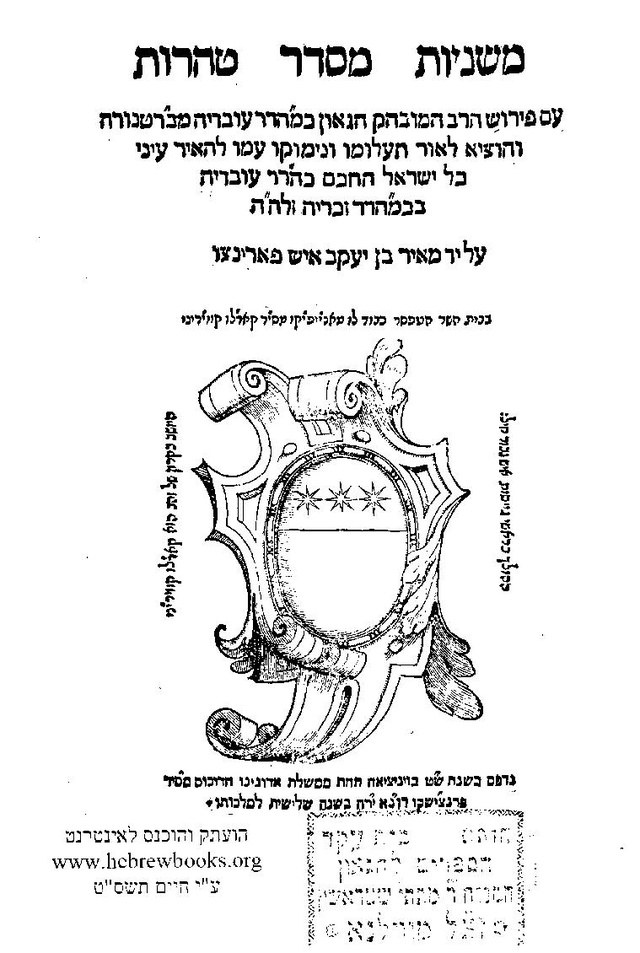
Bartenura Mishna commentary

Mishna study, Pinsk 1924
![11th century mishnah codex, Biblioteca Palatina, Parma[23]](https://upload.wikimedia.org/wikipedia/commons/thumb/2/23/Mishnah_%28Ms._3173%3B_De_Rossi_138%29%2C_Palatina.jpg/960px-Mishnah_%28Ms._3173%3B_De_Rossi_138%29%2C_Palatina.jpg)
11th century mishnah codex, Biblioteca Palatina, Parma[23]
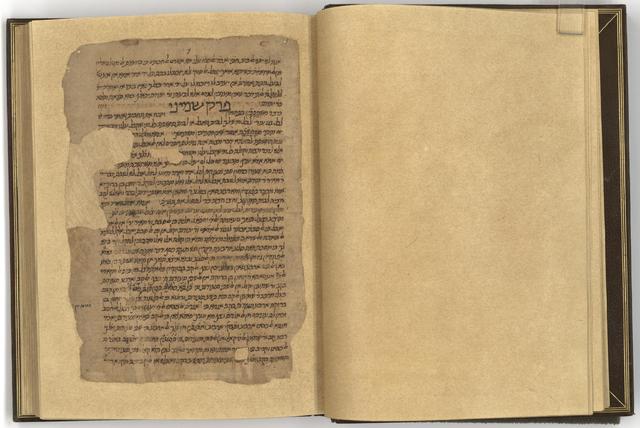
Maimonides' Mishnah commentary in Judeo-Arabic

Title page of the Mishna with the Tosefet Yom Tov

Gemara students using the Mishnah Sdura to note their summary of each sugya alongside its Mishnah
😟 Historical Context
In ancient times, Jewish teachings were passed down orally, meaning they were taught by word of mouth. This worked for a long time! However, some teachings began to be forgotten. 😟Rabbi Judah the Prince saw this and decided to write them down in the Mishnah. This important work was completed in the early 3rd century CE, around the time when the Roman Empire was strong in Israel. The Mishnah has since become a crucial part of Jewish culture because it preserves ancient wisdom. 🏛️ Today, it is studied in schools all around the world!
Go deeper🗨️ Language And Style
The Mishnah is written in a special language called Mishnaic Hebrew, which is different from the Hebrew we often see today. 🗨️ The language is simpler and includes short sentences. This makes it easier for people to remember the teachings. The style of the Mishnah is very direct and straightforward, focusing on clear rules and explanations. 📋Additionally, the Mishnah often uses a question-and-answer format to engage readers. This unique style helps people learn by discussing important topics with their friends and family as they study together!
Go deeper🔍 Influence On Jewish Law
The Mishnah has a significant influence on Jewish law, helping guide how Jewish people live their lives today! 🔍It serves as the foundation for many Jewish legal discussions and decisions. Rabbinic leaders study the Mishnah to understand the laws and apply them to everyday situations. Over time, the teachings from the Mishnah have turned into Jewish law known as Halakha. This helps Jewish people know what is right and how they should act within their communities and homes. The Mishnah reminds everyone of the importance of following traditions!
Go deeper👪 Key Themes And Concepts
The Mishnah covers a variety of themes that are essential to understanding Jewish life and law. One major theme is the importance of community and family. 👪It teaches values like kindness, respect, and helping one another. Another key concept is how to celebrate Jewish holidays, which are built on traditions passed down through generations. 🌟The Mishnah also emphasizes the significance of learning and studying the Torah. By reading and discussing its teachings, Jewish people strengthen their connection to God and each other.
Go deeper🕍 Significant Commentaries
Over the years, many smart people have written commentaries on the Mishnah to help explain its teachings. One famous commentary was written by Rabbi Ovadiah of Bertinoro in the 15th century! 🕍His work helped many understand the Mishnah better, providing examples and insights. Other important commentaries include those by Rabbi Moshe ben Maimon, known as Maimonides, and Rabbi Akiva Eiger. 📜These scholars have encouraged learning and understanding of the Mishnah, allowing Jewish people to connect with their heritage and deepen their faith.
Go deeper📚 Structure Of The Mishnah
The Mishnah has a unique structure that makes it organized and easy to navigate. 📚It consists of six main sections, known as "Orders" or "Sedarim." Each Order includes different topics, called "tractates." Each tractate contains multiple chapters, and each chapter has various teachings. There are a total of 63 tractates in the Mishnah! This system allows readers to learn about many aspects of Jewish life, like laws about food or rules for prayer, in a clear way. 📖The careful organization also helps students remember important ideas about their faith!
Go deeper📖 Comparison With The Talmud
While the Mishnah contains written laws and traditions, the Talmud is a larger work that discusses and explains the Mishnah in greater detail. 📖Think of the Talmud as a "how-to" guide for understanding the Mishnah! The Talmud was developed later, around 500 CE, and includes debates, stories, and interpretations from many rabbis. It is more extensive than the Mishnah and helps to clarify complex ideas and concepts. 👨🏫 Together, these two texts are essential for studying Jewish law and traditions, guiding Jewish people in their daily lives.
Go deeper🌱 The Six Orders Of The Mishnah
The six main sections or Orders of the Mishnah are: Zeraim (Seeds), Moed (Festivals), Nashim (Women), Nezikin (Damages), Kodashim (Holy Things), and Taharot (Purities). 🌱Each Order has a different focus. For example, Zeraim talks about farming and blessings, while Moed includes rules for holidays like Passover. 🎉Nashim covers topics related to marriage and families, and Nezikin focuses on laws about damage and conflicts. Kodashim teaches about sacrifices and sacred ceremonies, while Taharot explains cleanliness in Jewish practices. These Orders help readers understand many important aspects of life!
Go deeper✨ Modern Interpretations And Applications
Today, the Mishnah is still very important! ✨Many Jewish schools, synagogues, and communities study it to understand their traditions better. People create modern interpretations that connect ancient laws with current life. 🌎For example, during discussions, students might explore how Mishnah teachings apply to technology and social media. Through this study, the Mishnah continues to shape Jewish identities and encourage people to live by their values while adapting to today’s world. 🕊️ The teachings remain alive, guiding each new generation of Jewish children and families!
Go deeper