Microchiroptera, or microbats, are a suborder of over 1,000 species of small bats that play essential roles in ecosystems as insectivores and pollinators.
Set reading age
View for Kids
Easy to read and understand
View for Students
Clear, detailed explanations
View for Scholars
Deep dives and big ideas
Microchiroptera, also known as microbats, are tiny flying mammals found all over the world! 🌍These creatures belong to the order Chiroptera, which means “hand-wing.” Microbats are incredibly important because they help control insect populations. For example, a single microbat can eat around 1,000 insects in an hour! 🦇There are about 900 species of microbats, ranging in size from the tiny bumblebee bat, which weighs as much as a dime, to bigger species. Microbats use echolocation, a special ability to find food in the dark by bouncing sound waves off objects.
Microchiroptera play a vital role in the ecosystem! 🌱By eating a huge number of insects, they help control pest populations, benefiting farmers and gardens. Their foraging helps spread seeds and pollinate some plants, which is essential for healthy ecosystems and food sources. 🦇Healthy bat populations also support other wildlife, as many animals rely on them for food. These tiny creatures contribute to the balance of nature in various ways, making them essential partners in keeping our environment healthy and thriving! 🌍
Many microbat species are threatened by habitat loss, climate change, and disease. 🦇Diseases like White-nose Syndrome have been devastating bat populations across North America. As a result, conservation efforts are underway to protect these vital creatures. Organizations work to preserve their habitats, create safe roosting sites, and educate the public about the importance of bats. Laws are also in place to safeguard them from hunting and habitat destruction. By caring for microchiroptera, we can help maintain ecological balance and ensure these essential creatures thrive for future generations! 🌟
One of the most interesting microchiroptera is the bumblebee bat, or Kitti’s hog-nosed bat, found in Thailand and Myanmar. 🌏This tiny bat weighs just 2 grams and is often considered the world’s smallest bat! Another fascinating species is the Brazilian free-tailed bat, known for its ability to fly at speeds up to 99 miles per hour, making it one of the fastest flying mammals! 🦇The little brown bat and the eastern red bat are also noteworthy for their unique adaptations and behaviors. Each species has something special that makes it an important member of the animal kingdom!
Microchiroptera have an interesting way of reproducing! Female bats usually give birth to one pup each year, although some can have twins. 🐾After a gestation period of about 40 days, the baby bat, known as a pup, is born. Pups are born hairless and blind, relying on their mothers for milk and protection. 🦇The mother will carry the pup with her while she hunts for food, and the pups can start flying at about 3 weeks old. Young bats learn important survival skills from their mothers as they grow and prepare to become independent adults.
Microchiroptera primarily eat insects, making them valuable for pest control! 🦟Some common insects in their diet include moths, beetles, and mosquitoes. A microbat can consume its body weight in insects each night! 🦇They use echolocation to locate prey by emitting high-pitched sounds that bounce back, letting them know where to swoop in for a snack. Some species even eat fruit or nectar, while a few microbats hunt fish or frogs! They hunt at night, which is called being nocturnal, helping them find food while most other animals are asleep. 🌙
Microchiroptera are found in almost all habitats around the globe, except for extreme deserts and polar regions. 🌍They prefer forests, caves, and wetlands, where they can find plenty of insects to eat. For instance, the little brown bat can be found across North America, while the common pipistrelle lives in Europe and Asia. Some microbats like to roost in trees, old buildings, or caves during the day, while others may prefer to hang out under bridges. Their adaptability helps them survive in different environments, making them a common sight in many places! 🌳
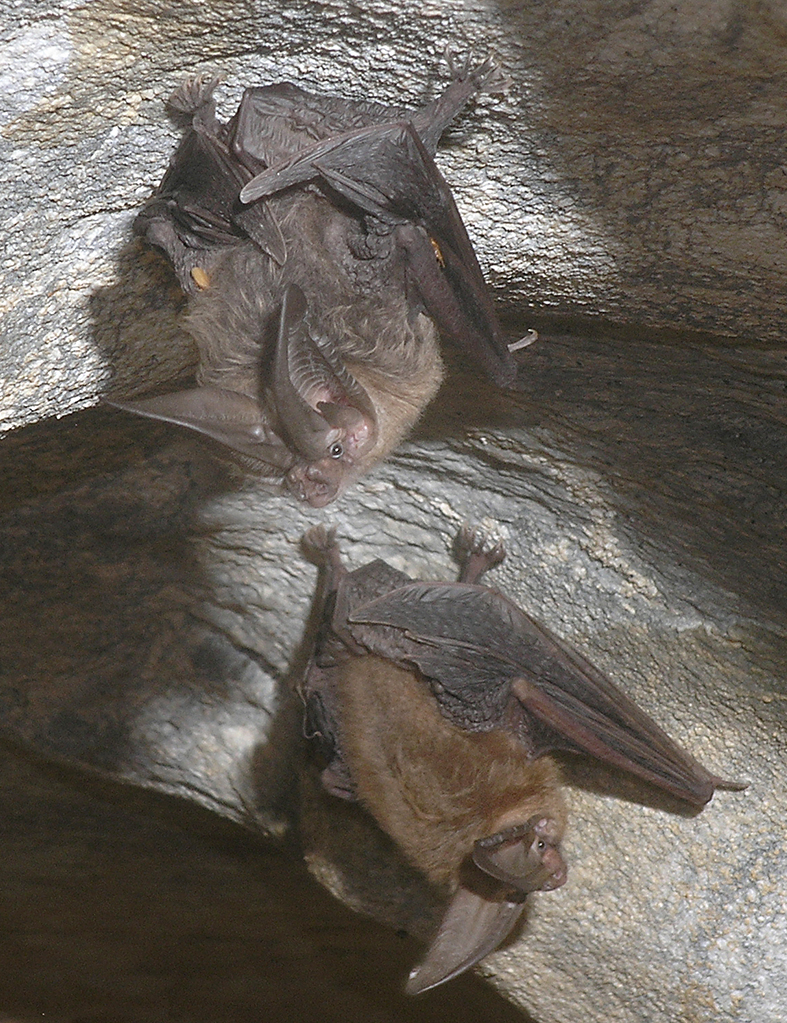
Microbats are generally smaller than their larger cousins, the megabats or fruit bats. They have tiny bodies ranging from 3 to 5 inches long! 🦇Microbats possess wings made up of skin stretched over elongated fingers, which help them maneuver while flying. Their fur can come in various shades, like brown, gray, or black. Many microbats have large ears that help them hear high-frequency sounds, which are essential for their echolocation. Additionally, microbats have sharp teeth for catching insects, and they possess a special structure called the patagium, which allows them to glide through the air with ease! ✨
Humans have a mixed relationship with microchiroptera. 🌍While some people may fear bats, they are crucial for controlling insect populations! Researchers study microbats to understand their behaviors and contributions to ecosystems. 🦇Bats are also valuable in fields like medicine; their saliva contains substances that can help with blood flow! Conservation efforts are underway to protect microbats and their habitats. For instance, bat houses can be built to provide safe roosting spots. Education programs help people appreciate the benefits of microchiroptera, turning fear into fascination! 🌟
Microchiroptera are part of the order Chiroptera, which means "hand-wing" in Greek. 🦇They are classified into various families, such as Vespertilionidae (common bats) and Rhinolophidae (horseshoe bats). This suborder is further divided into many species, such as the little brown bat (Myotis lucifugus) and the pipistrelle (Pipistrellus pipistrellus). Taxonomists study these creatures using their physical traits and DNA to learn how they are related. Scientists estimate that there are around 18 families of microbats! They are fascinating and diverse, making them special members of the animal kingdom. 🌟
Microchiroptera are social creatures that often live in groups called colonies! 🦇These colonies can range from a few bats to thousands, depending on the species. They communicate using sounds and sometimes make high-pitched clicks. They also find safety in numbers, helping to protect one another from predators. Microbats can be observed flying together in a synchronized manner during the night as they search for food. Some species are territorial, while others may share roosting sites. By working together, they increase their chances of catching insects and staying safe! 🤝