Memory Facts For Kids
Memory is the faculty of the mind by which data or information is encoded, stored, and retrieved when needed.
Select reading age

Memory Facts For Kids
Videos & Quizzesincluded
About this topic
Memory is like a treasure chest where our brains keep information! 🧠💎 It helps us remember things such as our favorite toys, friends’ names, and even how to ride a bike! Memory is built from experiences, and it helps us learn new skills. Our brains can remember things for a long time, or just for a few minutes. Different parts of the brain work together to hold memories, kind of like teammates in a game. Scientists study memory to understand how we learn and recall information throughout our lives!
Explore with ChatDinoKey Points
There are different types of memory that help us remember various kinds of information!
Working memory is like your brain’s “thinking cap”!
There are fun ways to help improve our memory!
As we grow older, our memory changes!
Short-term memory holds information for a little while, like remembering a friend’s phone number just for a moment!
Sometimes, people can have trouble with their memory.
Technology can be helpful for our memory but can also make it tricky!
Emotions and context play big roles in memory!
Our brain has special parts that help with memory!
Memory involves three important steps: encoding, storage, and retrieval!
Photos of Memory

Olin Levi Warner's 1896 illustration, Memory, now housed in the Thomas Jefferson Building at the Library of Congress in Washington, D.C.

Multi-store model
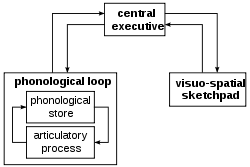
The working memory model

The garden of oblivion, illustration by Ephraim Moses Lilien

APP and LTP in Alzheimer disease

DNA methylation and demethylation molecular mechanisms

Regulatory sequence in a promoter at a transcription start site with a paused RNA polymerase and a TOP2B-induced double-strand break

Brain regions involved in memory formation including medial prefrontal cortex (mPFC)
📚 Types Of Memory
There are different types of memory that help us remember various kinds of information! 📚First, there's sensory memory, which is super short—lasting just a second. Imagine you see a bright flash! Next, we have short-term memory, which can hold information for a few moments, like remembering a phone number. Finally, there’s long-term memory, where important things stay forever, like birthday parties or your first day at school! 🎉Each type of memory plays an important role in helping us learn and enjoy life!
Go deeper🎩 The Role Of Working Memory
Working memory is like your brain’s “thinking cap”! 🎩It helps you hold onto information while using it. For example, when solving math problems or reading a story, working memory keeps track of what you've learned! This type of memory lets you remember instructions, like “take two steps forward” while playing a game. 🕹️ It’s essential for learning and problem-solving, helping us juggle many things in our minds at once. Working memory is like a superhero, helping us make sense of the world!
Go deeper🧩 Techniques To Improve Memory
There are fun ways to help improve our memory! 🧩One method is using a mnemonic, like creating rhymes or sayings to remember information! For example, “My Very Educated Mother Just Served Us Noodles” helps learn the planets! 🌟Another technique is repetitive practice, showing us things over and over, like singing our ABCs. Writing notes and drawing pictures can also help us remember! 📝Finally, staying healthy by eating fruits and veggies 🍎🥦 and getting enough sleep 🌙 keeps our brains sharp and ready to learn!
Go deeper🍼 Memory In Different Age Groups
As we grow older, our memory changes! 🍼Babies start by remembering simple things, like recognizing their parents’ faces. As kids, we remember many things, from school lessons to playdates! 🎈Teenagers often remember bigger ideas, like relationships or job plans. Adults may remember important experiences like traveling or raising kids, while older people often have lots of cherished memories from their lives! ⚔️ While we might forget some details, some memories stay forever in our hearts. Regardless of age, memory is an adventure we all share!
Go deeper📅 Short-term Vs Long-term Memory
Short-term memory holds information for a little while, like remembering a friend’s phone number just for a moment! 📅It can keep about 5-9 items at once, like a handful of candy! 🍬On the other hand, long-term memory saves important memories for years! This can include special achievements like winning a school award or taking a family trip. 🌍❤️ While short-term memory is quick and temporary, long-term memory is like having a photo album of our lives, keeping our favorite moments safe forever!
Go deeper🤔 Memory Disorders And Impairments
Sometimes, people can have trouble with their memory. This is called a memory disorder. 🤔One common disorder is Alzheimer's, where people forget important things, like names or places. There are also conditions like amnesia, which can happen after an accident, making people forget certain events. Memory disorders can affect anyone, including kids! Fortunately, doctors and scientists are working hard to find ways to help people with memory loss so they can keep their cherished memories alive! 🌈
Go deeper📱 The Impact Of Technology On Memory
Technology can be helpful for our memory but can also make it tricky! 📱Using our tablets for games or apps helps us learn and remember new things! Educational games and videos can feed our curiosity. However, relying too much on devices can make our brains a bit lazy! For example, if we always check GPS for directions, we might not remember our way around! It’s essential to balance technology use with fun activities, like exploring and playing outside. 🌳This way, we can use our brains to the fullest!
Go deeper💖 Factors Influencing Memory: Emotions And Context
Emotions and context play big roles in memory! 💖When we feel happy, excited, or even scared, it helps us remember things better. For example, we’re more likely to remember a fun birthday party 🎂 than a boring day at home. Context is about where and when we learned something. If you study in a quiet room, it helps you recall information during a test! 🏫Just like placing your favorite toys in a specific spot helps you find them later, feelings and surroundings help us remember better, too!
Go deeper🧠 Neuroscience Of Memory: Brain Structures Involved
Our brain has special parts that help with memory! 🧠The hippocampus is a little seahorse-shaped area that allows us to store new memories! It’s located deep in our brains, like a hidden treasure! 🏴☠️ The amygdala helps us remember feelings, like happiness or fear. It’s important for remembering emotional events! Lastly, the cerebellum helps us remember how to do things, like riding a bike! 🚴All these parts work together, making our memory super strong and helping us learn!
Go deeper🔄 Memory Processes: Encoding, Storage, And Retrieval
Memory involves three important steps: encoding, storage, and retrieval! 🔄First, encoding is when we take in information, like the smell of cookies baking. 🍪Then, storage is when our brains save that information for later. Finally, retrieval is when we remember something, like recalling the name of a friend! This process helps us learn new things at school and remember fun times with family. When we understand these steps, we can work better on remembering all the exciting things in life!
Go deeper