Maxilla Facts For Kids
The maxilla is a paired bone in vertebrates that forms the upper jaw, connecting key facial features and assisting in functions such as eating, speaking, and breathing.
Select reading age

Maxilla Facts For Kids
Videos & Quizzesincluded
About this topic
The maxilla is an important bone in your face! 🦷It is the upper part of your jaw and helps you chew food and smile. The maxilla is made up of two bones that fuse together. You can find it right under your nose. It also holds your upper teeth in place! The maxilla is found in many animals, not just humans. For example, dogs and cats also have maxillas! 🐶🐱 This bone is a key player in the way we eat and express our emotions! Let’s learn more about the maxilla and how it works!
Explore with ChatDinoKey Points
The maxilla looks like a big, flat piece of bone.
The maxilla has some super cool functions!
The maxilla is super important for holding your teeth!
Did you know you had a maxilla even before you were born?
Sometimes, the maxilla can have problems or get injured.
Did you know your maxilla helps you talk?
The maxilla isn’t just in humans; it’s found in many animals!
The maxilla does not stand alone; it has many friends!
The maxilla has been important in human culture throughout history!
Doctors sometimes need to perform surgery on the maxilla.
Photos of Maxilla

Maxilla — photo 1

Inferior surface of maxilla

Anterior surface of maxilla at birth

Fracture of the left lacrimal / maxillary bone
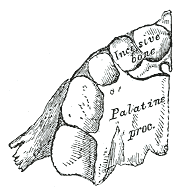
Inferior surface of maxilla at birth
🧩 Anatomy Of The Maxilla
The maxilla looks like a big, flat piece of bone. It has different parts, just like a puzzle! 🧩The front part is called the alveolar ridge, and this is where your teeth stick in! Behind it, there are important holes called sinuses that help us breathe. The maxilla connects with other bones in the face, like the nasal bones and the cheekbones (zygomatic bones). 🔗It also has a funny shape kind of like a butterfly when you look at it from different angles! This special shape helps make our face look balanced and pretty.
Go deeper🌟 Functions Of The Maxilla
The maxilla has some super cool functions! 🌟First, it helps us chew food so we can get energy from our meals! The maxilla supports our upper teeth, which is super important for biting into apples or chewing gum. The maxilla also plays a role in speaking. When we say certain sounds, our mouth needs the maxilla to work properly. 🎶Plus, this bone supports our face shape, so we stay smiling and happy!
Go deeper🦷 Role In Dental Structure
The maxilla is super important for holding your teeth! 🦷Each upper tooth has a special space in the maxilla called an "alveolus." This is a cozy little pocket where the tooth can grow and stay strong! If the maxilla is healthy, our teeth will be healthier too! When kids lose their baby teeth, it’s the maxilla that makes space for big kid teeth to come in! Yay for growing up! 🎉Taking care of our maxilla helps keep our smiles beautiful for years to come!
Go deeper👶 Development Of The Maxilla
Did you know you had a maxilla even before you were born? 👶The maxilla starts to develop early in life! When babies are still in their mom’s tummy, this bone begins to form from cartilage, which is a flexible tissue. As babies grow, the cartilage changes into bone. By the time a child is about 14 years old, the maxilla is fully developed! It can grow larger as your teeth come in and as you get older. Isn’t it amazing how our bones change over time? 😊
Go deeper💔 Common Disorders And Injuries
Sometimes, the maxilla can have problems or get injured. 💔One common problem is a cleft palate, which happens when the maxilla does not fully close during development. This can make it hard to eat and talk. Injuries can happen too! For example, if someone accidentally falls and hits their face, they might break their maxilla. 😬Doctors can help fix these issues, so it’s important to visit them if something feels wrong with your teeth or jaw!
Go deeper🎤 Maxilla And Speech Production
Did you know your maxilla helps you talk? 🎤When we talk, it helps form sounds and words! The tongue and lips work with the maxilla to shape each sound. For example, to say “m,” you need your mouth to be in the right position, which is where the maxilla comes in! This bone helps create spaces in the mouth that allow sounds to travel out when we speak. Isn’t it amazing how our bones help us communicate? 🤔
Go deeper🐒 Comparative Anatomy Of The Maxilla
The maxilla isn’t just in humans; it’s found in many animals! 🐒For example, monkeys and horses also have a maxilla that helps them eat! However, the size and shape can be different. In animals that eat plants, the maxilla might be larger to help grind their food well. In predators, like lions, it might be stronger to assist in catching food. 🌍Even fish have similar structures in their jaws! So, no matter where you look in the animal kingdom, the maxilla plays a vital role!
Go deeper🎉 Connection With Other Facial Bones
The maxilla does not stand alone; it has many friends! 🎉It connects to several other bones in the face. It touches the nose bone (nasal bone) at the top and the cheekbones (zygomatic bones) on the sides. The maxilla also connects to the lower jaw (mandible) when we chew! All these connections help our face look normal and strong, and they work together to help us eat, talk, and smile! 😄
Go deeper🎭 Cultural And Historical Significance
The maxilla has been important in human culture throughout history! 🎭Ancient people, such as the Egyptians, used to decorate their faces and jaws for art and style. Archaeologists have discovered mummies with well-preserved maxillas that tell us about how people lived long ago! The maxilla also plays a part in many languages, as it connects to speech and communication that cultures around the world rely on. By studying the maxilla, we can learn more about how people have expressed themselves through the ages! 🌍
Go deeper🏥 Surgical Procedures Involving The Maxilla
Doctors sometimes need to perform surgery on the maxilla. 🏥If someone has a cleft palate, surgeons can work to fix it, which can help with eating and speaking. They use special tools to create a smoother line in the maxilla. Another reason for surgery can be if someone has a broken maxilla from an accident. 🦷In both cases, doctors work carefully to make sure everything heals properly. They help people smile and enjoy eating again! 😊
Go deeper