Matteo Ricci Facts For Kids
Matteo Ricci was an Italian Jesuit priest who was a key figure in establishing Jesuit China missions and promoting cultural exchanges between Europe and China.
Select reading age
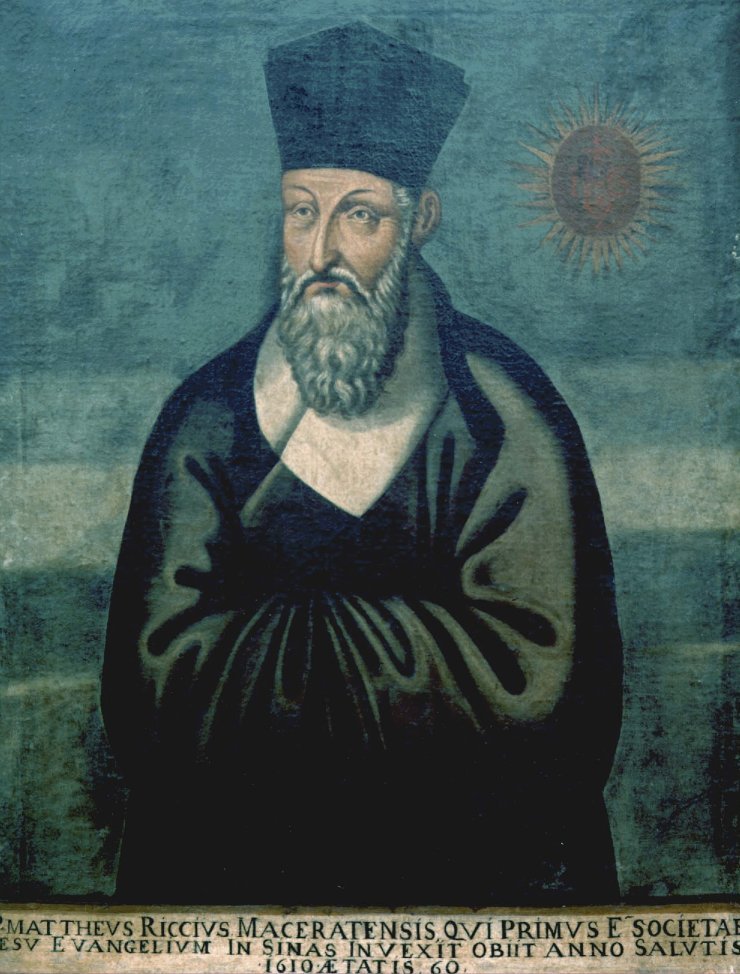
Matteo Ricci Facts For Kids
Videos & Quizzesincluded
About this topic
Matteo Ricci was an Italian Jesuit priest born on October 6, 1552, in Macerata, Italy 🇮🇹. He is most famous for being one of the first missionaries to China 🌏. Ricci traveled all the way to China to teach and share ideas about Christianity. He arrived in China in 1583 and spent many years learning the language and culture. He became friends with Chinese scholars and introduced European science and technology to the Chinese people. Through his efforts, he opened a door of understanding between East and West and became a symbol of cultural exchange. 🌟
Explore with ChatDinoKey Points
Matteo Ricci faced many challenges during his time in China.
Matteo Ricci was born into a family that valued education 🎓.
Arriving in China in 1583, Ricci settled in the city of Beijing 🏯.
Ricci was a talented writer!
Today, Matteo Ricci is remembered as a connector of cultures and ideas!
Confucianism is a significant part of Chinese culture, focusing on respect, family, and education 👨👩👧👦.
Ricci believed in cultural exchange—sharing and learning from each other!
Matteo Ricci formed friendships with many Chinese scholars over the years.
Matteo Ricci was not only a missionary but also a talented geographer and scientist!
Matteo Ricci’s journey in China had a lasting impact on Christianity there.
Photos of Matteo Ricci

Matteo Ricci — photo 1

Matteo Ricci's way from Macau to Beijing

Matteo Ricci Museum in Zhaoqing located on of the site of the Catholic Church he helped found called Xianhua Temple (仙花寺)

Ricci's grave (利玛窦墓) in Beijing's Zhalan Cemetery

An early 17th-century depiction of Ricci in Chinese robes

Matteo Ricci — photo 6

Map of East Asia by Matteo Ricci in 1602

Matteo Ricci — photo 8

Matteo Ricci — photo 9
👀 Challenges And Conflicts
Matteo Ricci faced many challenges during his time in China. 👀Some were suspicious of foreigners and their beliefs. The government had rules against converting people and sometimes limited Ricci’s activities. He also faced language barriers. Even after learning Chinese, some complicated ideas were hard to explain! Yet, with patience, Ricci managed to overcome many of these obstacles. He relied on compassion and respect, winning over hearts through dialogue and understanding. He taught others the importance of friendship, showing how challenges could teach us many valuable lessons about courage and resilience in the face of adversity. 💪
Go deeper🎓 Early Life And Education
Matteo Ricci was born into a family that valued education 🎓. After studying law, he joined the Jesuits in 1571, a group focused on spreading Christianity and education. He traveled to Portugal and then to India before arriving in China. Learning languages was key! Ricci was excellent at mastering languages. He learned Latin, Greek, and eventually Chinese! 🇨🇳 This was important because knowing the local language helped Ricci communicate better with the people in China. He used his talent in language to build bridges with the Chinese way of life, creating friendships that would last. 🤝
Go deeper🏯 Missionary Work In China
Arriving in China in 1583, Ricci settled in the city of Beijing 🏯. He wore Chinese clothes and adopted the customs of the locals to make friends. He studied Confucianism, which was very important to the Chinese people. Ricci’s belief was that understanding their culture would help him share his own beliefs in Christianity better. He was smart! 😄His efforts led to the establishment of a Jesuit mission in China, where many Chinese people were curious about his knowledge of science, mathematics, and astronomy. He helped explain the importance of Christianity, making his mission impactful.
Go deeper📚 Writings And Translations
Ricci was a talented writer! 📚He wrote books and letters, sharing his thoughts and experiences in both Latin and Chinese. One of his top books was “The True Meaning of the Lord of Heaven," explaining the Christian faith in a way that connected with Chinese beliefs. He also translated important Chinese texts, broadening understanding between cultures. His writing demonstrated respect and curiosity towards Chinese traditions. This encouraged many to learn more about Christianity. Ricci’s writings are significant historical documents today, showing how ideas can cross oceans and influence societies. 📖
Go deeper🏅 Recognition And Commemoration
Today, Matteo Ricci is remembered as a connector of cultures and ideas! 🏅Many cities, schools, and institutions honor him, especially in China and Italy. His work helped to shape the relationship between Europe and China, paving the way for future interactions. Numerous books, documentaries, and academic studies explore his life and influence. In 2010, a special exhibition was held in Rome to commemorate his 400th anniversary of his death, celebrating his legacy. Ricci’s ideas of compassion and respect continue to inspire people worldwide, teaching us that together, we can build bridges across cultures and differences! 🌉
Go deeper👨👩👧👦 The Influence Of Confucianism
Confucianism is a significant part of Chinese culture, focusing on respect, family, and education 👨👩👧👦. Matteo Ricci respected it deeply. He believed that to teach about Christianity, he needed to understand Confucian values. This helped him create strong relationships with Chinese scholars 🏫. By using Confucian ideas, he made teachings about Christianity more relatable. Ricci often compared Christian teachings with Confucian principles, which intrigued many Chinese people. This method of integrating culture helped break down barriers, allowing for respectful discussions about beliefs and ideas, fostering a spirit of cooperation and understanding. ❤️
Go deeper🌏 Cultural Exchange And Adaptation
Ricci believed in cultural exchange—sharing and learning from each other! 🌏He showed the Chinese new inventions like the clock, maps, and scientific knowledge. In return, he learned about Confucianism and Chinese customs. Ricci was known for his respect toward Chinese traditions, which helped him gain the trust of many. He studied how to think like a Chinese scholar, creating an environment of understanding. He even translated some Chinese texts to help spread knowledge! This beautiful exchange was important because it brought together the ideas and wisdom of both the East and the West. 🌟
Go deeper🤝 Interactions With Chinese Scholars
Matteo Ricci formed friendships with many Chinese scholars over the years. 🤝These connections were vital to his mission. By engaging with scholars, he learned more about their culture and philosophies, and they, in turn, learned about European science and thoughts. Ricci participated in discussions on ethics, astronomy, and mathematics, leading to an exchange of knowledge that benefited both sides. Notably, he interacted with the renowned Chinese scholar Xu Guangqi 🌟, who later became a Christian himself! Ricci’s warmth and curiosity about other cultures created a relationship of respect and learning, emphasizing curiosity as a path to friendship.
Go deeper📍 Contributions To Geography And Science
Matteo Ricci was not only a missionary but also a talented geographer and scientist! 📍He created detailed maps of China and introduced Western astronomy. Ricci’s maps helped Europeans understand China's vast geography. Did you know he helped explain the concept of latitude and longitude to the Chinese? 🌐He also taught them about phenomena like eclipses and the solar system! Ricci’s scientific contributions brought Chinese and European knowledge together, leading to advancements in both cultures. His ability to merge ideas made him a remarkable figure in the world of science during his time. 🔭
Go deeper👍 Legacy And Impact On Christianity In China
Matteo Ricci’s journey in China had a lasting impact on Christianity there. Many Chinese people began to see Christianity in a new light thanks to his respectful approach 👍. He paved the way for future Jesuit missionaries to come to China. Ricci’s deep understanding of Chinese culture helped him translate Christian ideas in ways people could understand. By breaking down walls between cultures, he set an example for others in promoting peace and understanding. Today, many still honor him for his role in building bridges between the East and West, making a mark in history! 🌍
Go deeper