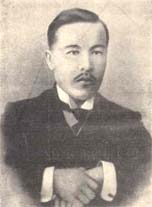
The Mari people, also formerly known as the Cheremis, are a Finno-Ugric group residing primarily along the Volga and Kama rivers in Russia, known for their rich culture and heritage.

Set reading age
View for Kids
Easy to read and understand
View for Students
Clear, detailed explanations
View for Scholars
Deep dives and big ideas
The Mari people are a special group who live in Russia, near two important rivers: the Volga and the Kama. 🌊They are part of a family called the Finno-Ugric people. This family also includes groups like the Finns and Estonians! The Mari have their own unique and rich culture, language, and customs. They love nature and often celebrate it in their traditions. 🌳Did you know that there are about 600,000 Mari people today? They mostly live in the Mari El Republic, which is in the European part of Russia!
The Mari are known for their amazing art and crafts! 🖌️ They create beautiful wooden carvings and pottery. Traditional Mari art often includes designs inspired by nature, such as flowers, animals, and trees. 🌳Local artisans spend years learning these skills. The craftsmanship is not just beautiful but also tells stories about their daily lives and history. Visitors to Mari communities can often see these artworks at markets and festivals!
The Mari people speak the Mari language, which is part of the Finno-Ugric group of languages. 📚There are two main dialects: Hill Mari and Meadow Mari. The Hill Mari people live in the hilly areas, while the Meadow Mari are found in the open plains. 🌳The language has its own alphabet and is used in schools and local media. Learning the Mari language helps keep their culture alive for future generations!
Mari culture is colorful and vibrant! 🎨They have a unique way of life that includes music, dance, and beautiful traditions. One famous tradition is their wedding celebrations, which include singing and dancing. The Mari also celebrate nature and the earth. They have drumming ceremonies to celebrate the changing seasons. 🌸The Mari people believe in taking care of their land and have many stories and legends about nature spirits!
Today, Mari people live in many towns and villages in Russia, mainly in the Mari El Republic. 🏡They have schools, festivals, and cultural centers to keep their traditions strong. Some Mari people have moved to bigger cities for work, but they still celebrate their roots. 🌍The Mari communities work together to preserve their language and culture, sharing their rich history with the world. They are proud to belong to a unique and colorful culture!
Festivals are a big part of Mari culture! 🎉One of the most famous is the "Savi", which celebrates the summer season. During this festival, people sing, dance, and participate in games. They also have rituals to honor nature and the spirits. 🌼Another important celebration is "Kugai", where they highlight their history and culture through songs and performances. These festivals bring people together, helping to strengthen their community bonds and keep traditions alive!
The Mari people have lived in their region for thousands of years. 🕰️ Historians believe they were originally a nomadic group who moved around to find food. Over time, they settled along the rivers, which helped them with fishing and farming. In the 13th century, they faced challenges when the Mongols invaded. 🐎They joined forces with other groups to maintain their independence! The Mari have a rich history where they fought to keep their culture alive against invaders and influences.
The Mari people live in small communities where everyone knows each other. 👥They often work together in farming, fishing, and crafts. Traditionally, families are close-knit, and they help one another. Mari communities value cooperation and sharing. Many people in these communities still follow old customs while adapting to modern life. They balance traditions and new ideas beautifully, ensuring that their rich heritage continues!
The Mari people have rich spiritual beliefs. 🌟Many of them follow ancient traditional stories and customs, worshiping nature spirits and ancestors. They have a special festival called "Ural" where they honor the spirits of the forest and rivers. 🏞️ In modern times, some Mari have also embraced Russian Orthodox Christianity, blending it with their own beliefs. This mix of faiths makes their spiritual life unique and colorful!
History has shaped the lives of the Mari people in many ways. 📜In the 18th century, they faced challenges from the Russian Empire which tried to change their culture. However, the Mari remained strong and kept their ways alive! 🌈In the 20th century, during the Soviet era, there were more changes as the Mari people were encouraged to adopt different lifestyles. Even through these challenges, the Mari have worked hard to ensure their traditions are still celebrated today!
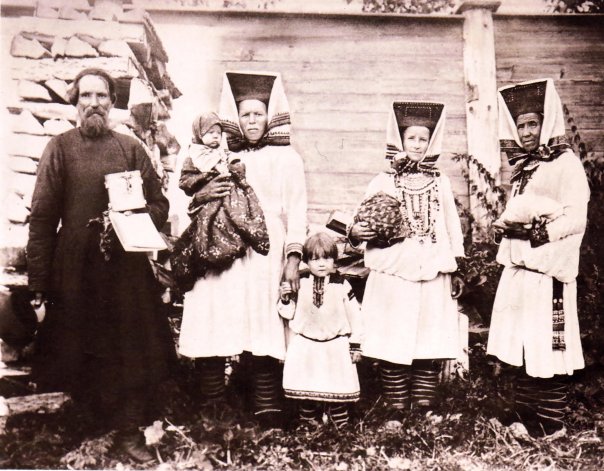
Mari traditional clothing is very pretty and colorful! 👗Women often wear long dresses with beautiful embroidery, while men wear decorated shirts. The embroidery often tells stories about their culture and traditions. They use bright colors like red, blue, and green in their designs. 🎨For special occasions, they wear headbands and shawls to show their heritage. This clothing keeps the Mari traditions alive and helps everyone remember their roots!


DIY is a creative community where kids draw, build, explore ideas, and share.
No credit card required