Luffa Facts For Kids
Luffa is a fascinating genus of tropical and subtropical vines in the gourd family, known for its sponge-like fruits and delicious edible young fruits.
Select reading age
Luffa Facts For Kids
Videos & Quizzesincluded
About this topic
Luffa, sometimes spelled “loofah,” is a climbing plant found in warm places like Africa, Asia, and parts of the Americas. 🌍It belongs to the gourd family and is famous for its unique sponge-like fruit! People have used luffa for hundreds of years, especially in kitchens and bathtubs! When ripe, the fruit can be dried until it becomes a natural scrubber. This makes it popular for personal care and cleaning. Did you know that the luffa plant can grow up to 30 feet long? 🌱That’s as tall as a tall giraffe! 🦒
Explore with ChatDinoKey Points
Luffa is not just for scrubbing!
Once luffa fruits are fully mature and dried, they become a fantastic source of natural fiber!
Luffa loves warm weather and needs plenty of sunlight to grow!
Like all plants, luffa can get sick or have some unwanted visitors!
Growing luffa is not only fun, but it can also be good for the environment!
Luffa has been used for a long time in different cultures.
Luffa is part of the Cucurbitaceae family, which also includes pumpkins, cucumbers, and melons!
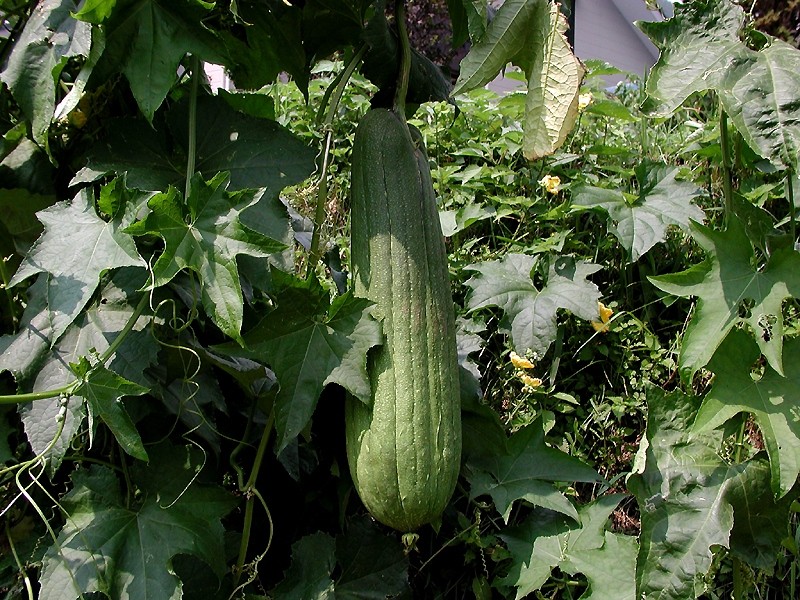
Luffa fruits look like green cucumbers when fresh, but when they dry, they turn brown and have a spongey texture!
To grow luffa, gardeners start by planting seeds in good soil with plenty of space for them to stretch out.
Photos of Luffa

A bathroom loofa sponge

Ridge gourd with mung bean made in a house in Vijayawada, Andhra Pradesh, India

Beerakaya pulusu curry ingredients

Definition of the parts of a luffa sponge and the relevant coordinate system for mechanical properties measurements

Characteristic stress-strain curve of a luffa sponge in compression


🍽️ Uses In Cuisine
Luffa is not just for scrubbing! Young luffa fruits can be cooked and eaten like vegetables. 🍽️ In many Asian countries, they are used in soups, stir-fries, and salads. The flesh has a mild taste, which is perfect for absorbing flavors from spices and sauces. In China, luffa is often steamed or boiled and served as a tasty dish! 🍜It's a healthy option that is low in calories but high in vitamins! Eating luffa is a fun way to explore different flavors from around the world!
Go deeper🌿 Fiber Production
Once luffa fruits are fully mature and dried, they become a fantastic source of natural fiber! 🌿The fibrous tissue inside can retain water and is great for scrubbing your skin in the shower! People make luffa sponges and bath scrubs that help keep our skin clean and healthy. 🛁They are eco-friendly alternatives to synthetic sponges and have been used for centuries as natural exfoliants! Nowadays, many people like to use luffa sponges for cleaning dishes or even as plant supports in the garden!
Go deeper🌞 Growing Conditions
Luffa loves warm weather and needs plenty of sunlight to grow! 🌞It thrives in tropical and subtropical environments, where temperatures stay between 70°F to 90°F (21°C to 32°C). For the best growth, luffa should be planted in well-drained soil with a lot of organic matter, like compost! 🥕It also needs water, especially when the fruits are growing. Farmers often plant luffa in the spring after the last frost, so they can enjoy a fruitful harvest by summer! 🌻
Go deeper🐛 Pests And Diseases
Like all plants, luffa can get sick or have some unwanted visitors! 🐛Common pests include aphids, spider mites, and cucumber beetles that may munch on the leaves. Keeping your luffa plants healthy is important, so regular checks for pests are a good idea. If the plant looks unhappy, it might have issues like powdery mildew or root rot due to overwatering. 🌧️ Gardening with care helps protect the luffa plant and ensures a great harvest. Remember to use natural ways like ladybugs and neem oil for pest control! 🌻
Go deeper🌍 Environmental Impact
Growing luffa is not only fun, but it can also be good for the environment! 🌍Luffa plants help improve soil quality as they grow. They produce oxygen and provide food and shelter for insects and animals! 🐝Plus, using luffa sponges reduces plastic waste in our oceans. By choosing natural products, we help keep our planet clean. 🌊Farmers often grow luffa together with other plants, which can promote biodiversity and support healthy ecosystems. So, loving luffa means loving our Earth! 💚
Go deeper🌏 Cultural Significance
Luffa has been used for a long time in different cultures. 🌏In Egypt, it was used in ancient times for cleaning and scrubbing. In some Asian cultures, it is seen as a sign of good luck and is often included in cooking traditions. 🎉People in India celebrate the luffa plant during festivals, highlighting its importance in daily life. Besides practical uses, luffa represents hard work and resilience, standing tall even in tough conditions. It's a special plant with a rich cultural background! 🌟
Go deeper🎃 Botanical Classification
Luffa is part of the Cucurbitaceae family, which also includes pumpkins, cucumbers, and melons! 🎃The scientific name for the common luffa is Luffa aegyptiaca. There are several types of luffa, but the two most popular are Luffa acutangula and Luffa cylindrica. These plants grow in tropical and subtropical regions and have green, leafy vines. 🍃Luffa plants have bright yellow flowers that bloom for only a day! They are an essential part of nature, providing food for butterflies, bees, and other helpful insects. 🦋
Go deeper🍆 Physical Characteristics
Luffa fruits look like green cucumbers when fresh, but when they dry, they turn brown and have a spongey texture! 🍆They can grow up to 24 inches long! Inside, they have many fibrous strands, which is what people use to make luffa sponges. The plant’s leaves are large and can be heart-shaped, while the flowers are usually yellow and showy. 🌼The luffa plant can climb structures like fences using special tendrils, which are like tiny fingers that grab onto things!
Go deeper🌱 Cultivation And Harvesting
To grow luffa, gardeners start by planting seeds in good soil with plenty of space for them to stretch out. 🌱Once the plants start to climb, they need a support structure, like a trellis. After about 4 to 6 months, when the fruits have turned yellow and hard, it's time to harvest! 🌿People remove the pods carefully, then peel away the skin, and rinse them to reveal the sponge inside. Don't forget, immature luffa can also be eaten, just like zucchini!
Go deeper