Little Crake Facts For Kids
The Little Crake is a small and secretive waterbird belonging to the Rallidae family, often found in marshy wetlands across Europe, Asia, and Africa.
Select reading age
Little Crake Facts For Kids
Videos & Quizzesincluded
About this topic
The Little Crake is a tiny waterbird that belongs to the Rallidae family, which includes many types of rails and crakes! 🐦These little birds are usually found in wetlands and marshes where they weave their way through reeds and grasses. They are known for their shy nature and secretive behavior, often hiding among the vegetation. The Little Crake is about the size of a sparrow, measuring around 8 to 9 inches long, with a weight of about 45 to 70 grams. They are found in Europe, Asia, and parts of Africa during the breeding season. 🌍
Explore with ChatDinoKey Points
The scientific name for the Little Crake is Porzana parva.
Little Crakes are often shy and prefer staying hidden in reeds.
Did you know that Little Crakes are quite secretive and only come out when they feel safe?
The Little Crake is currently listed as "Least Concern" by the International Union for Conservation of Nature (IUCN).
Little Crakes start breeding in late spring.
In many cultures, wetlands are seen as magical places where various species, like the Little Crake, coexist.
The Little Crake faces challenges that affect its survival.
If you want to see Little Crakes, visit wetlands and marshy areas during spring or early summer!
Little Crakes prefer wetlands, marshes, and reed beds where they can hide from predators.
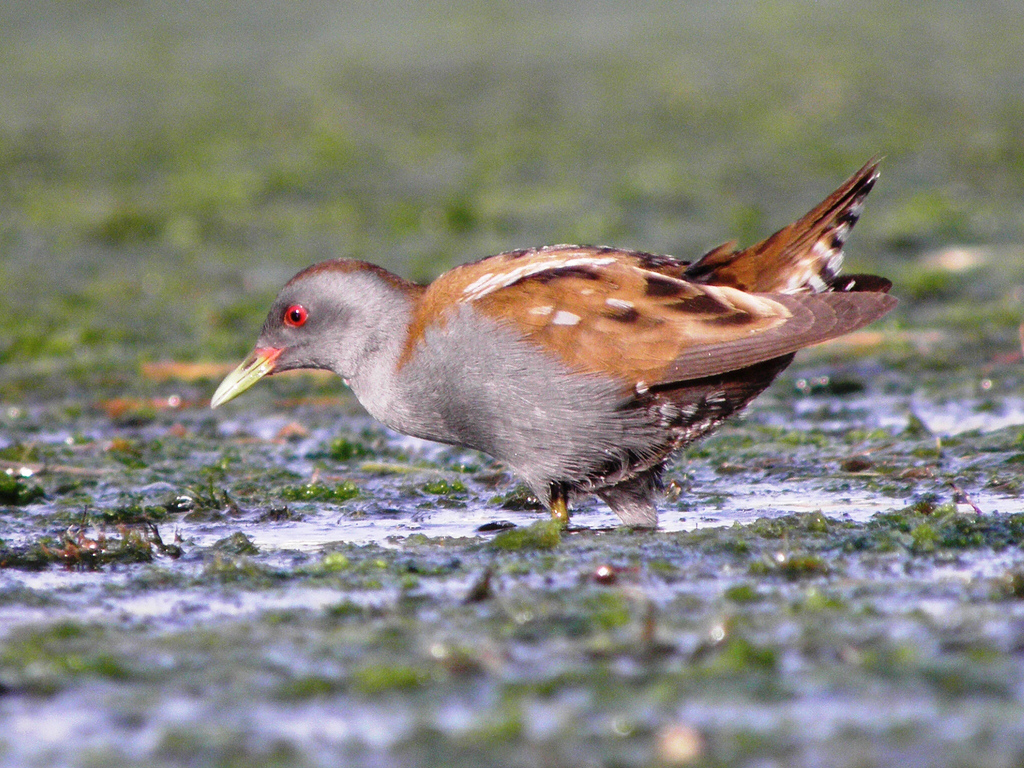
These little birds have a lovely plumage!
Photos of Little Crake


🦆 Taxonomy
The scientific name for the Little Crake is Porzana parva. It belongs to the family Rallidae, which has many relatives like the moorhen and coot. 🦆Taxonomy is like a family tree for animals, showing how they are related. The Little Crake is in the class Aves, which means it is a bird! There are about 10 different species in the Porzana genus, each with its unique features. The Little Crake is the smallest of these, making it extra special! 🌿
Go deeper🕵️ Behavior And Diet
Little Crakes are often shy and prefer staying hidden in reeds. 🕵️ They move quietly, using their long toes to walk on soft mud without sinking! Their diet consists mainly of insects, snails, and seeds—delicious treats found in wetlands! 🦋During the day, they can be seen peeking out of the grass to look for food, but they are more active at dawn and dusk when they feel safer. Just like ninjas, they know how to be stealthy in their watery homes! 🥷
Go deeper🤫 Interesting Facts
Did you know that Little Crakes are quite secretive and only come out when they feel safe? 🤫They have a unique call that sounds like a "kree kree" sound, which they use to communicate with one another. Little Crakes are also skilled swimmers and can even dive underwater for short periods! 🌊Interestingly, they can mimic other sounds, helping them hide from danger. So, they are not just cute but also clever! 🧠
Go deeper🌍 Conservation Status
The Little Crake is currently listed as "Least Concern" by the International Union for Conservation of Nature (IUCN). 🌍This means they are not in immediate danger of extinction! However, their habitats can be threatened due to human activities like draining wetlands for farming. Protecting these special environments is essential for ensuring the Little Crake populations stay healthy and strong! 🌿
Go deeper🐣 Breeding And Nesting
Little Crakes start breeding in late spring. 🐣They build their nests among reeds, using grasses and leaves to create a cozy home for their eggs. A female can lay about 5 to 10 eggs, which she incubates for around three weeks. The chicks are born with downy feathers and can swim and find food shortly after hatching. 🚼Both parents take care of the young, teaching them how to find hiding spots and food. Family teamwork is important for their survival! 💪
Go deeper🌌 Cultural Significance
In many cultures, wetlands are seen as magical places where various species, like the Little Crake, coexist. 🌌It reminds us how important it is to take care of our environment. In some regions, Little Crakes have inspired stories about their adventures in marshes, showcasing the beauty of nature. 🌼People enjoy birdwatching and learning about these little creatures, fostering a deeper appreciation for wildlife and encouraging conservation efforts! 🦋
Go deeper🚧 Threats And Challenges
The Little Crake faces challenges that affect its survival. 🚧Habitat loss is one of the biggest threats, as wetlands are dried up or polluted. Climate change can also alter the conditions of their homes, making it harder for them to find food. Predation by animals like cats and foxes adds to their challenges, as these predators can hunt for Little Crakes and their young. Every effort counts in helping these little birds thrive! 🌧️
Go deeper🌼 Observing Little Crakes
If you want to see Little Crakes, visit wetlands and marshy areas during spring or early summer! 🌼Bring some binoculars for better viewing and stay quiet so you don’t scare them away. Look for their movement among the reeds or listen for their unique calls. 🕵️ Learning about their behavior, feeding habits, and nesting can make your adventure more fun! Remember, respecting wildlife is important, so let them enjoy their natural habitat! 🦢Happy birdwatching! 🌳
Go deeper🌾 Habitat And Distribution
Little Crakes prefer wetlands, marshes, and reed beds where they can hide from predators. 🌾They like shallow water and areas with lots of plants to snuggle between! 🌊During breeding season, they can be spotted in parts of Europe and Central Asia, such as Hungary and Poland. In winter, they migrate to warmer places like Africa, especially countries like Egypt and Sudan. So, they travel a long way to keep warm! ❄️
Go deeper🌳 Physical Characteristics
These little birds have a lovely plumage! Their feathers are mostly olive brown, helping them blend into their habitats. 🌳They have a striking blue-grey face and a bright yellow bill. Their legs are thin and long, perfect for walking through wet grass. 🦵Adult males are slightly larger than females, but both have the same colorful features. Little Crakes have short tails and small beaks, which make them look cute! 😊
Go deeper