Lavandula Angustifolia Facts For Kids
Lavandula angustifolia, or English Lavender, is a fragrant flowering plant from the Mediterranean region, known for its purple blooms and various uses in gardens, cooking, and natural remedies.
Select reading age
Lavandula Angustifolia Facts For Kids
Videos & Quizzesincluded
About this topic
Lavandula angustifolia, also known as English lavender, is a lovely plant with beautiful purple flowers! 🌸It belongs to the mint family and is famous for its wonderful scent. People often use it in gardens, sachets, and essential oils. This plant can grow up to 3 feet tall and thrives in sunny areas. Popular for its calming aroma, lavender is enjoyed all over the world, especially in places like France and England. 🌍Many people love to grow it because it attracts butterflies and bees, making gardens more lively and colorful!
Explore with ChatDinoKey Points
Though Lavandula angustifolia is a tough plant, it can face some scary problems!
Growing Lavandula angustifolia is pretty easy!
Lavandula angustifolia is not only beautiful but also helps the environment!
English lavender has silver-green leaves that grow in narrow, long shapes.
Lavender has a long history and special meanings in many cultures!
Lavandula angustifolia has many exciting uses!
Lavandula angustifolia is native to the Mediterranean region, especially countries like France, Spain, and Italy!
Lavandula angustifolia is classified in the plant kingdom, making it a unique species.
Lavender isn't just pretty — it’s useful, too!
Photos of Lavandula Angustifolia

Lavandula Angustifolia — photo 1

Lavandula Angustifolia — photo 2

Lavandula Angustifolia — photo 3

Lavandula Angustifolia — photo 4

Lavandula Angustifolia — photo 5

Lavandula Angustifolia — photo 6

Dried Lavandulae flos as used in herbal teas
🐛 Pests And Diseases
Though Lavandula angustifolia is a tough plant, it can face some scary problems! 🐛Aphids, spider mites, and whiteflies are bugs that might try to munch on its leaves. You can keep them away by checking your plant regularly! 🕵️♂️ If you see any pests, remove them gently by washing the leaves with water. Sometimes, lavender can get powdery mildew, which is a fungus. 🌧️ To help prevent this, make sure it gets plenty of sunlight and avoid watering too much. Healthy lavender means happier gardeners!
Go deeper🌻 Cultivation And Care
Growing Lavandula angustifolia is pretty easy! 🌻All you need is well-drained soil and a sunny spot. Plant the seeds or small plants in spring, and make sure they get about 6 to 8 hours of sunlight each day! ☀️ It's best to water them only when the soil feels dry. Lavender likes dry conditions, so don’t overwater! To help the plant stay healthy, you can prune it once a year after blooming. ✂️ Be patient! With the right care, you'll enjoy its lovely flowers and beautiful scent for many seasons.
Go deeper🌍 Environmental Impact
Lavandula angustifolia is not only beautiful but also helps the environment! 🌍It attracts many helpful insects like bees and butterflies, which are important for pollination. When pollinators visit lavender, they help plants reproduce and produce fruits and seeds. 🍯Lavender also acts like a natural pest repellant, keeping harmful bugs away without chemicals. This helps gardens stay healthy and balanced! By growing lavender, we can support our ecosystems while enjoying its incredible beauty and scent! 🌈
Go deeper🌱 Physical Description
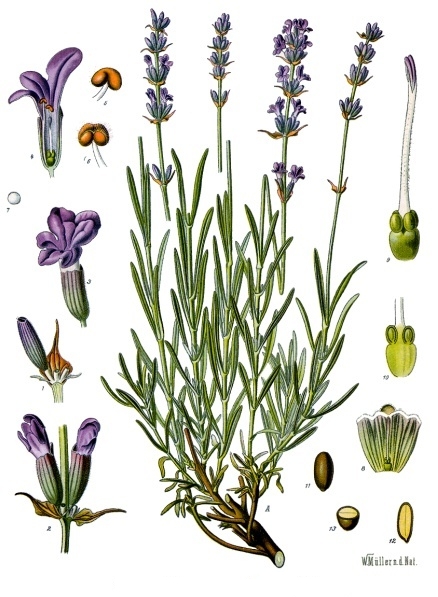
English lavender has silver-green leaves that grow in narrow, long shapes. 🌱The flowers bloom into tall spikes of purple! The flowers can sometimes be light blue or white, too, depending on the variety. 🟣When you touch the leaves, they feel soft and kind of fuzzy. Lavender has a strong, sweet smell that many people love. 🌼This delightful bust of color and fragrance makes it easy to recognize. The plant also attracts helpful insects like bees and butterflies, making it a fantastic choice for any garden!
Go deeper🎉 Cultural Significance
Lavender has a long history and special meanings in many cultures! 🎉In ancient times, people used it for bathing, cooking, and healing. The Romans even added lavender to their baths for fragrance! 🏺In England, lavender is associated with love and devotion, often used in weddings. It appears in many stories and fairy tales, symbolizing beauty and calmness. 🌼Today, lavender fields in France draw many visitors for their stunning views and relaxing scent. The plant is celebrated in festivals, showcasing its beauty and joy!
Go deeper🛁 Uses And Applications
Lavandula angustifolia has many exciting uses! 🛁People make essential oils from its flowers, which are used in perfumes and aromatherapy. The calming scent helps many people feel relaxed. 💤You can also find lavender in soaps, lotions, and candles, giving them a sweet fragrance! In the kitchen, some chefs use dried lavender to flavor desserts and herbal teas. 🍰Lavender is also used in sachets to keep closets smelling fresh! It’s amazing how one plant can do so many fun things!
Go deeper🏖️ Habitat And Distribution
Lavandula angustifolia is native to the Mediterranean region, especially countries like France, Spain, and Italy! 🇫🇷🏖️ It grows best in warm, sunny climates. Lavender loves dry soil and plenty of sunlight, so you can often find it in gardens or greenhouses. 🌞People around the world cultivate this plant, which means they're growing it in different places, including the United States and Australia! 🚀In gardens, lavender often grows alongside other plants because it helps keep certain bugs away. It truly loves sunny spots!
Go deeper🌿 Taxonomy And Classification
Lavandula angustifolia is classified in the plant kingdom, making it a unique species. 🌿It belongs to the Lamiaceae family. This means it's related to other aromatic plants like mint and basil! Scientifically, its name has two parts: "Lavandula" is the genus, which includes all lavender types, and "angustifolia" means "narrow-leaved." In simpler terms, it describes the shape of its leaves. 🪴You might find different varieties of lavender, each with unique qualities and colors. They are all part of the same large lavender family!
Go deeper🍽 Culinary And Medicinal Properties
Lavender isn't just pretty — it’s useful, too! 🍽Some chefs use the flowers to spice up yummy dishes and snacks. Lavender can make cakes, cookies, and even lemonade taste special! 🌈People have used lavender for its calming effects for a long time. It may help you feel relaxed when you’re stressed or anxious! Some even believe it can help with sleep. 🌙Always ask an adult before using lavender in food or medicine to make sure it’s safe!
Go deeper