Kudu Facts For Kids
Kudu are large, graceful antelopes known for their striking spiraled horns and unique striped coats, commonly found in Africa's woodlands and savannas.
Select reading age
Kudu Facts For Kids
Videos & Quizzesincluded
About this topic
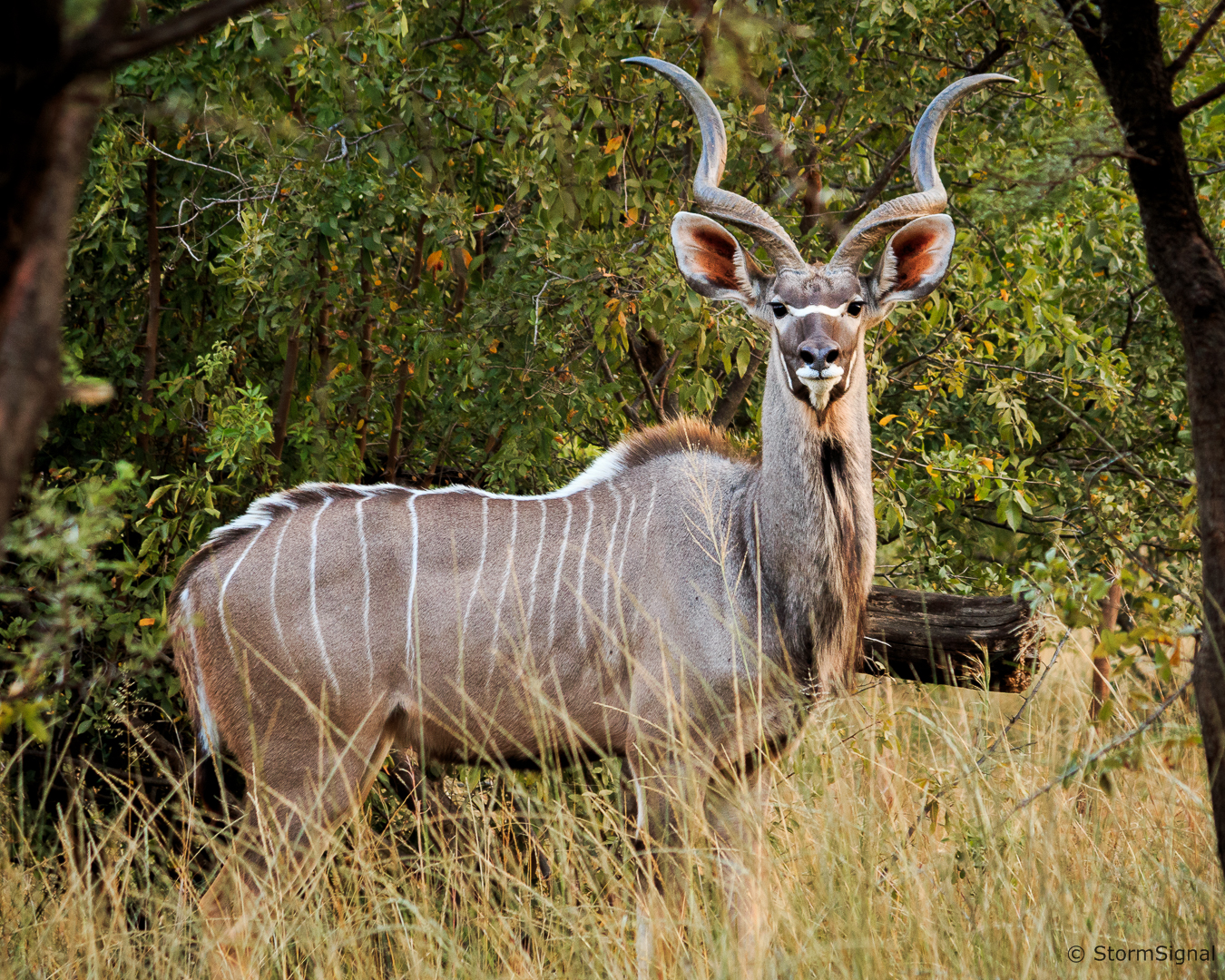
Kudu are large, beautiful antelopes found in Africa. There are two main types: the greater kudu and the lesser kudu. Greater kudus are taller, measuring up to 1.2 meters (4 feet) at the shoulder, while lesser kudus are a bit smaller. Both have long, twisted horns, especially the males! 🌍Kudus live in woodland and savanna areas, where they can often be seen browsing on leaves and plants. They are shy animals that enjoy standing still to blend in with their surroundings. 🦌Kudu are known for their graceful movements and stunning stripes, making them a favorite among wildlife watchers!
Explore with ChatDinoKey Points
Did you know that a kudu's ears can move independently?
Currently, the greater kudu is classified as "Near Threatened" by the International Union for Conservation of Nature (IUCN) due to habitat loss and hunting.
Kudu play an important role in the cultures of many African communities.
Kudu are herbivores, which means they eat plants!
Kudu are found across eastern and southern Africa.
Kudu are known for their impressive horns and striking appearance.
Kudu are seasonal breeders, which means they mate during specific times of the year.
Kudu are generally shy and very alert animals.
Photos of Kudu

A female greater kudu

Greater kudu male with females


Fleeing Kudu at Etosha National Park in Namibia

🐾 Interesting Facts
Did you know that a kudu's ears can move independently? 🐾This helps them hear sounds from all around them! Additionally, kudus are known to be excellent jumpers, able to leap over obstacles in their path. They can jump distances of up to 9 meters (30 feet)! 😲Finally, greater kudus can run at speeds of about 60 km/h (37 mph) to escape predators! Such amazing animals contribute to the vibrant biodiversity of Africa while captivating the hearts of those who observe them. 🌿
Go deeper🌍 Conservation Status
Currently, the greater kudu is classified as "Near Threatened" by the International Union for Conservation of Nature (IUCN) due to habitat loss and hunting. 🌍The lesser kudu is slightly less common and also faces similar threats. Conservation efforts are in place to protect these beautiful animals, including creating reserves and national parks. Organizations work hard to ensure their habitats are safe and that populations can thrive. 🏞️ These efforts not only help kudus but also protect other wildlife in the same regions!
Go deeper🦌 Cultural Significance
Kudu play an important role in the cultures of many African communities. 🦌Their impressive horns are often used in traditional ceremonies and trade. Kudu hide is used to make clothing and accessories, showcasing their beauty. In some cultures, kudus symbolize grace and elegance. They also appear in stories, art, and folklore, illustrating their significance in the African landscape. 🎨Artists often depict these majestic creatures in paintings, helping to raise awareness about the importance of wildlife conservation!
Go deeper🌱 Diet And Feeding Habits
Kudu are herbivores, which means they eat plants! 🌱Their favorite foods are leaves, sprouts, and grasses, mostly found in the trees and bushes of their habitat. Greater kudus usually feed higher up in trees, while lesser kudus stay closer to the ground. They have very flexible lips that help them grab leaves and branches easily. Kudus often graze in the early morning or late evening when it's cooler, which helps them save energy. They also need to drink water regularly, often visiting waterholes in the dry season! 💧
Go deeper🌳 Habitat And Distribution
Kudu are found across eastern and southern Africa. Greater kudus prefer open woodlands and savannas, which can be found in countries like Botswana, Tanzania, and Namibia. 🌳Lesser kudus are located in bushy areas and thickets, mainly in parts of Kenya, Ethiopia, and Somalia. These antelopes like to stay near water sources, where they can drink without fear! They tend to avoid areas with lots of predators, such as lions and hyenas. 🦁Both species are great at hiding among trees and bushes, using their striped coats as camouflage in the wild!
Go deeper😮 Physical Characteristics
Kudu are known for their impressive horns and striking appearance. The males of the greater kudu have long, spiral horns that can grow up to 1.8 meters (6 feet) long! 😮The lesser kudu's horns are shorter and also spiral but are about 90 centimeters (3 feet) long. Their coats are a beautiful gray or brown color, with white stripes running from their eyes down their bodies, which help break up their shape in the wild. 🎨They also have large ears that can swivel to hear sounds from different directions. Kudu are truly magnificent animals!
Go deeper🦌 Reproduction And Life Cycle
Kudu are seasonal breeders, which means they mate during specific times of the year. 🦌The female kudu has a gestation period of about 7 months before giving birth. Usually, a single calf is born, and it weighs around 10 kilograms (22 pounds)! 🐐The newborns are very vulnerable, so mothers often hide their young in tall grass to protect them from predators. After a few weeks, the calf joins the herd, learning to graze and blend in. Kudus can live up to 7-8 years in the wild and even longer in protected areas like national parks. 🌳
Go deeper🦌 Behavior And Social Structure
Kudu are generally shy and very alert animals. 🦌They usually live in small groups called herds, which can include females and their young. Males tend to be more solitary or may form small bachelor groups when they get older. Kudus are great jumpers and can leap up to 3 meters (10 feet) high to escape predators! 😮They’re known for being social animals, often communicating with each other through body language and soft sounds. If they sense danger, they will stand still, making it hard for predators to spot them among the trees!
Go deeper