Komitas Facts For Kids
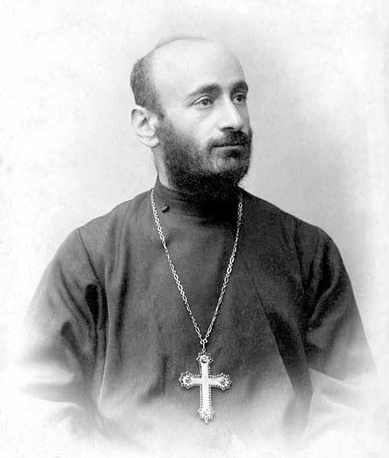
Komitas, born Soghomon Soghomonian, was an influential Ottoman-Armenian priest and musicologist known as the father of Armenian music for his dedication to preserving and promoting Armenian musical traditions.
Select reading age
Komitas Facts For Kids
Videos & Quizzesincluded
About this topic
Komitas, whose real name was Soghomon Soghomonian, was a famous Armenian musician born in 1869 in the village of Kutahya, Turkey. 🎵He was a priest, but he loved music even more! Komitas is often called the father of Armenian music because he wanted to help everyone appreciate it. He collected and wrote down many old Armenian songs and made them popular again. He did all this amazing work until his death in 1935. Did you know that people still listen to his music today? It helps us remember Armenian culture and traditions! 🇦🇲✨
Explore with ChatDinoKey Points
After he passed away in 1935, Komitas received many honors to celebrate his contributions!
Many places honor the memory of Komitas!
Komitas was born into a big family with many siblings!
Komitas was a pioneer in the study of folk music, called ethnomusicology!
As a young man, Komitas became a priest in the Armenian Church.
Some of Komitas's most famous works are his choral pieces and folk song arrangements!
Komitas had a significant impact on Armenian culture!
Komitas changed the world of Armenian music!
The time when Komitas lived was very difficult for Armenians.
Komitas’s legacy is huge!
Photos of Komitas

Komitas — photo 1

Komitas — photo 2

Komitas — photo 3

Frederick William University, c. 1900

Komitas's "Gusan" choir in 1910

Komitas at Cairo in 1911

Statue of Komitas in Yerevan

Komitas on a 1969 Soviet Union postage stamp

Statue of Komitas in Vagharshapat
🏆 Posthumous Recognition
After he passed away in 1935, Komitas received many honors to celebrate his contributions! 🏆Musicians and cultural organizations created awards in his name, recognizing young talent in the field of music. His work was celebrated in concerts and music events across the world! Komitas's name is often remembered during special events, showing how important he is to Armenian culture. People even create new arrangements and performances based on his music, ensuring that his legacy lives on brightly for future generations! 💫
Go deeper🕊️ Tributes And Memorials
Many places honor the memory of Komitas! 🕊️ There are schools, streets, and statues named after him, reminding people of his impact. One of the most famous places is the Komitas Museum-Institute in Yerevan, Armenia, where visitors can learn all about his life and music! 🎨Various music festivals featuring Armenian music also pay tribute to him, showcasing performances of his works. Every year, people gather to remember and celebrate Komitas, making sure everyone knows about the wonderful legacy he left behind in the world of music! 🎊
Go deeper🏡 Early Life And Education
Komitas was born into a big family with many siblings! 🏡He loved music from a young age. When he was a teenager, he traveled to the city of Izmir to study. There, he learned about music and became a good singer. Later, he moved to the city of Berlin, Germany, to study even more! 🎓He learned about different styles of music and met many other musicians. His studies helped him understand the importance of preserving Armenian songs when he got older. Komitas worked very hard to share the beauty of Armenian music with everyone!
Go deeper📚 Ethnomusicology And Research
Komitas was a pioneer in the study of folk music, called ethnomusicology! 📚He traveled around Armenia and collected songs from villagers, preserving them for future generations. This was important because many traditional songs were at risk of being forgotten. By documenting these tunes, he helped keep Armenian culture alive! Komitas wrote many articles and shared his knowledge with others, teaching them about the significance of music and traditions. His research opened doors for new musicians and scholars to explore the beautiful sounds of Armenia! 🌏🎤
Go deeper⛪️ Religious Role And Priesthood
As a young man, Komitas became a priest in the Armenian Church. ⛪️ Being a priest was important to him because he wanted to help people and share his faith. He combined his love for music with his religious duties by singing in church and leading choirs. His role as a priest allowed him to reach more people with his music. Komitas believed that music could bring people together and make them feel happy. By singing in the church, he spread joy and connected with his community through beautiful melodies! 🌈
Go deeper🎼 Notable Works And Compositions
Some of Komitas's most famous works are his choral pieces and folk song arrangements! 🎼He transformed traditional melodies into beautiful performances that everyone could enjoy. A well-known piece of his is "Giligia," which is filled with rich harmonies. Another shining example is "Krounk," a song about an innocent girl. He also wrote many liturgical pieces for the Armenian Church, celebrating faith through music. These creations are still performed today, bringing people together and sharing the beauty of Armenian culture! 🎤🙌
Go deeper🎉 Cultural Impact And Recognition
Komitas had a significant impact on Armenian culture! 🎉His music helped many people celebrate their identity and traditions. Even after his death, his contributions were recognized around the world. Music lovers, historians, and students of music continue to study his works and find joy in them! Many composers were inspired by him, leading to a romantic revival in Armenian music. His influence can be heard at concerts and festivals that honor his memory and celebrate Armenian heritage! 🌏❤️
Go deeper🎶 Musical Contributions And Style
Komitas changed the world of Armenian music! 🎶He is best known for collecting and arranging traditional Armenian folk songs. His music is filled with beautiful melodies that show the richness of Armenian culture. Komitas believed that music is like a story, and he wanted to tell the stories of his people. He used different rhythms and sounds, making his compositions unique and lovely to listen to. His style combines old traditions with his creativity, inspiring many musicians even today! 🌟
Go deeper💔 Political Context And Challenges
The time when Komitas lived was very difficult for Armenians. 💔Many faced challenges because of their ethnicity and religion. During World War I, there was much hardship and many people suffered. This impact also affected Komitas, who witnessed the violence firsthand. He was deeply saddened, but his music became a way to express his feelings and connect with his people. Even in tough times, he kept working to share the beauty of Armenian music. His courage inspires us to stand strong during hard moments! 🌱
Go deeper🎉 Legacy And Influence On Armenian Music
Komitas’s legacy is huge! 🎉He is considered the founder of the Armenian national school of music. His work helped develop a deeper appreciation for Armenian music both in Armenia and around the world. After his death, many musicians continued his traditions, keeping his spirit alive through their performances. Today, his influence can be seen in many music festivals and events celebrating Armenian culture! Young musicians often look up to Komitas as a hero in music and a figure who helped keep their heritage strong. 🎸
Go deeper