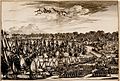
Kollam is a beautiful coastal city in Kerala, India, known for its backwaters, rich history, and thriving cashew industry.

Kollam is a beautiful city in the Indian state of Kerala 🌅! It sits by the Arabian Sea and is known for its stunning backwaters and coconut trees 🌴. Kollam is famous for its fishing industry and is also called the gateway to the backwaters of Kerala. The city has historical importance too, as it was once a flourishing trading port. The people here speak Malayalam, but many know English. Kollam is a vibrant place full of life, delicious food, and rich traditions. It’s a great spot for exploring nature and enjoying the magic of water! 🚤✨
Kollam has a fascinating history stretching back over 2,000 years! 📜It was a bustling trading port during ancient times, visited by travelers like Marco Polo, who wrote about the city's wealth in spices and diamonds. The name "Kollam" comes from the Sanskrit word "Kolamba," meaning a harbor. In 9th century AD, it became an important center for trade between India and other countries. Throughout the years, various dynasties, including the Portuguese and the Dutch, influenced its culture. The city played a crucial role during colonial periods and has many historical sites that tell these stories. 🏰
Kollam is packed with exciting places to visit! One must-see spot is Ashtamudi Lake, where you can take a boat ride and enjoy the peaceful surroundings 🚤. The beautiful beaches, like Kollam Beach, are perfect for playing in the sand and watching sunsets 🌅. Don't forget to visit the famous Tangasseri Lighthouse, which stands tall on the coast and offers stunning views! Another attraction is the historic Thangassery Fort, built by the Portuguese. And if you like temples, the beautiful Sarada Devi Temple is a must-see! Each spot tells a story and offers fun adventures! 🏖️🏰
Kollam has a diverse economy that is primarily based on agriculture, fishing, and trade 🐟. The city is well-known for its cashew nut processing industry, which is one of the largest in India. This means lots of yummy snacks for everyone! The fishing industry provides a significant source of income, with many boats going out daily to catch fish and other seafood 🍤. Tourism also plays a big role in Kollam's economy, attracting visitors who come for its backwaters, beaches, and festivals. Many people here work in the hospitality industry, welcoming tourists from around the world! 🌍
Kollam has a rich cultural heritage that includes festivals and traditional art forms 🎨. One of the biggest festivals is Onam, celebrated in August or September, which marks the harvest season. People wear new clothes, prepare delicious food, and enjoy boat races🚣. Kathakali, a classical dance-drama, is performed in Kollam, showcasing vibrant costumes and storytelling. Many temples in the area celebrate festivals with colorful decorations and rituals. The city is also famous for its unique cuisine, including seafood and traditional dishes like puttu and kadala curry 🍽️. Kollam’s culture is a beautiful mix of tradition and joy!
Kollam is located in southwestern India, right next to the Arabian Sea 🌊. It is part of Kerala, which is known for its lush green landscapes and beautiful backwaters. The city is built near a big lake called Ashtamudi Lake, which is famous for its rich biodiversity 🦆. Kollam experiences a tropical climate, meaning it is warm most of the year with a lot of rainfall during the monsoon season (June to September) ☔. The temperature usually ranges from 25°C to 35°C (77°F to 95°F). This warm climate helps the area's rice, spices, and coconuts grow abundantly! 🌾
Kollam has been the birthplace of many famous personalities! 🌟For example, Sir C.V. Raman was a Nobel Prize-winning physicist known for his groundbreaking work on light scattering. Another celebrated person is the poet and novelist, S. K. Pottekkatt, who has contributed greatly to Malayalam literature 📖. You'll also find famous politicians like Professor K. N. Raj, who was an economist, and former Chief Minister of Kerala, Oommen Chandy, hailing from this city. Their contributions have made an impact not just in Kollam, but across India! 🇮🇳
Kollam is home to some excellent educational institutions 📚. The city has schools, colleges, and universities that provide quality education to children and young adults. One of the prominent colleges is the Government College of Engineering, which is very popular among students. In recent years, there has been a focus on improving education, and many schools offer extracurricular activities like sports, music, and art 🎵🏀. Libraries and community centers help promote learning beyond traditional classrooms. Children often participate in science fairs and cultural events, making learning fun and engaging! 🌟
Kollam is well-connected and easy to get around! 🚗There are buses, trains, and even waterways for transport. The Kollam railway station is an important hub and connects the city to many places in India 🛤️. For those who love water travel, there are boat services in the backwaters, making it a unique experience! Roads are also well-maintained, with many good options for local buses and taxis. If you're planning a visit, you won't have trouble finding a way to explore this vibrant city! 😊
🌊 Kollam is located on the southwestern coast of India, along the Arabian Sea.
🏞️ It is known for its beautiful backwaters, making it a popular tourist destination.
🏰 Kollam is home to the famous Tangasseri Lighthouse, which was built by the British in 1902.
🚤 The city is a significant hub for cashew processing and export in India.
🏝️ Kollam has a rich history, once being a major trade center for spices and other goods.
🌳 The Ashtamudi Lake, located in Kollam, is the largest lake in Kerala and is a UNESCO World Heritage Site.
🏡 The city boasts numerous temples, including the renowned Sasthamkotta Lake Temple.
📰 Kollam is also known for being a significant center for education and healthcare in Kerala.
🍽️ The local cuisine features delicious seafood dishes and traditional Kerala fare.
🎣 Kollam hosts the annual Kollam Boat Race, attracting hundreds of participants and spectators.