Ketuvim Facts For Kids
Ketuvim is the third section of the Hebrew Bible, consisting of 11 diverse books that include poetry, philosophy, and history, reflecting Jewish culture and beliefs.
Select reading age

Ketuvim Facts For Kids
Videos & Quizzesincluded
About this topic
Ketuvim, also known as "Writings," is the third part of the Hebrew Bible 📜. It comes after the Torah (the first five books) and Nevi'im (the books of the Prophets). Ketuvim contains 11 books that include poetry, wisdom, stories, and songs. Some famous books you’ll find here are Psalms, Proverbs, and Esther. This collection helps Jewish people learn important lessons about life, love, and faith 🌟. It was written over many years and was inspired by different authors, including King David and King Solomon! So, Ketuvim is super important in understanding Jewish traditions and culture.
Explore with ChatDinoKey Points
Some of the major books in Ketuvim are Psalms, Proverbs, Job, and Ruth.
Ketuvim remains relevant today as its themes resonate with our lives!
Ketuvim explores many themes that are meaningful to people.
Ketuvim was written during different times in Jewish history, mainly between 1000 BCE and 200 CE 🕰️.
Ketuvim is different from the Torah and Nevi'im in many ways.
The impact of Ketuvim on global literature is significant!
The writing style in Ketuvim is quite varied!
Ketuvim plays an essential role in Jewish traditions and worship.
Scholars and teachers analyze Ketuvim to help people understand its meanings better 📚.
Photos of Ketuvim

A Bible handwritten in Latin, on display in Malmesbury Abbey, Wiltshire, England. This Bible was written in Belgium in 1407 AD, for reading aloud in a monastery.
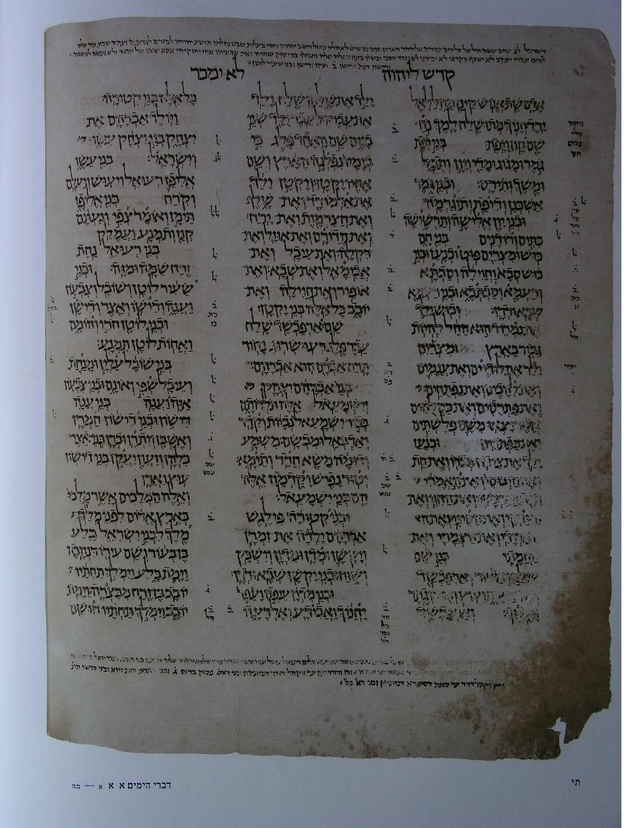
The Aleppo Codex from a facsimile edition. This file contains Ketuvim from the manuscript, including Chronicles, Psalms, Job, Proverbs, Ruth, and the beginning of the Song of Songs. The manuscript is missing the end of Ketuvim, including the rest of the Song of Songs, Ecclesiastes, Lamentations and Esther.
🎶 Major Books In Ketuvim
Some of the major books in Ketuvim are Psalms, Proverbs, Job, and Ruth. Psalms is a collection of songs that express feelings—like happiness and sadness 🎶. Proverbs contains wise sayings that teach about life, like "A friend loves at all times." The book of Job tells the story of a man who faced many hardships but never lost his faith 🌈. Ruth shares a beautiful story of loyalty and love, highlighting the importance of family. Each book has its own special lessons that readers can learn from!
Go deeper💓 Modern Relevance Of Ketuvim
Ketuvim remains relevant today as its themes resonate with our lives! People still turn to the Psalms when they feel happy or sad, finding comfort in its words 💓. Proverbs teaches values like kindness and honesty that are important for everyone, whether in school or home. The timeless stories of love and loyalty from Ruth inspire friendships and family relationships. By studying Ketuvim, we learn valuable lessons that can help us navigate challenges, making it an essential part of both history and modern life!
Go deeper💞 Themes And Motifs In Ketuvim
Ketuvim explores many themes that are meaningful to people. Some major themes include love, faith, friendship, and the search for wisdom 💞. For example, the book of Psalms often talks about God’s love and support during tough times. The book of Proverbs teaches about being kind and wise in our everyday actions. Throughout Ketuvim, you find motifs, like the “tree of life," that symbolize strength and growth 🌳. These themes invite readers to reflect on important life lessons and foster personal connection.
Go deeper🕰️ Historical Context Of Ketuvim
Ketuvim was written during different times in Jewish history, mainly between 1000 BCE and 200 CE 🕰️. Some books were created after the Babylonian Exile when the Jewish people returned to their homeland. They faced many challenges, like rebuilding their temple in Jerusalem. This period greatly influenced the themes and stories in Ketuvim. The writers wanted to encourage hope, faith, and wisdom for future generations ✨. Over the years, these texts were carefully selected and included in the Hebrew Bible, helping preserve Jewish culture and beliefs.
Go deeper📖 Comparison With Torah And Nevi'im
Ketuvim is different from the Torah and Nevi'im in many ways. The Torah consists of the laws and teachings that guide Jewish life, while Nevi'im focuses on the messages from prophets like Isaiah and Jeremiah 📖. In contrast, Ketuvim captures a more diverse range of writings, including poetry, songs, and stories. While Torah tells the "how-to" of Jewish life, and Nevi'im speaks to the past and future, Ketuvim addresses emotions, wisdom, and personal experiences. Together, they create a complete picture of Jewish culture and teachings!
Go deeper🖋️ Influence Of Ketuvim On Literature
The impact of Ketuvim on global literature is significant! Many authors and poets have drawn inspiration from its themes, stories, and styles 🖋️. Writers like William Blake and Emily Dickinson created works that echo the beauty in the Psalms. Also, movie makers often tell stories similar to those from Ruth or Job! The exploration of universal themes like love and suffering makes Ketuvim relatable to many. By shaping ideas about morality and personal struggles, Ketuvim continues to influence writers from all cultures.
Go deeper🎨 Literary Characteristics Of Ketuvim
The writing style in Ketuvim is quite varied! Some books are full of poetry, like Psalms, which uses beautiful language and rhythms 🎨. Others, like Proverbs, are written in a simple, direct way to convey wisdom quickly. The stories in Ruth and Job have deep characters and exciting plots 🦸♂️. Ketuvim also includes metaphors, which are comparisons that help paint vivid images in our minds. These various styles make Ketuvim entertaining and educational, as they engage readers with different forms of storytelling!
Go deeper🕍 Role Of Ketuvim In Jewish Tradition
Ketuvim plays an essential role in Jewish traditions and worship. Many passages are recited during prayers or special occasions 🕍. For example, Psalms are often sung at festivals, and Proverbs are taught to children to encourage good behavior. The storytelling in Ketuvim helps preserve Jewish history and cultural identity. Furthermore, the wisdom found in these texts guides Jewish people on how to live a meaningful life. Thus, Ketuvim helps families connect, learn, and celebrate their faith together!
Go deeper📚 Interpretation And Commentary On Ketuvim
Scholars and teachers analyze Ketuvim to help people understand its meanings better 📚. They create commentaries that explain tough passages, give historical context, and share interesting insights. This is important because it sparks discussions and deeper thinking about the texts! For example, people reflect on what the book of Job teaches about suffering and faith. Engaging with these commentaries allows readers to appreciate the riches found in Ketuvim and apply the lessons to their own lives.
Go deeper