Kati Thanda–lake Eyre Facts For Kids
Kati Thanda–Lake Eyre is an extraordinary endorheic lake in South Australia, known for its vast saltpan and cultural significance to the Arabana people.
Select reading age
Kati Thanda–lake Eyre Facts For Kids
Videos & Quizzesincluded
About this topic
Kati Thanda–Lake Eyre is a huge lake located in South Australia! 🌊It is known as an endorheic lake, which means it doesn’t flow into the ocean. Instead, it collects rainwater and river water! The lake is the largest one in Australia and sometimes it can appear completely dry—imagine a big swimming pool with no water! When it does fill up, it’s a beautiful sight filled with salt and even some fish. The lake is named “Kati Thanda” by the local Indigenous people, who have a strong connection to this land.
Explore with ChatDinoKey Points
Kati Thanda–Lake Eyre is home to unique plants and animals!
In 1840, explorer Edward John Eyre became the first European to see Lake Eyre!
Kati Thanda–Lake Eyre is found about 700 kilometers north of Adelaide, the capital of South Australia.
Scientists study Kati Thanda–Lake Eyre to understand more about ecosystems and climate!
Kati Thanda–Lake Eyre holds great importance to the local Indigenous people, known as the Arabana.
Kati Thanda–Lake Eyre was formed millions of years ago!
Kati Thanda–Lake Eyre is a fantastic spot for ecotourism!
The climate around Kati Thanda–Lake Eyre is very dry and hot!
The nearby communities rely on Kati Thanda–Lake Eyre for their way of life!
Despite its beauty, Kati Thanda–Lake Eyre faces some challenges.
Photos of Kati Thanda–lake Eyre

Kati Thanda–lake Eyre — photo 1

Kati Thanda–Lake Eyre seen from an aircraft, showing pink colouration from algae

Kati Thanda–Lake Eyre salt crust

Campbell plaque at Level Post Bay

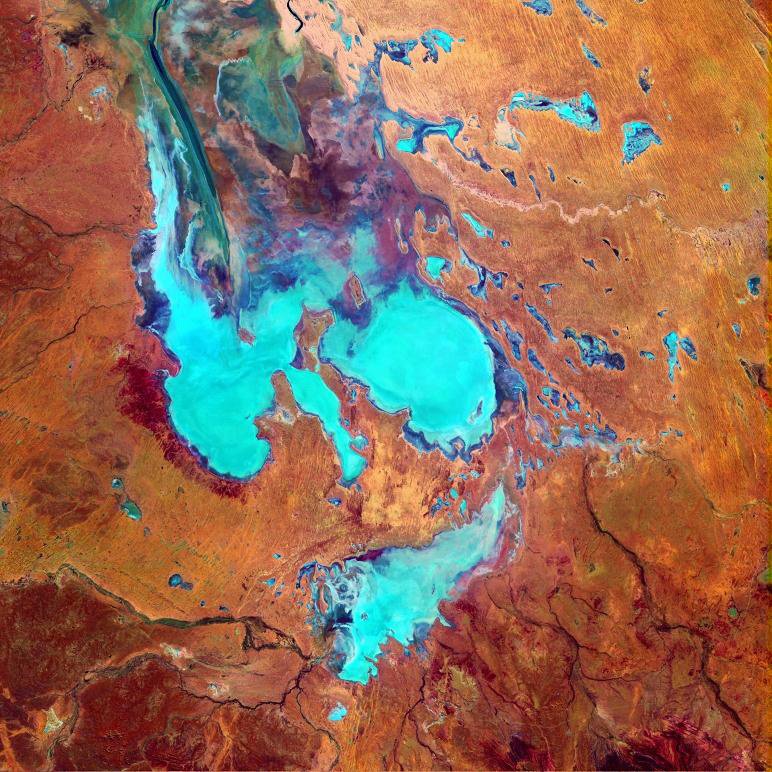
Lake Eyre in 1990, as seen from the Space Shuttle Columbia

Map of the shape and depth (bathymetry) of the lake, 2020
🌼 Flora And Fauna
Kati Thanda–Lake Eyre is home to unique plants and animals! 🌼Some plants can survive in the salty water, like samphire and saltbush. They’re tough little plants! The lake attracts many birds, like the Australian pelican and the black-winged stilt, who come to fish for food. 🦩When it fills with water, it becomes a lively place buzzing with life! The surrounding area also has kangaroos, emus, and lizards, making it a fun place to explore if you take a visit!
Go deeper🧭 Historical Events
In 1840, explorer Edward John Eyre became the first European to see Lake Eyre! 🧭He traveled through the area searching for new land and called it Lake Eyre after himself. Over the years, more explorers and settlers came to this unique area. In 1977, the lake had a large flood that filled it completely for the first time in over a decade! These events show how special the lake is and how it has changed over different seasons and years due to water flow and rain patterns.
Go deeper🌏 Geographic Location
Kati Thanda–Lake Eyre is found about 700 kilometers north of Adelaide, the capital of South Australia. 🌏It’s located in the Far North region and is surrounded by the stunning outback landscape. The lake is so big that when it fills up, it covers about 9,500 square kilometers! That’s like filling up about 30 times the size of Manhattan! The lake is especially special because it's in an area that gets very little rain and can sometimes be completely dry for many years.
Go deeper🔬 Scientific Research
Scientists study Kati Thanda–Lake Eyre to understand more about ecosystems and climate! 🔬They observe how the lake fills and dries, which helps them learn about climate change and its effects. Researchers also study the unique animals and plants living there, focusing on how they adapt to the salty environment. This research is important because it teaches us how to protect other fragile ecosystems in our world. 📚Many studies help ensure that Kati Thanda remains a healthy habitat for future generations!
Go deeper🌿 Cultural Significance
Kati Thanda–Lake Eyre holds great importance to the local Indigenous people, known as the Arabana. 🌿They have lived in this area for thousands of years and have many stories, songs, and traditions connected to the lake. The name “Kati Thanda” means “Lake Kati” in the Arabana language. It’s a place where they gather to celebrate culture and conduct ceremonies. Through their connection to the land, the Arabana people teach us the value of respecting nature and maintaining balance with the environment.
Go deeper🌌 Formation And Hydrology
Kati Thanda–Lake Eyre was formed millions of years ago! 🌌It began as a river that changed course over time, leaving behind a large basin. During heavy rainfall, the lake collects water from nearby rivers like the Warburton and the Peake. This makes it a vital place for the local ecosystem! The water in the lake is very salty because it evaporates quickly under the hot sun. 💧When it rains, you can see amazing natural events, like colorful patterns created by the salt!
Go deeper🌍 Ecotourism And Activities
Kati Thanda–Lake Eyre is a fantastic spot for ecotourism! 🌍People from all over the world visit to see the water, birds, and beautiful landscapes. Tourists can take exciting flights over the lake for breathtaking views! 🚁Popular activities include birdwatching, photography, and hiking along the trails surrounding the lake. It’s a great way to enjoy nature and learn about the environment while keeping it safe! There are also Indigenous cultural tours, where visitors can learn from local people about their history and traditions.
Go deeper☀️ Climate And Weather Patterns
The climate around Kati Thanda–Lake Eyre is very dry and hot! ☀️ It has a desert climate, with summer temperatures soaring above 40°C (104°F)! Most of the rain falls between April and October, but sometimes it can stay dry for years! This creates the lake's endorheic nature. When it does rain, the water fills the lake quickly, creating a beautiful sight! The weather is an important part of the lake’s story, making it an ever-changing environment—sometimes dry, sometimes full of life!
Go deeper🌼 Local Communities And Economy
The nearby communities rely on Kati Thanda–Lake Eyre for their way of life! 🌼The Arabana people are the traditional custodians of the area. Tourism helps support local businesses, like guided tours and souvenirs. Agriculture is also important, with nearby farms producing crops for markets. The lake attracts visitors who spark curiosity and interest in the local culture. By working together, the locals and visitors help keep the economy strong while caring for this special place! 🤝
Go deeper🌿 Threats And Conservation Efforts
Despite its beauty, Kati Thanda–Lake Eyre faces some challenges. Pollution and climate change can harm the delicate ecosystem. 🌿Conservationists work hard to protect the lake and its surrounding area by promoting sustainable practices and educating the public. Community programs help conserve water resources and protect wildlife habitats. The Arabana people also play a crucial role in conservation, sharing their traditional knowledge to keep the lake safe. Together, with scientists and locals, they ensure Kati Thanda continues to thrive! 🌱
Go deeper