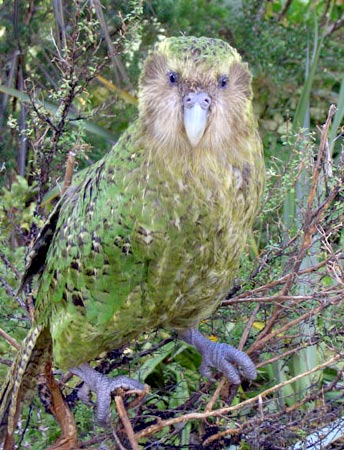
The kākāpō, also known as the owl parrot, is a large, nocturnal, ground-dwelling parrot native to New Zealand that is critically endangered.
Set reading age
View for Kids
Easy to read and understand
View for Students
Clear, detailed explanations
View for Scholars
Deep dives and big ideas
The kākāpō 🦜 is a really special type of parrot! It is known as the owl parrot because of its unique face, resembling an owl. Found only in New Zealand 🇳🇿, this bird is different from other parrots because it can’t fly. Instead, it spends its time on the ground, which makes it a quirky and interesting creature! Kākāpō are also nocturnal, meaning they are active at night, and during the day they rest in trees or bushes. Sadly, they are one of the most endangered birds in the world, but there are lots of people working to save them! 🌍
Did you know that kākāpō can weigh as much as a small dog? 🐶They have a unique way of moving; instead of flying, they waddle or hop! Kākāpō also have the ability to live without drinking water because they get all the moisture they need from their food. When they feel threatened, they sometimes freeze in place, thinking they'll blend into their surroundings! With their silly antics and nocturnal habits, there’s never a dull moment with kākāpō! 🌙✨
Kākāpō are critically endangered, which means there are very few left in the wild. In the 1990s, there were only about 50 kākāpō! Thanks to hard work from conservationists, the population has grown gradually. As of now, there are around 250 kākāpō living in special protected areas. Conservationists are doing amazing things like creating safe habitats and feeding them to help them increase their numbers. Let’s hope they continue to thrive and one day share the skies of New Zealand again! 🌿
Kākāpō face many challenges that make it hard for them to survive. Introduced predators like rats, stoats, and cats 🐱 threaten their nests and young chicks. Loss of habitat due to farming and deforestation also affects their food sources. They are slow to reproduce, so even small threats can have a big impact. Protecting their habitats and taking care of these iconic birds is vital to ensuring they don’t disappear. Without our help, they could be lost forever! ⚠️
In Māori culture, the kākāpō is known as "kākā pō," which means "night parrot." It holds an important place in their stories and traditions. The kākāpō is a symbol of nature and the richness of New Zealand's biodiversity. Māori people helped care for the kākāpō long before conservation efforts began. Today, many New Zealanders join in celebrating and protecting the kākāpō as a treasure of their heritage! Isn’t it wonderful how a bird can bring people together? 🥰
Kākāpō are herbivores, which means they eat only plants 🌱. Their diet includes fruits, seeds, flowers, and leaves. Some favorite foods are the fruit of the rimu tree and the flowers of the kahikatea tree. Kākāpō use their strong beaks to break open tough food and will spend a lot of time looking for the best snacks. They can eat huge amounts of food and are known to enjoy a feast when winter arrives! Isn't it fun to imagine them munching on tasty plant treats? 🍽️
Kākāpō are native to New Zealand 🇳🇿, where they once roamed many forests. They especially love living in dense, shrub-filled areas called scrublands. Their homes can be found on some offshore islands like Codfish Island and Anchor Island. These locations are perfect for them because there are fewer predators and lots of food. Kākāpō prefer to stay hidden among trees, which is important for keeping them safe. Today, conservationists are working hard to protect their habitats and help them thrive again! 🌳
Kākāpō are large parrots, about the size of a cat 🐱. They usually weigh between 2-4 kg (4.4-8.8 lbs). Their feathers are a beautiful green-yellow color, helping them blend into the forest. Kākāpō have strong beaks that help them eat tough plants and seeds. They also have a special facial disc that makes them look a bit like an owl! This facial structure helps them hear better, which is useful since they are active at night. Their legs are strong and well-built for walking on the ground. Can you imagine a parrot that looked like this? 💚
Kākāpō breed only every 2-4 years, depending on food availability. During courtship, male kākāpō compete by making loud booming calls to impress females. Females usually lay 1-4 eggs in a burrow, and they take care of the chicks by themselves. The baby kākāpō stay with their mother for several months after hatching. Kākāpō can live a long time—over 60 years! That's quite a long life, right? With proper care, they can grow old among the beautiful forests of New Zealand! 🎂
Thanks to conservationists, kākāpō populations have slowly started to increase! They are carefully monitored and protected on offshore islands where predators cannot reach them. Special breeding programs where volunteers help take care of the eggs and chicks are in place. People are working to release more kākāpō back into the wild safely. Schools and communities also help by learning about kākāpō and spreading awareness. Every effort counts in saving these incredible birds! 🌈
Kākāpō are very social birds! They live in small groups called flocks but have a unique way of communicating. Male kākāpō make a "booming" noise to attract females during the breeding season. This sound can be heard over a long distance! They also spend a lot of time grooming each other, which helps them bond and stay clean. Kākāpō are curious and playful, often exploring their surroundings. Even if they can’t fly, they are great at climbing trees to play and find food! 🕊️


DIY is a creative community where kids draw, build, explore ideas, and share.
No credit card required