Juana I Of Castile Facts For Kids
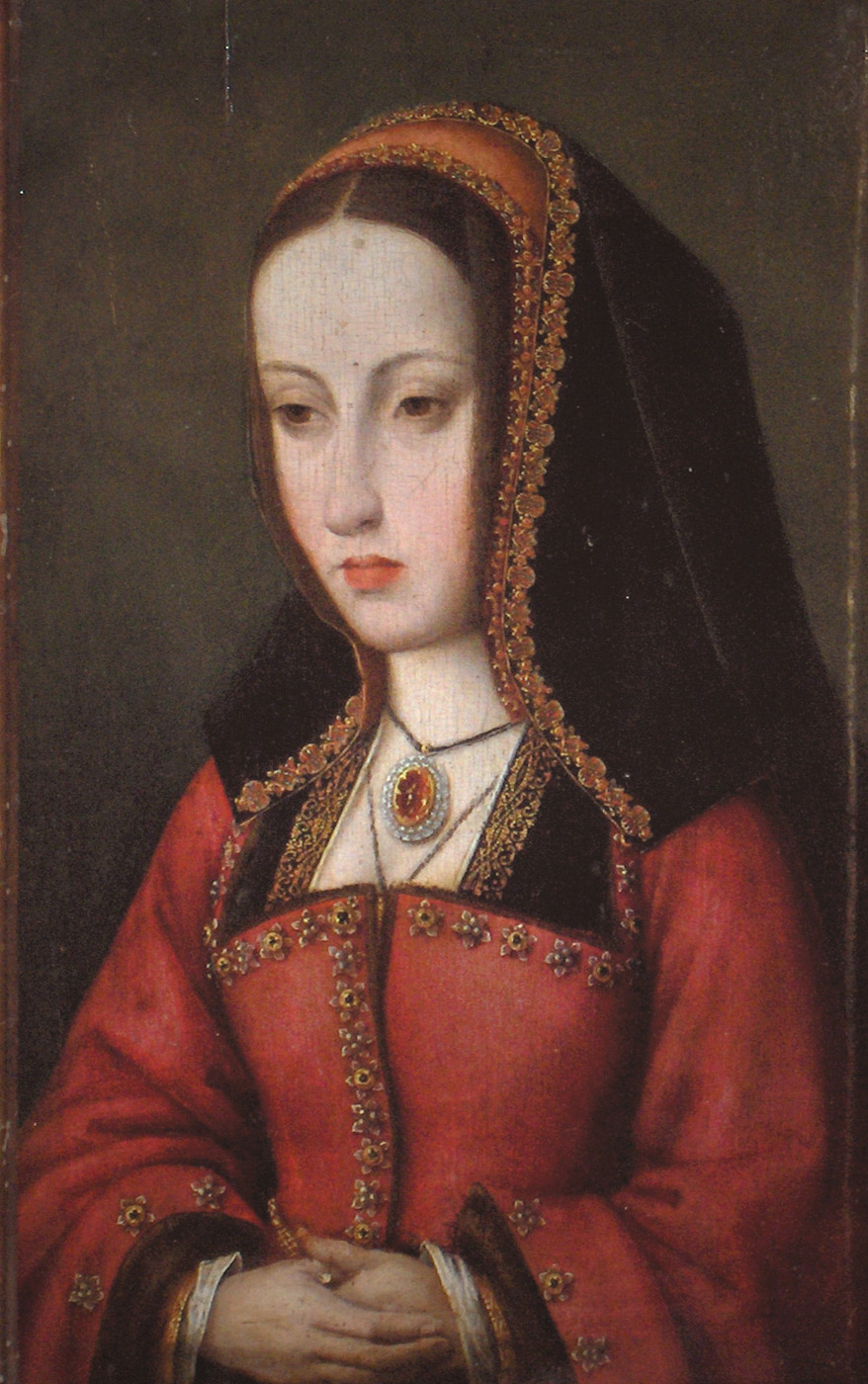
Juana I of Castile, also known as Joanna the Mad, was the nominal queen of Castile from 1504 and queen of Aragon from 1516 to her death in 1555, known for her struggles with mental health and political conflicts.
Select reading age
Juana I Of Castile Facts For Kids
Videos & Quizzesincluded
About this topic
Juana I of Castile, known as Joanna the Mad, was a queen in Spain! 🇪🇸 She was born on November 6, 1479, in Alcalá la Real. Juana became the queen of Castile after her mother, Isabella I, passed away in 1504. Even though she had power, Juana faced many challenges during her reign, including struggles from her family and advisors. Many people thought she was "mad" because she had a hard time coping with many sad events, including her husband's death. Juana's life is filled with adventure, love, and struggles that shaped Spanish history! 📚
Explore with ChatDinoKey Points
Juana's life has inspired many books, movies, and plays!
After Juana's mother died, her husband, Philip the Handsome, took charge for a while.
Juana's mother, Isabella I, passed away on November 26, 1504.
Juana officially became queen of Castile in 1504.
Juana's mental health has been debated by many historians.
Juana's life deeply influenced Spanish politics!
Juana was born to powerful parents, King Ferdinand II of Aragon and Queen Isabella I of Castile.
Juana's legacy is a mix of admiration and misunderstanding.
Juana's marriage to Philip I was not just a love story; it was important for politics!
Juana had six children, but only three survived to adulthood.
Photos of Juana I Of Castile

The marriage contract of Joanna and Philip (1496).

Joanna of Castile and Philip the Fair, stained glass, Basilica of the Holy Blood in Bruges.

The Capilla Real in Granada, where Joanna is entombed
🎭 Cultural Depictions
Juana's life has inspired many books, movies, and plays! 🎭Authors often create stories that show her struggles and triumphs. In 2009, a Spanish film called "Juana la Loca" explored her life and love for Philip. Her story captivates audiences by blending love, sadness, and power. 💔Today, many people celebrate Juana I for her fascinating story and the lessons we can learn about leadership and love. She remains a popular character in Spanish culture, inspiring artists to share her incredible journey! 📖
Go deeper🏰 Struggles For Power
After Juana's mother died, her husband, Philip the Handsome, took charge for a while. 🏰He wanted to control Castile, but Juana was the queen! Juana often felt sad and confused. This led to her being called "mad." When Philip died unexpectedly in 1506, Juana was heartbroken. 💔Sadly, her father Ferdinand took control after that. Juana was placed in "house arrest" because many people were scared of her feelings. Even though she was a queen, her life was mostly controlled by others.
Go deeper😢 The Death Of Isabella I
Juana's mother, Isabella I, passed away on November 26, 1504. 😢This was a very sad event for Juana. Isabella had been a strong queen and a loving mother. After her death, Juana became queen of Castile. However, people thought she could not lead because she was too emotional. This added to the belief that Juana was "mad." Many important noblemen started to care more about power than Juana, which made her feel even more alone. Her mother's death changed Juana's life forever!
Go deeper👑 Reign As Queen Of Castile
Juana officially became queen of Castile in 1504. However, she had little power. 👑Her father, Ferdinand, and later her son, Charles V, controlled the kingdom. Juana's reign was filled with sadness and struggles, as she had to fight to be seen as the true queen. During her time, Spain faced many changes, including exploration and conquests in the New World 🍫🌎. Despite being sidelined, Juana always wanted to lead her kingdom. Many people viewed her as a figurehead rather than a true queen.
Go deeper🧠 Mental Health And Competence
Juana's mental health has been debated by many historians. 🧠Some believe she struggled with severe sadness and anxiety. After Philip's death, she refused to leave his body, believing he was still alive. People thought this showed her madness, but it could be natural grief. Historically, people often misunderstood mental illness. Juana faced many losses, which affected her well-being. However, many experts also say she was very intelligent and capable. Juana had to navigate a complicated situation without much support! 🕊️
Go deeper✨ Influence On Spanish Politics
Juana's life deeply influenced Spanish politics! ✨When she became a queen, her children also played significant roles. Her son, Charles V, became the Holy Roman Emperor and ruled vast territories! Juana wanted her kingdom to be powerful, but her family often overshadowed her. Some historians believe that her reign highlighted the struggles of women in leadership. Even though she faced many challenges, she remains an important figure in the history of Spain, representing both strength and vulnerability!
Go deeper🤴 Early Life And Family Background
Juana was born to powerful parents, King Ferdinand II of Aragon and Queen Isabella I of Castile. They helped unite Spain! 🤴👸 Juana had a big family. She had four siblings, including her famous brother, John, who died when he was young. Juana grew up in a beautiful palace in Spain, and her parents wanted her to marry a strong prince to help Spain. At the age of 16, she married Philip the Handsome, the son of the Holy Roman Emperor. This marriage was a big deal because it would connect two important royal families! 💖
Go deeper💫 Legacy And Historical Perception
Juana's legacy is a mix of admiration and misunderstanding. 💫Some see her as a tragic figure who lost power and was misunderstood. Others study her life to learn about mental health struggles in the past. Her story shows how women leaders were often judged differently than men. Today, Juana is recognized for her strength and resilience. While many people thought she was mad, others appreciated her love for her family and her commitment to her kingdom. Juana's life teaches us to look beyond labels and understand complex histories!
Go deeper💍 Marriage And Political Alliances
Juana's marriage to Philip I was not just a love story; it was important for politics! 💍They married in 1496 to join the kingdoms of Spain and the Netherlands. Their union created a powerful alliance. Philip was charming and handsome, but it was hard for Juana because she loved him so much. 💔After they married, they had six children. Their first child, Leonor, was born in 1498. Juana had to navigate court politics, all while caring for her family. Their marriage created strong ties, but it also brought many complications.
Go deeper🌟 Juana's Children And Their Impact
Juana had six children, but only three survived to adulthood. 🌟These children played crucial roles in history! Her most famous son, Charles V, became a powerful ruler in Europe. Juana's children helped spread her family's influence throughout Spain and across Europe! ⚔️ They continued her legacy, becoming kings and queens in their own right. Juana's love for her children was evident, and their fates were intertwined with the future of Spain and beyond. Her family shows how royal legacies carry on through generations! 🏰
Go deeper