Isatis Tinctoria Facts For Kids
Isatis tinctoria, commonly known as woad, is a flowering plant in the Brassicaceae family, recognized for its brilliant blue dye and historical medicinal uses.
Select reading age
Isatis Tinctoria Facts For Kids
Videos & Quizzesincluded
About this topic
Isatis tinctoria, commonly known as woad 🌱, is a fascinating plant that has been around for thousands of years! It is part of the Brassicaceae family, which includes vegetables like cabbage and broccoli. Woad is famous for its beautiful blue dye, which comes from its leaves. People have used this plant to create colorful fabrics for clothing. Woad is native to Europe and Western Asia, and it has a long history in art and culture as a dyeing agent. This plant not only gives us color but also has interesting health and ecological benefits! 🌍💙
Explore with ChatDinoKey Points
Although woad is mainly known for its dye, it has some edible uses too!
Woad is famous for being one of the oldest sources of blue dye!
The scientific name for woad is Isatis tinctoria.
Woad is not just pretty; it has been used for its medicinal properties for many years!
Woad is a unique-looking plant!
Woad has a rich cultural history!
Woad plays a special role in nature!
Woad grows in many places!
To grow woad, you need to plant its seeds in spring!
Photos of Isatis Tinctoria


Fruits of Isatis tinctoria

The tapestry series The Hunt of the Unicorn (here No. 6: The Unicorn is Killed and Brought to the Castle, c. 1500), was dyed with weld (yellow), madder (red), and woad (blue).

Illustration of German woad mill in Thuringia, 1752.

Steps of the leaves to the blue dye.

Woad merchant Pierre Assézat's 16th-century mansion in Toulouse.

Indigo extracted from woad
🌱 Culinary Uses
Although woad is mainly known for its dye, it has some edible uses too! 🌱The young leaves can be eaten in salads or cooked like spinach. However, you should always check with an adult to ensure it’s prepared correctly before eating it! 😋Woad doesn’t have a strong flavor but can add some nutrients to your diet. Historically, it was also used in traditional dishes in Europe, especially among herbalists, who valued its leaves for their color and medicinal properties. 🍽️
Go deeper💙 Uses In Dyeing
Woad is famous for being one of the oldest sources of blue dye! 💙In ancient times, people used woad leaves to create beautiful blue cloth and paint. The dyeing process involves crushing the leaves, soaking them in water, and then using the liquid to dye fabrics. 🌊Woad was used by the Celts and even by the Vikings! These cultures prized the bright blue color for their clothing. Today, natural dyes like woad are becoming popular again due to their eco-friendliness and beautiful tones. 🎨
Go deeper🌿 Taxonomy And Naming
The scientific name for woad is Isatis tinctoria. 🌿"Isatis" comes from the Greek word "isate," which means "to dye." "Tinctoria" means "dye" in Latin. Woad belongs to the Brassicaceae family, making it a relative of popular veggies like kale and turnips! 🌼You can also find other names for woad like dyer's woad, dyer's-weed, and glastum. Its long history means it has been loved by many cultures, especially in Europe, where it was used as a dye before the discovery of synthetic colors. 👗
Go deeper🌿 Medicinal Properties
Woad is not just pretty; it has been used for its medicinal properties for many years! 🌿Ancient people believed it could help with cuts, bruises, and skin conditions. They made poultices (a type of healing paste) from its leaves to apply to the skin. 🌼In traditional medicine, woad was thought to boost immunity and treat illnesses. However, it’s important to talk to a doctor before using any plant for medicine! Woad is interesting because it shows how plants can be useful in nature! 🌍
Go deeper🌱 Physical Description
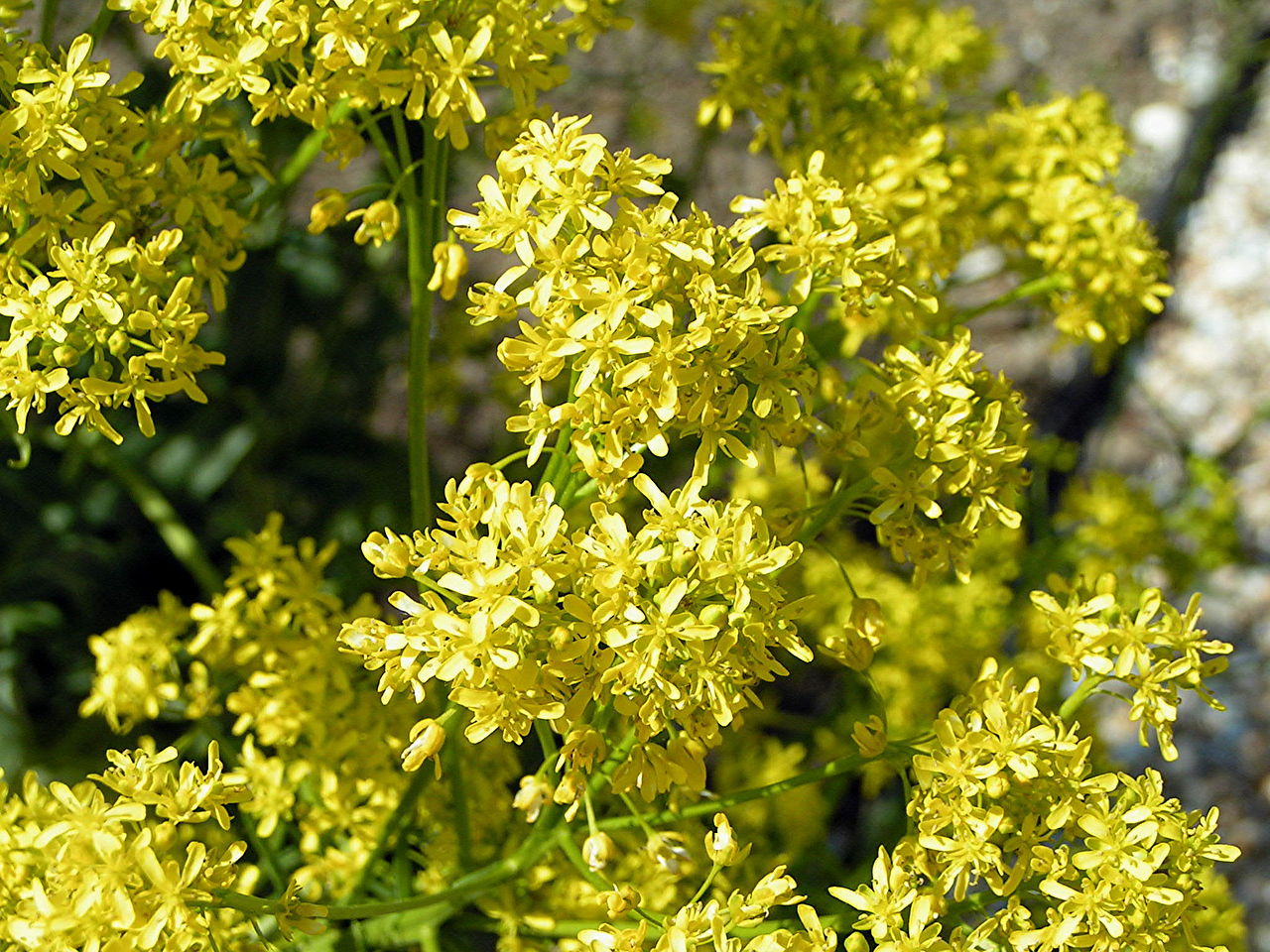
Woad is a unique-looking plant! 🌱It can grow up to three feet tall with thick, leafy stems. Its leaves are broad and green, shaped like large ovals. In the summer, it produces beautiful yellow flowers that attract bees and butterflies! 🐝The flowers are not just pretty; they can turn into seed pods filled with tiny seeds. When the leaves are crushed, they release a strong blue pigment, which is where the dye comes from. Isn’t that cool? 💙
Go deeper🌈 Cultural Significance
Woad has a rich cultural history! 🌈In ancient times, people in many cultures, particularly the Celts, used woad to dye their clothes. This blue dye was important for their identity! 🛡️ In battles, warriors painted their bodies with woad to scare their enemies. It was even used in art to create beautiful paintings. Today, woad is celebrated in many festivals and events that honor traditional dyeing practices. 🎉This shows how plants can be important not just for their uses, but also for their connection to people and history!
Go deeper🌿 Ecological Importance
Woad plays a special role in nature! 🌿It provides food for pollinators like bees and butterflies. When woad flowers bloom, they attract these helpful insects, which help plants grow by pollinating them. 🐝Additionally, woad supports other wildlife by creating habitats in areas where it grows. It can also help prevent soil erosion because its roots hold the soil together. 🌾This means woad is not just a pretty plant; it helps keep our environment healthy and balanced!
Go deeper🌍 Distribution And Habitat
Woad grows in many places! 🌍It is found in Europe, parts of Asia, and even North Africa. It loves to grow in sunny areas, often in disturbed soils like fields and roadsides. 🌾Woad prefers well-drained soil, so you can often spot it in fields or gardens. In fact, it was once widely cultivated in England and France, where people harvested it for dyeing. It also likes to stretch its roots deep into the ground, which helps it survive even in tough conditions! 🌞
Go deeper🌱 Cultivation And Harvesting
To grow woad, you need to plant its seeds in spring! 🌱It grows best in a sunny spot with good soil. Watering it regularly helps the plant grow strong. After a few months, the leaves become ready for harvesting! 🌿Once the leaves are big enough, they can be picked and crushed to release the blue dye. Farmers have harvested woad for hundreds of years, especially during the Middle Ages in Europe. 🌼After cutting the leaves, they can be boiled to turn the blue pigment into a dye for fabrics!
Go deeper