Indian Meal Moth Facts For Kids
The Indian meal moth (Plodia interpunctella) is a common pest known for infesting grains and processed foods, causing spoilage.
Select reading age

Indian Meal Moth Facts For Kids
Videos & Quizzesincluded
About this topic
The Indian meal moth 🦋 is a small, colorful insect known for causing trouble in kitchens! These pests are about 1/2 inch (1.3 cm) long and have beautiful wings with a mix of brown, gray, and reddish hues. They became famous for munching on stored foods, especially grains, flour, and dried fruits. Indian meal moths are found all around the world, but they are most common in places with warm climates like India and the United States. Understanding them helps keep your food safe and your pantry pest-free! 🌍🥣
Explore with ChatDinoKey Points
There are several pests related to the Indian meal moth!
Preventing Indian meal moths is easier than you think!
Did you know the Indian meal moth can fly up to 5 miles to find food?
The Indian meal moth starts its life as a tiny egg, usually laid on grains or dry foods.
Indian meal moths prefer warm places, especially where food is stored.
Indian meal moths are known for their sneaky eating habits.
To keep Indian meal moths away, you need to be smart about food storage!
Indian meal moths can be a big problem for farmers and food businesses!
Photos of Indian Meal Moth
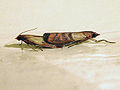
Indian Meal Moth — photo 1
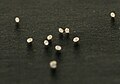
freshly laid eggs of Plodia interpunctella . individual eggs are about 0.5 mm.

Indian Meal Moth — photo 3
🦟 Related Pests
There are several pests related to the Indian meal moth! 🦟For example, the confused flour beetle is a common pest in flour and grain, just like the Indian meal moth. Mealworms and pantry moths are also pesky invaders you might find at home! These pests love the same kinds of food and can cause similar damage. Knowing about related pests can help you be better prepared to keep your kitchen safe. 🐞🍞
Go deeper💡 Prevention Tips
Preventing Indian meal moths is easier than you think! 💡Always check food packages for any signs of moths or holes before bringing them home. Store food in airtight containers and make sure to seal bags tightly. Cleaning your pantry regularly and using vacuum cleaners to pick up crumbs can help a lot! Also, keep your kitchen tidy and avoid leaving food out. If you find them, throw away contaminated items immediately! Remember, a clean kitchen is a happy kitchen! 🍽️🧹
Go deeper🏃♀️ Interesting Facts
Did you know the Indian meal moth can fly up to 5 miles to find food? 🏃♀️ That’s pretty impressive for such a small creature! They can also tolerate various temperatures, making them super adaptable. Some people even use them as food for pet reptiles or birds! 🦜Additionally, the caterpillar stage can change color based on what it eats! Isn’t that cool? Learning about these fascinating insects helps us understand our environment better! 🌱✨
Go deeper🥥 Biology And Life Cycle
The Indian meal moth starts its life as a tiny egg, usually laid on grains or dry foods. 🥥These eggs hatch into caterpillars or larvae within a week! The caterpillars love to eat and can grow up to 1 inch (2.5 cm) long. After several weeks, they form cocoons in hidden spots. Then, they become adult moths! The full life cycle can take about 30-90 days. Did you know that these moths can live for several months? They can also lay up to 400 eggs in their short life! In short, it's a busy little creature! 🐛✨
Go deeper🌡️ Habitat And Distribution
Indian meal moths prefer warm places, especially where food is stored. 🌡️ They are commonly found in pantries, kitchens, and warehouses. These moths are found all over the world, including areas like North America, Africa, and Europe. They're especially prevalent in houses in warmer states, such as Florida and Texas in the USA. These insects love to hide in food packages or dark corners where the temperature is just right for them! That's why knowing their favorite spots can help keep them away! 🍽️🏠
Go deeper🤫 Behavior And Feeding Habits
Indian meal moths are known for their sneaky eating habits. 🤫As caterpillars, they feast on grains, nuts, and dried fruits. They can chew through bags and boxes to reach their delicious snacks. Adult moths are drawn to lights at night, making them easy to spot! Once they lay eggs, the cycle starts again. These insects are also pretty smart; they often prefer food that is older and less fresh! So, keeping your food sealed tight will help prevent them from snacking on your treats! 🍏🥜
Go deeper🏡 Control And Management Strategies
To keep Indian meal moths away, you need to be smart about food storage! 🏡Use airtight containers for grains and dried fruits to block these critters from getting in. If you find moths, try cleaning your pantry and removing any affected food. You can also store foods in the freezer for a week to kill any eggs or larvae. Some people use traps to catch adult moths. Staying organized and checking your pantry regularly will help control their population! 🧼🔍
Go deeper🚜 Impact On Agriculture And Food Storage
Indian meal moths can be a big problem for farmers and food businesses! 🚜When these pests invade grains or dried products, they can ruin whole crops. This means that farmers lose money, and consumers may end up with damaged food. It's estimated that they cause millions of dollars in spoilage each year. These moths are also a challenge in homes, as they can sneak into cereal boxes and pantry items. Cleaning up is essential to avoid their impact on your food supplies! 🛒📉
Go deeper