Ice Storm Facts For Kids
An ice storm is a weather phenomenon characterized by freezing rain that creates a layer of ice on surfaces, often resulting in dangerous conditions and damage.
Select reading age
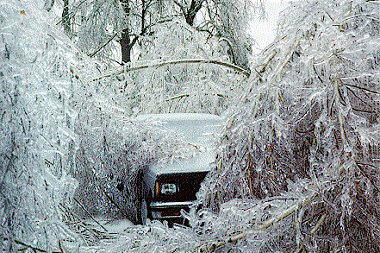
Ice Storm Facts For Kids
Videos & Quizzesincluded
About this topic
An ice storm is a special kind of winter weather that can be very exciting but also quite dangerous! 🌨️ It happens when freezing rain falls and turns into ice on trees, roads, and buildings. This can make everything look like a sparkling ice world! ❄️ Ice storms can happen in many places, especially in parts of the United States and Canada, during the cold months of November to March. While they may be beautiful to look at, ice storms can create tricky situations for people, animals, and nature. Let's learn more about how these storms form and what we can do to stay safe!
Explore with ChatDinoKey Points
An ice storm occurs when rain falls during cold weather and freezes on contact, creating a coating of ice on everything it touches.
When ice storms happen, communities come together to recover and help each other!
Ice storms form when warm air rises and meets cold air below.
Ice storms often disrupt our daily lives by affecting infrastructure!
Ice storms can have big effects on the environment!
Throughout history, many major ice storms have caused significant damage!
Fascinating features of ice storms make them unique!
Staying safe during an ice storm is super important!
Ice storms are just one type of winter weather, and they are different from snowstorms and blizzards!
Photos of Ice Storm

A graph showing the formation of different kinds of precipitation.

Power lines and groups pulled down after an ice storm. Besides disrupting transportation, ice storms can disrupt utilities by snapping lines and poles.

Ice Storm — photo 3
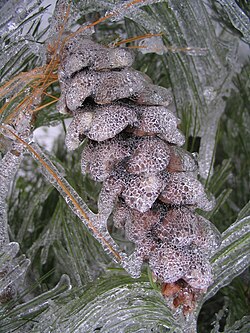
Ice Storm — photo 4
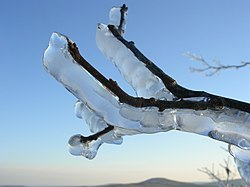
Ice Storm — photo 5

Ice Storm — photo 6

🌧️ What Is An Ice Storm?
An ice storm occurs when rain falls during cold weather and freezes on contact, creating a coating of ice on everything it touches. 🌧️ This can make roads slippery and trees heavy with ice. Ice storms are different from regular snow, as they can create a layer of dangerous ice rather than fluffy white snowflakes! ❄️ Ice storms usually happen when warm air meets cold air, and the warm air rises, causing the rain to freeze as it falls. These storms can cause power outages and can be very dangerous if you're outside while they happen!
Go deeper🤝 Responses And Recovery
When ice storms happen, communities come together to recover and help each other! 🤝After an ice storm, city workers start by cleaning up roads and restoring power. 🌳Many people volunteer to help those in need, like elderly neighbors without heat. Emergency services are always ready to assist anyone hurt by falling trees or icy roads. It can take several days or weeks for everything to return to normal. Universities and local organizations also provide resources for families. Remember, after any storm, it’s important to check on friends and family to ensure everyone is safe!
Go deeper🌬️ Formation Of Ice Storms
Ice storms form when warm air rises and meets cold air below. 🌬️ When the temperature falls below freezing, the raindrops become supercool—meaning they stay as liquid but are below freezing! 🧊When these droplets hit cold surfaces like roads, cars, or trees, they freeze instantly, creating a layer of ice. The warm air usually comes from weather systems, like low-pressure areas in the atmosphere. Sometimes, ice storms happen after a winter storm that has mixed types of precipitation, including rain and snow. Meteorologists use radar systems to monitor these weather patterns and predict ice storms.
Go deeper🏘️ Effects On Infrastructure
Ice storms often disrupt our daily lives by affecting infrastructure! 🏘️ Roads can become slippery and unsafe, making it hard to drive or walk. Cars may slide around or get stuck in ice, causing traffic jams. 🚗Ice can also break power lines, leaving many homes without electricity. Schools may close for safety reasons, and it can take time for workers to clear the ice from sidewalks and streets. In some cases, when the ice is too heavy, buildings might even be damaged! It’s essential for communities to have plans to keep everyone safe during these storms.
Go deeper🌎 Impact On The Environment
Ice storms can have big effects on the environment! 🌎When heavy ice builds up on trees, it can cause branches to snap or even uproot the trees entirely. This can harm wildlife and change the ecosystem. 🐦Additionally, ice can freeze ponds and rivers, making it hard for animals like fish and frogs to survive. The bright, shimmering ice can look pretty but can be harmful to trees and plants in the long run. Eventually, some plants can recover, but large damage sometimes can take years to heal!
Go deeper🌨️ Historical Ice Storm Events
Throughout history, many major ice storms have caused significant damage! 🌨️ One of the biggest was the 1998 ice storm in Canada and the Northeastern United States. It affected millions of people and caused over $5 billion in damages. The storm lasted for days and left many without power for weeks! ⚡Other notable ice storms include the Great Ice Storm of 2009 in the United States, when ice covered cities like Memphis and Little Rock. Such events teach us the importance of preparing for nature's surprises and keeping our communities safe!
Go deeper💧 Characteristics Of Ice Storms
Fascinating features of ice storms make them unique! 💧Ice storms usually have specific characteristics, like a thick layer of ice that can be 1/4 inch (6.35 mm) or more. This ice can gather on branches, causing trees to bend or even break! 🌳They often come with high winds, which can make the ice more dangerous by breaking branches or knocking down power lines. Ice storms may also create beautiful, shiny landscapes that twinkle in the sunlight! However, some ice storms can cause severe damage, making them different from regular winter storms.
Go deeper🛡️ Safety Precautions And Preparedness
Staying safe during an ice storm is super important! 🛡️ Here are some safety tips: First, stay indoors and avoid going outside unless you have to. If you need to travel, make sure to wear warm clothes and shoes that have good grip. 🚶♂️ Keep flashlights, batteries, food, and water ready, in case power goes out. Also, avoid using candles! ⚠️ If you see ice on trees or power lines, stay clear, as they could fall. Always listen to weather updates on the radio or online—that way, you will know when it’s safe to go outside!
Go deeper❄️ Ice Storms Vs. Other Winter Weather Events
Ice storms are just one type of winter weather, and they are different from snowstorms and blizzards! ❄️ In a snowstorm, snowflakes fall and accumulate on the ground, while in an ice storm, rain freezes into ice. Blizzards are characterized by strong winds and heavy snowfall, making it difficult to see. 🌬️ Ice storms can create ice-covered landscapes, while snowstorms create thickness of snow. Knowing these differences helps us prepare better for each type of winter weather and understand how the environment changes during these storms!
Go deeper