Ibis Facts For Kids
The ibis is a group of long-legged wading birds from the family Threskiornithidae that thrive in wetlands, forests, and plains, featuring unique curved bills and a diverse array of species.
Select reading age

Ibis Facts For Kids
Videos & Quizzesincluded
About this topic
The ibis is a fascinating bird known for its long legs and curved beak! 🦩There are about 29 different species of ibis in the family Threskiornithidae. These birds can be found in places like wetlands, forests, and plains around the world. Some commonly known ibises include the Sacred Ibis and the Glossy Ibis. They often travel in groups, which is super fun to see! You might spot them wading through shallow waters, looking for food. Did you know that some ibises are very colorful, with beautiful feathers that can shine in the sunlight? 🌞
Explore with ChatDinoKey Points
Ibises are related to a variety of other wading birds!
Some ibis species face challenges due to habitat loss and pollution.
Ibises hold a special place in many cultures!
When it comes time to build a family, ibises are quite dedicated parents!
Ibises have special skills that help them survive!
Ibises are found in many places around the world!
Ibises are stunning birds with unique physical traits!
Ibises are adventurous eaters!
Ibises belong to the family Threskiornithidae, which means "long-billed birds"!
Photos of Ibis

Ibises illustration, c.1835-1840
Ibis — photo 2

Ibis — photo 3


Ibis — photo 6

Ibis — photo 7

🌏 Related Species
Ibises are related to a variety of other wading birds! 🌏Their closest cousins include spoonbills, herons, and egrets. Spoonbills have flat, spoon-shaped bills that they use to catch fish, while herons are known for their grace and patience while fishing. Egrets have long necks and legs too, and they are often seen hunting in shallow waters just like ibises. These birds may have different features, but they share similar habitats and behaviors. Learning about these related species can help us understand the wonderful world of birds! 🦩
Go deeper🌱 Conservation Status
Some ibis species face challenges due to habitat loss and pollution. 🌱The Laru Ibis and the Bald Ibis, for example, are classified as endangered. Governments and organizations work hard to protect their habitats, restore wetlands, and ensure cleaner environments. Protecting ibises is important because they help balance ecosystems by controlling insect populations and spreading seeds. People can also help by being mindful of how we treat nature. When everyone works together, we can ensure that ibises are around for generations to come! 🌍
Go deeper🌍 Cultural Significance
Ibises hold a special place in many cultures! 🌍In ancient Egypt, the Sacred Ibis was sacred to the god Thoth, who represented wisdom and writing. People would even mummify ibises to honor them! Today, ibises appear in art, stories, and folklore around the world. Some cultures see ibises as symbols of good luck and prosperity. Because they are so graceful and social, these magnificent birds inspire many people to learn more about nature and conservation. The more we know about ibises, the more we can appreciate and protect them! 🦩
Go deeper🥚 Reproductive Behavior
When it comes time to build a family, ibises are quite dedicated parents! 🥚They usually nest in tall trees or bushes near water. A male ibis finds a good spot and attracts a female to help build the nest. They will lay 3 to 5 eggs, which both parents take turns keeping warm. 🐣After about three weeks, the baby ibises hatch! The parents care for the chicks by bringing them food and teaching them how to find their own meals. Once the babies are big enough, they can learn to fly and join their parents in foraging adventures! 🦩
Go deeper🌿 Adaptations And Survival
Ibises have special skills that help them survive! 🌿Their long legs allow them to wade in water while keeping their bodies dry. This helps them find food without any trouble. Their unique beak shape helps them dig into mud, making it easier to catch insects and prey. Ibises also have strong social skills and often work together in groups. This teamwork keeps them safe from predators, like eagles and large cats. Plus, their ability to adapt to different environments helps them thrive in various places around the world! Isn’t nature amazing? 🌳
Go deeper🌍 Habitat And Distribution
Ibises are found in many places around the world! 🌍These birds love wetlands, like marshes and swamps, but they can also be spotted in forests and plains. Some species live in Africa, Europe, Asia, and Australia. The Sacred Ibis is often found in Egypt and is famous for its role in ancient Egyptian culture! Other ibises, like the Black-headed Ibis, prefer to live in southern Asia and can often be seen in rice paddies. They are social birds, so you can see them in groups, flapping their wings and searching for food together. 🦩
Go deeper🦩 Physical Characteristics
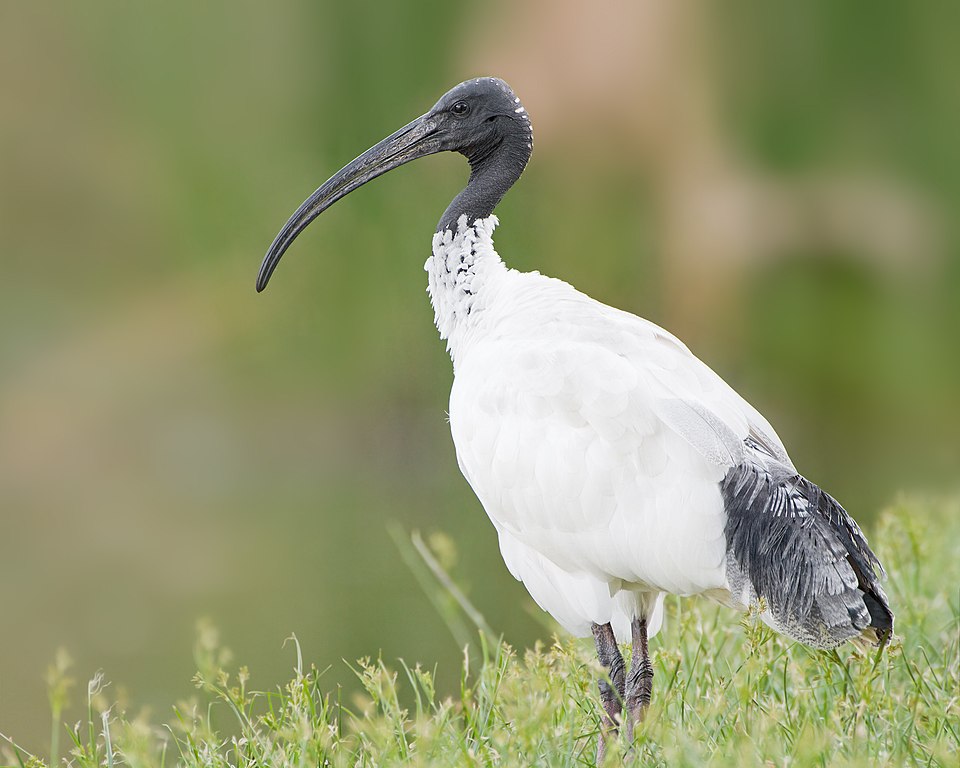
Ibises are stunning birds with unique physical traits! They typically have long legs that help them wade in shallower waters. Their distinctive curved beaks are perfect for digging into mud to find food. 🦩Some ibises have colorful feathers—like the Sacred Ibis, which is mostly white with black wing tips, while the Glossy Ibis can be a beautiful iridescent green and purple. Most ibises are about 18 to 40 inches tall! And guess what? They can weigh anywhere between 1.5 to 3.5 pounds. Isn’t it amazing how all these features help them live in their habitats? 🌼
Go deeper🍴 Diet And Feeding Behavior
Ibises are adventurous eaters! 🍴They mainly eat insects, crustaceans, and small fish. Thanks to their long beaks, they can probe deep into the mud to find these yummy treats. They often forage in shallow waters, using their beaks to dig and feel around for food. Some ibises even eat frogs, worms, and seeds! These birds are great at finding food, and watching them search is a lot of fun. When one ibis finds a tasty meal, the others might join in. Sharing food makes it easier for the whole group to eat! 🦩
Go deeper🎵 Taxonomy And Classification
Ibises belong to the family Threskiornithidae, which means "long-billed birds"! They are part of the order Pelecaniformes, which includes other waders like herons and pelicans. 🎵The scientific name for the Sacred Ibis is Threskiornis aethiopicus, while the Glossy Ibis is called Plegadis falcinellus. Ibises can be identified by their long beaks, which they use to probe in mud and water for food. They are closely related to spoonbills and other wading birds. Each type of ibis has its own unique features that make it special. Isn’t that cool? 🦩
Go deeper