Hydroxide Salt Facts For Kids
Hydroxide salt refers to a range of chemical compounds that contain the hydroxide ion (OH−), formed when metals react with hydroxide ions, resulting in basic substances that play important roles in various applications.
Select reading age

Hydroxide Salt Facts For Kids
Videos & Quizzesincluded
About this topic
Hey kids! 👋Today we’re going to learn about something called hydroxide salts! Hydroxide is a special part of many chemicals, made of one oxygen atom and one hydrogen atom (OH−). It’s like a little team! Hydroxide salts are formed when hydroxide combines with different metals, making them important for science and everyday life. These salts can be found in places like cleaning products and even in nature! 🌍Understanding hydroxide salts helps us learn more about chemistry and the world around us. Let's dive in and discover more about these cool compounds! 🧪
Explore with ChatDinoKey Points
Making hydroxide salts sounds complicated, but it's actually pretty cool!
Hydroxide salts have an impact on our environment, both good and bad!
Hydroxide salts have been important throughout history!
Hydroxide salts are super useful in many industries!
There are many types of hydroxide salts, and they come from different metals!
While hydroxide salts are useful, we need to be careful with them!
You might not realize it, but hydroxide salts are all around us!
Hydroxide salts are just one type of salt family!
Hydroxide salts have some exciting properties!
Photos of Hydroxide Salt

molécula hidroxila

Hydroxide-3D-balls
![Schematic representation of the bihydroxide ion[3]](https://upload.wikimedia.org/wikipedia/commons/thumb/8/81/Bihydoxide.png/250px-Bihydoxide.png)
Schematic representation of the bihydroxide ion[3]
![Trimeric hydrolysis product of beryllium dication[note 5]](https://upload.wikimedia.org/wikipedia/commons/thumb/c/c5/Beryllium_trimer.svg/250px-Beryllium_trimer.svg.png)
Trimeric hydrolysis product of beryllium dication[note 5]

Beryllium hydrolysis as a function of pH. Water molecules attached to Be are omitted.

Aluminium hydrolysis as a function of pH. Water molecules attached to Al are omitted

Tetrahydroxo-aluminate(III) ion

SVG version of File:Phosphonic-acid-2D-dimensions.png

Phosphoric-acid-2D-dimensions
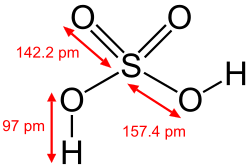
Sulfuric-acid-2D-dimensions
🧑🔬 Synthesis Methods
Making hydroxide salts sounds complicated, but it's actually pretty cool! 🧑🔬 These salts are usually made through chemical reactions. For example, when you mix a metal with water and add an acid, a hydroxide salt can be formed. 💧An example is when sodium reacts with water, creating sodium hydroxide! Another way to create hydroxide salts is by mixing a hydroxide with an acid, like vinegar, which helps make products we use every day! With the right ingredients, scientists can make many different types of hydroxide salts! Amazing, right? 🎉
Go deeper🌿 Environmental Impact
Hydroxide salts have an impact on our environment, both good and bad! 🌿When used correctly in factories to treat wastewater, they can help reduce pollution and keep our water clean. This helps protect animals and plants living in rivers and oceans! 🐠However, if not disposed of properly, some hydroxide salts can cause harm to the environment. This is why it’s important for factories to follow safety rules! ♻️ By learning how to use and dispose of these salts responsibly, we can help our planet stay healthy and beautiful! 🌎
Go deeper📜 Historical Significance
Hydroxide salts have been important throughout history! 📜The discovery of sodium hydroxide dates back to the 1790s when scientists learned how to extract it from ashes. It helped open doors for making soap! 🧼Calcium hydroxide has been in use since ancient times for construction. People would make lime from limestone, helping them build strong structures. Historical figures like Antoine Lavoisier, the father of modern chemistry, studied these compounds! Understanding hydroxide salts has helped us create medicines and clean products vital for our lives today! 🎈
Go deeper🏭 Applications In Industry
Hydroxide salts are super useful in many industries! 🏭For instance, sodium hydroxide is used to make soap, cleaning products, and even paper! 📄Magnesium hydroxide is used in medicines to help with stomach problems and to keep our bodies healthy. Calcium hydroxide plays a big role in construction by helping to make strong cement! 🏗️ Other industries use hydroxide salts in food processing, wastewater treatment, and electronics. The wide range of applications shows how important hydroxide salts are in helping us every day! 🌟
Go deeper🏅 Types Of Hydroxide Salts
There are many types of hydroxide salts, and they come from different metals! 🏅Some of the most common ones include sodium hydroxide (NaOH), magnesium hydroxide (Mg(OH)2), and calcium hydroxide (Ca(OH)2). Each type has its own special properties. 🌈Sodium hydroxide, for example, is often used in soaps and detergents! Whereas magnesium hydroxide is used to help upset tummies. 🤢Calcium hydroxide, also known as slaked lime, is used in construction! It's fun to know that different metals create unique hydroxide salts for various uses!
Go deeper⚠️ Health And Safety Considerations
While hydroxide salts are useful, we need to be careful with them! ⚠️ Some can be dangerous if not handled properly. For example, sodium hydroxide can cause burns and damage if it touches your skin. 🩹Always wear gloves and goggles when using them in experiments! It’s super important to read labels on products and ask an adult for help if you're unsure. If someone gets hurt, they should wash the area with lots of water and seek help. Staying safe helps us learn about chemistry without any boo-boos! 😊
Go deeper🌈 Hydroxide Salts In Everyday Life
You might not realize it, but hydroxide salts are all around us! 🌈When you wash your hands with soap, sodium hydroxide helps make it work better! In medicines, magnesium hydroxide helps ease tummy aches. 🤗Calcium hydroxide is used in many foods, like pickles and even the one that goes into our favorite salads! 🥗They’re also found in cleaning supplies, making our homes clean and fresh! 🧹Hydroxide salts play a big part in keeping us healthy and safe, even if they’re hidden in products we use daily! Isn’t that cool? 😎
Go deeper🧂 Comparison With Other Salt Families
Hydroxide salts are just one type of salt family! 🧂Other salt families include carbonate salts (like baking soda) and sulfate salts (like Epsom salt). Each family has special features! For instance, carbonate salts can fizz when mixed with acids, while sulfate salts are often used in bath products. 🛁Hydroxide salts stand out because they are alkaline, which means they help with cleaning and neutralizing acids! Both families of salts contribute to our daily lives, helping us with cooking, cleaning, and even health. Isn’t chemistry fun? 🥳
Go deeper✨ Chemical Properties Of Hydroxide Salts
Hydroxide salts have some exciting properties! ✨They are usually white and can be either solid or liquid. When they dissolve in water, they can create something called an alkaline solution, which means it can feel slippery, like soap! 😃They often react with acids to create new substances, which is important in many chemical reactions. Fun fact: Milk of Magnesia, a medicine, is a hydroxide salt called magnesium hydroxide! 🌟Hydroxide salts are known for their basic nature, meaning they can neutralize acids. But remember, always be careful when handling them!
Go deeper