Humulus Facts For Kids
Humulus, or hops, is a genus of climbing plants known for their importance in brewing beer and their potential health benefits.

Do more with AI
Introduction
Humulus, commonly known as hops, is a special plant that grows tall and fast! 🌱These plants can reach heights of up to 20 feet (6 meters) or more! Hops are well-known for their role in making beer. 🍺They add a bitter taste and wonderful aroma. Hops usually grow in places with warm summers and cool winters. They like rich soil and plenty of sunshine! 🌞Hops have been around for over 1,000 years and are important for brewing. Did you know, there are many different types of hops, and each type adds unique flavors to beer? 🥳
Images of Humulus

Humulus japonicus leaves
Pests And Diseases
Just like all plants, hops can face enemies like pests and diseases. 🐞Common pests include aphids and spider mites, which suck the sap from leaves. This can make the plants weak. To protect them, farmers often use natural methods, like ladybugs, which eat pests! 🐞Hops can also get diseases, like powdery mildew, which looks like white dust on the leaves. 🌫Farmers must check their crops regularly and treat them to keep them healthy. By using careful practices, they keep their hop plants happy and strong for brewing! 🍺
Species Of Humulus
There are several species of Humulus, but the most popular is Humulus lupulus, known as the common hop. 🍃Another species is Humulus japonicus, which is found in East Asia. 🌏This species is also called Japanese hop and is known for growing fast and covering structures. Some other species, like Humulus serratus, are less common. Each species has its unique characteristics, like leaf size and flower shape! 🌼The different species help brewers select specific hops for their favorite beer flavors. 🎉Exploring these species can be fun for those who love plants!
Conservation Status
Currently, hops are not endangered, thanks to farmers growing them worldwide! 🌍However, like all plants, they need care. Some farmers are adopting organic methods to preserve their crops. Organic hops are grown without synthetic pesticides or fertilizers! 🌱This helps protect the environment and promote health. Efforts to track hop varieties and protect them from diseases are also ongoing. By supporting sustainable practices, we can help keep hops thriving for future generations! 🍻So while hops are safe for now, let's always remember to care for our plants! 🌳
Environmental Impact
Hops are great plants for the environment! 🌱They help soil by preventing erosion, which is when soil washes away. Since hops are climbing vines, they also provide habitat for beneficial insects, like bees! 🐝Bees love the flowers and help pollinate other plants. However, when hops are farmed, it’s essential to use sustainable farming practices. This means using fewer chemicals and protecting nature! 🌳By doing this, hop farmers can help maintain a healthy ecosystem while producing the hops we love. So, hops contribute positively to both beer and the environment! 🌼
Cultural Significance
Hops have been important in cultures worldwide! 🌍In Germany, there are even festivals celebrating hops and brewing, like the famous Oktoberfest! 🍻Hops play a role in tradition, craft, and celebrations. In the U.S., many craft breweries focus on the unique flavors hops can bring. They explore different hop varieties to connect with fans! 🎉In some cultures, hops have also been used in wedding decorations! This shows that hops aren't just for brewing, they are part of our traditions and stories! Isn't that amazing? 🌟
Origin And Distribution
The hop plant, or Humulus lupulus, originated in Europe and Asia. 🌍It thrives in temperate climates where the growing seasons are long. Today, hops are grown in many countries, including the United States, Germany, and the Czech Republic. 🌿In the U.S., the Pacific Northwest, especially Oregon and Washington, is famous for hop production! 🍻It's interesting to note that different regions create unique hop flavors. The process of recognizing the origin is called “terroir,” just like with wine! 🍇Many breweries love to showcase their favorite hops in their beer recipes.
Botanical Characteristics
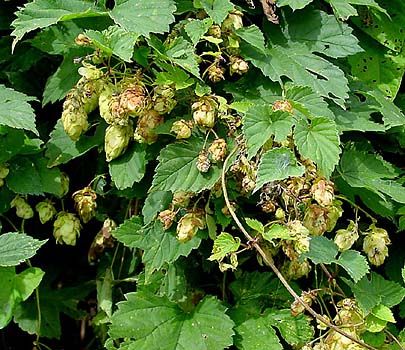
Hops belong to the Cannabaceae family. 🌳They are climbing plants with sturdy stems that twist around supports, like poles or fences! Hops have palm-shaped leaves that can be up to 10 inches wide! 🍃The flowers, called cones, bloom in late summer and look like little green pine cones. 🏕These cones are what brewers use to flavor beer. Hops are dioecious, which means there are male and female plants. Only the female plants produce those yummy flowers! Did you know that hops can grow over 1 foot every week during their growing season? 🌠
Cultivation And Harvesting
Hops are usually grown in big fields called hop gardens or hop yards! 🌾They need tall trellises to climb on. Farmers plant hops in the spring and harvest them in late summer or early fall. 🍂During harvest time, workers pick the hop cones by hand or use special machines. Did you know it takes about 3 years for a hop plant to grow strong enough to produce cones? 🕒Once harvested, hops are dried quickly to keep their flavors. The hops are then packaged and sent to breweries. Happy harvesting helps beer lovers enjoy their favorite drinks! 🍺
Uses In Brewing And Medicine
Hops are mainly famous for their role in brewing beer! 🍻They are added for flavoring and keeping the beer fresh. Hops contain a chemical called alpha acids, which create that bitter taste. Did you know hops also help beer taste aromatic, with hints like citrus, pine, or flowers? 🌼Besides brewing, hops have been used in traditional medicine. They are thought to help with sleep and anxiety. 💤Some people even make tea from hops! So, while hops make our favorite drinks, they also help us relax. How cool is that? 🌟
Humulus Quiz
Learn more about Humulus
