Hms Beagle Facts For Kids
HMS Beagle was a historical Royal Navy ship known for its exploration and scientific voyages, notably with Charles Darwin aboard.
Select reading age
Hms Beagle Facts For Kids
Videos & Quizzesincluded
About this topic
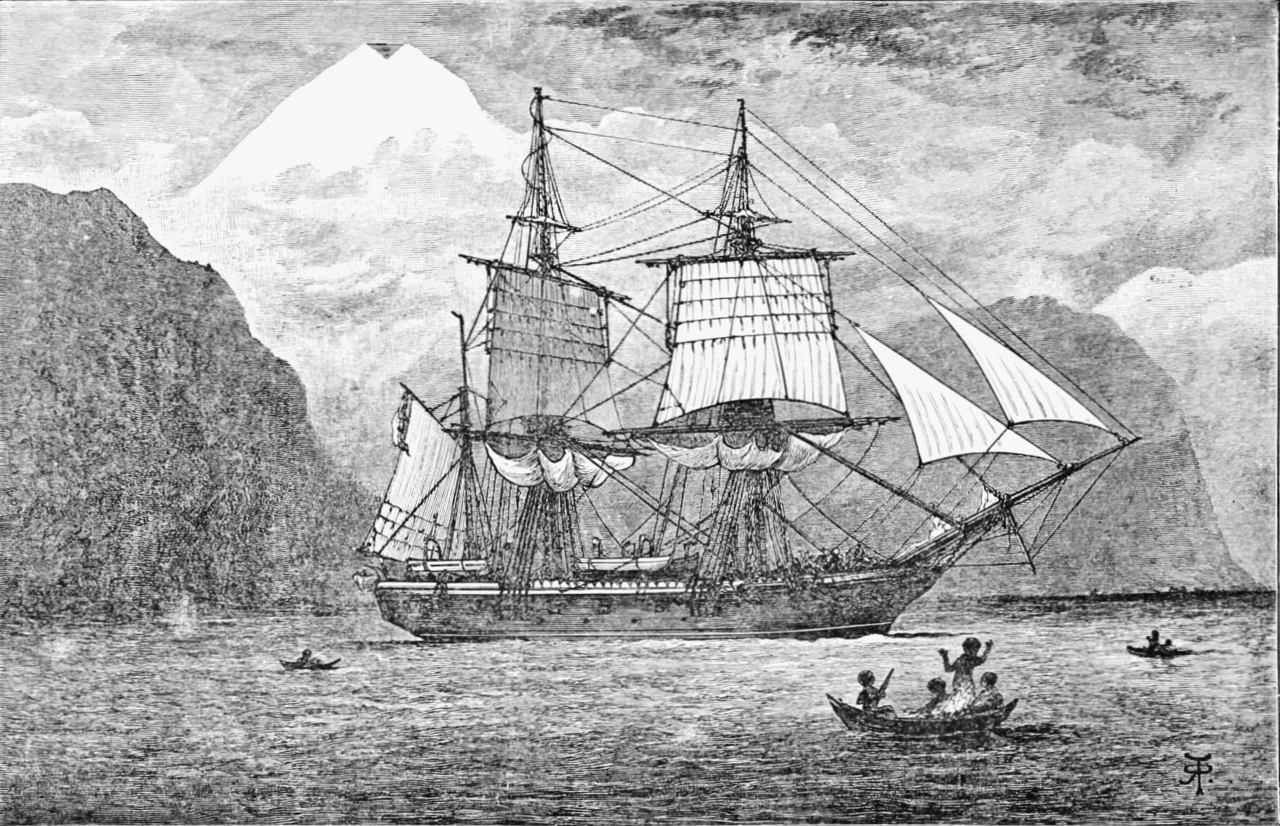
HMS Beagle was a special ship from England! 🚢Built in 1820, it was a Cherokee-class brig-sloop. This means it had two sails and could carry 10 cannons. The Beagle is famous because it sailed around the world! 🌍It helped scientists learn more about nature and different places. One of its most famous passengers was Charles Darwin, who helped us understand evolution. The ship was about 90 feet long and had a crew of around 75 sailors. It made several important journeys, especially around South America! 🦜It’s a big part of history that still teaches us today.
Explore with ChatDinoKey Points
The HMS Beagle has a significant cultural impact!
The most famous passenger on HMS Beagle was Charles Darwin!
The HMS Beagle made many scientific discoveries!
The HMS Beagle was designed to be fast and strong!
The Beagle went on many exciting voyages!
The legacy of HMS Beagle continues to inspire people today!
Charles Darwin had a life-changing experience on the HMS Beagle!
After its journeys, HMS Beagle was retired from active service.
HMS Beagle appears in various forms of popular culture!
Photos of Hms Beagle

Hms Beagle — photo 1

Hms Beagle — photo 2

The Beagle Laid Ashore for repairs. Location: Tierra del Fuego, Santa Cruz river, 50.1125°S and 68.3917°W That is the position calculated by Captain Robert FitzRoy. The error was small. The drawing shows that the site must have been a river bank (50.13°S?, 68.39°W?) near the calculated position.

Hms Beagle — photo 4

(centre) painted during the third voyage while surveying Australia.

Hms Beagle — photo 6

Replica scale 1:1 of HMS Beagle, Nao Victoria Museum, Punta Arenas, Chile, 2018
🎨 Cultural Impact
The HMS Beagle has a significant cultural impact! 🎨It's not just a ship; it represents curiosity and exploration. Many people remember the Beagle because of Darwin's important ideas about evolution. The ship has inspired books, movies, and artwork! 📚Films about adventure and science often mention it, emphasizing the importance of discovery. Additionally, it symbolizes the spirit of exploration, encouraging many to learn about nature and science. Today, HMS Beagle remains a fascinating topic in schools and museums, promoting a love for science in young minds everywhere!
Go deeper🧑🔬 Notable Passengers
The most famous passenger on HMS Beagle was Charles Darwin! 🧑🔬 He joined the ship during its second voyage in 1831. Darwin was a young naturalist who loved studying animals and plants. On the Galápagos Islands, he saw many unique species, which inspired his ideas about evolution! 🦜🌱 Other passengers included Captain Robert FitzRoy, who was the ship's commander. FitzRoy was a skilled sailor and scientist. He kept detailed logs of the ship’s journeys. The Beagle also had a crew of hard-working sailors, which made the expeditions successful and exciting!
Go deeper🧬 Scientific Discoveries
The HMS Beagle made many scientific discoveries! 🧬During its voyages, the crew observed different animals and plants. In the Galápagos Islands, Darwin saw tortoises with different shell shapes depending on which island they lived on! 🐢This helped him understand how species change over time. They also discovered fossils and studied sea life along the coasts. The information they gathered helped scientists create maps and understand the natural world better. 🌊The Beagle's discoveries changed how we think about science and nature, making it an important expedition in history!
Go deeper⚓ Design And Construction
The HMS Beagle was designed to be fast and strong! ⚓It was built in the Royal Navy's shipyard in Devonport, England. The ship was made of wood, which was common at that time. It had a narrow shape and two tall masts to catch the wind. This helped it sail quickly! 🌬️ The Beagle had a small deck and was great for exploring coastlines. Its cannons were meant to protect it from pirates! The ship can be recognized by its elegant curved hull and beautiful sails. It was launched on May 11, 1820, and quickly became famous for its adventures.
Go deeper🌊 Voyages And Expeditions
The Beagle went on many exciting voyages! 🌊Its most famous journey started in 1831, when it set sail from England to explore South America. It traveled to places like Brazil, Chile, and the Galápagos Islands. 🦎The crew studied plants, animals, and even rocks! They took notes and collected samples for scientists to examine later. The journey lasted nearly five years! One of the big tasks was mapping the coasts. The Beagle’s adventures helped improve navigation and understanding of the world’s geography. It returned to England in 1836, bringing back tons of new discoveries.
Go deeper🎉 Legacy And Commemoration
The legacy of HMS Beagle continues to inspire people today! 🎉Schools, museums, and organizations celebrate its journeys and the scientific discoveries it made. Statues and plaques can be found in places connected to Charles Darwin, reminding us of the Beagle's contributions. 📜Events and talks about natural history often mention the ship and its role in shaping modern science. Even today, scientists explore the world in a similar curiosity-driven way as Darwin did on the Beagle. The ship’s legacy encourages young explorers to be curious and discover the wonders of the world! 🌍
Go deeper🌱 Influence On Charles Darwin
Charles Darwin had a life-changing experience on the HMS Beagle! 🌱🦜 He joined the ship to study nature, and it opened his eyes to new ideas. Observing different animals on the journey led him to think about how species evolve over time. He noticed, for example, that animals like finches had different beak shapes based on their food sources on different islands. This observation was key to his theory of evolution! 📖After returning home, he published his famous book "On the Origin of Species," sharing his findings with the world. The Beagle helped spark a scientific revolution!
Go deeper🚢 Later Years And Restoration
After its journeys, HMS Beagle was retired from active service. 🚢In 1845, it was sold and used for other purposes, including as a customs vessel. Time took a toll on the ship, and it fell into disrepair. In the late 1800s, parts of the ship were restored, but it never sailed again. Eventually, in 1870, HMS Beagle was finally broken up for scrap. Yet, its legacy lives on! People still study its journeys and achievements. Many recognize its importance in scientific history, making efforts to honor and remember the adventures of HMS Beagle and its crew. ⚓
Go deeper📺 Hms Beagle In Popular Culture
HMS Beagle appears in various forms of popular culture! 📺It has inspired stories, movies, and games that showcase adventure and exploration. The ship is often mentioned in documentaries about Darwin or the history of science. 🦜Some children's books even feature characters inspired by the ship's adventures! As a symbol of curiosity, the Beagle reminds us to keep asking questions and exploring our surroundings. 📚Artists and creators use the Beagle as a reminder of the importance of adventure in learning, showing how one ship can inspire generations of young explorers! 🌟
Go deeper