Hierarchy is an arrangement of items or individuals that shows their level of importance or authority in relation to one another.

Set reading age
View for Kids
Easy to read and understand
View for Students
Clear, detailed explanations
View for Scholars
Deep dives and big ideas
Hierarchies are like trees! 🌳They help us understand how things are organized. Imagine being in a family where your parents are on top, and you’re at the bottom. This shows different levels of importance or power. 🏰Hierarchies can be found in many places. For example, schools have teachers who guide students. Businesses have managers who help employees. Even animals like ants work together in a hierarchy! 🐜The biggest ant, called the queen, is at the top. So, hierarchies help us see who is in charge and how everything connects!
In nature, hierarchies help animals thrive! 🦁For instance, in a wolf pack, the alpha wolf is the leader. The pack works together to hunt but knows who’s in charge. 🐺In the ocean, fish often swim in schools where bigger fish may lead the way, guiding the smaller ones! 🐠Honeybees also have hierarchies, where the queen bee lays eggs while worker bees gather food! 🍯This helps the colony stay organized and efficient. 🌼Every animal plays a role in its hierarchy, ensuring all the members know what they should do!
Social hierarchies are about relationships between people! ❤️ In many communities, we have leaders like mayors. They help organize events and make decisions. Teachers also play an important role in social hierarchy by guiding students. 👩🏫 Among friends, you might also see social levels, like who decides where to go play! 👦👧 This shows how different friendships can work together. Social hierarchies can change as people earn respect or friendship! Even inside families, parents often have authority over kids. This helps everyone feel loved and cared for!
There are different types of hierarchies, each with their own purpose! 🎯A social hierarchy shows social status, like how some people are leaders while others follow. 👨⚖️ In a corporate hierarchy, managers oversee employees. 📊For example, in the U.S. military, ranks like General and Private organize the soldiers. 📈A biological hierarchy groups living things from cells to organisms. 🦋Then there’s the organizational hierarchy, like a family tree! 🌳Each type helps us understand relationships and roles better. Hierarchies can be simple, like a family, or complex, like a large company!
In a business, hierarchies help things run smoothly! 🏢At the top is the CEO, who makes big decisions. Right below, managers help guide different departments, like sales and marketing. 📈Employees report to these managers, and everyone works together! Employee roles get defined, so everyone knows their tasks. 👍This way, projects run efficiently, and problems get solved quicker. For example, if a product launches, the whole hierarchy works to help promote it! 📣Companies like Apple and Google use this structure to stay organized and keep everyone connected.
Education has a clear hierarchy too! 🏫At the top are school principals who manage everything. They answer to superintendents, who oversee many schools! Below {them} are teachers, guiding classrooms filled with students. 👩🏫 When teaching, teachers might use aids like teaching assistants to help. This structure makes learning organized and effective, allowing everyone to thrive! Students also have levels, like kindergarten through high school. 🎓For example, as students advance, they take harder classes. This model shows growth and helps learners understand what’s next on their journey! 🚀
While hierarchies help us, they can also create challenges. 😟Sometimes, information gets stuck as it moves up or down the levels. If a worker has a great idea, they might struggle to share it with the manager! 📉Hierarchies can also create confusion; if people don’t understand their roles, tasks might get mixed up! For example, if a teacher and a principal disagree, students might feel confused about rules. Another challenge is people feeling left out or unimportant! 😔It’s essential to find ways to encourage communication within hierarchies!
Hierarchies can differ widely! 🏰In nature, the dominance of a queen bee contrasts with the structured ranks in the military. 🌐In businesses, companies like Tesla operate with a lean structure, allowing quick decisions, while traditional firms may have deeper hierarchies. 📈Social hierarchies can also vary; in some cultures, elders hold more power, while in others, children’s voices are prioritized. 🌍Education systems show the importance of growth. Each hierarchy has strengths and challenges. By understanding these differences, we learn how to work within or improve them for everyone’s benefit! 🏆
Governments use hierarchies to make decisions for countries! 🌍At the top is the President or Prime Minister, who leads the country. Below them are senators and representatives who create laws. 🏛️ They work closely with local leaders, like governors, who help run states! Each step has its own responsibilities, making sure everyone has a voice! 🗳️ For instance, the U.S. government has three branches: executive (President), legislative (Congress), and judicial (courts). ⚖️ This structure helps balance power. Citizens can also influence their leaders through voting! 🗳️
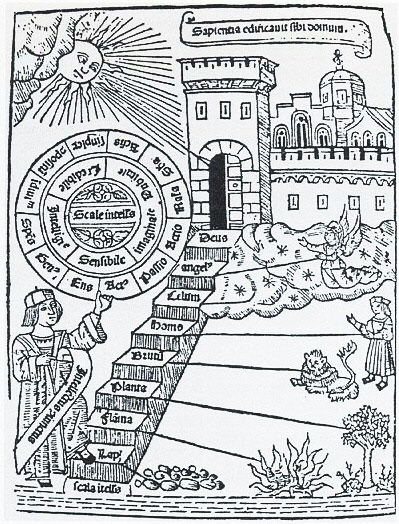
Hierarchies have a long history! 📜Ancient societies, like Egypt, had a pyramid structure with pharaohs at the top. The feudal system in medieval Europe also showed hierarchy, with kings, nobles, and peasants. ⚔️ These structures helped nations organize themselves and maintain order. In more modern times, companies and governments adopted hierarchies to help run effectively. 📊Even schools have structured hierarchies based on grades and responsibilities. Understanding how hierarchies have evolved helps us appreciate how they shape our lives today! 🌍
Technology has changed hierarchies! 💻With emails and instant messaging, information travels faster than ever! Workers can quickly connect with managers without waiting in line. This can flatten hierarchies, making everyone feel important! 📞Online platforms like video conferences let teams work together from anywhere in the world! 🌐For example, think of Google, where many people contribute ideas without strict levels! However, technology can also create confusion as everyone shares ideas. Balancing tech while respecting hierarchy helps teams stay strong and connected! 🌟


DIY is a creative community where kids draw, build, explore ideas, and share.
No credit card required