Hepatica Nobilis Facts For Kids
Hepatica nobilis, commonly known as the common hepatica, is a flowering plant in the buttercup family that thrives in temperate woodlands and features distinct liver-shaped leaves.
Select reading age

Hepatica Nobilis Facts For Kids
Videos & Quizzesincluded
About this topic
Hepatica nobilis is a pretty flower that you might also hear called common hepatica, liverleaf, or kidneywort! 🌸This flowering plant belongs to the buttercup family, known as Ranunculaceae. It grows in cool woodlands across the Northern Hemisphere, including parts of Europe, Asia, and North America! This plant is famous for its lovely blue, purple, or white flowers that bloom early in spring, sometimes even peeking through the snow! ❄️ People love its unique shape and colors, making it a popular addition to gardens.
Explore with ChatDinoKey Points
Let's learn about the naming of Hepatica nobilis!
Hepatica nobilis is known for its charming and distinct appearance!
This plant doesn't need a lot of help to grow its next generation!
Hepatica nobilis is part of a fascinating family of plants!
Scientists are curious about Hepatica nobilis and study it to learn more!
Hepatica nobilis holds a special place in different cultures!
Hepatica nobilis plays a special role in the ecosystem!
Hepatica nobilis loves to grow in damp, leafy woodlands where it can get some sunshine!
Hepatica nobilis is a beautiful plant but faces some challenges!
Long ago, people discovered that Hepatica nobilis had special healing powers!
Photos of Hepatica Nobilis

Hepatica Nobilis — photo 1

Blue and pink Anemone hepatica flowers

Hepatica Nobilis — photo 3

Hepatica Nobilis — photo 4

Hepatica Nobilis — photo 5

Hepatica Nobilis — photo 6

Hepatica Nobilis — photo 7
Hepatica Nobilis — photo 8

Hepatica Nobilis — photo 9
🌱 Taxonomy
Let's learn about the naming of Hepatica nobilis! 🌱Its scientific name is based on Latin. "Hepatica" means "of the liver," while "nobilis" means "noble." The name relates to the plant's liver-like leaves. It belongs to the Ranunculaceae family, which has over 2,000 species, including buttercups! 🤩In the plant kingdom, it is part of the order Ranunculales. Hepatica nobilis isn’t just one plant; it has different varieties! Each variety sings its own song of color and shape, like Hepatica nobilis var. acuta, which has pointed leaves.
Go deeper🌿 Morphology
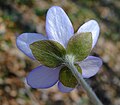
Hepatica nobilis is known for its charming and distinct appearance! 🌿The flowers can be blue, purple, or white, and have three delicate petals. Each flower usually grows on a stalk that comes straight out of the ground, standing tall! Its leaves are lobed and look like small hands, often turning red as they age! 🍂The plant is relatively small, usually only about 6 inches tall but has a huge personality! When you see one, you’ll notice its beauty and the way the petals catch the sunlight, making them shine bright!
Go deeper🌱 Reproduction
This plant doesn't need a lot of help to grow its next generation! Hepatica nobilis can reproduce in two ways: by seed and by spreading roots. 🌱The flowers produce tiny seeds that can be carried by the wind or animals. Animals also help spread these seeds when they eat the seeds and pass them through their bodies! Once the seeds land in good soil, they can grow into new plants! The plant can also make new plants from underground parts called rhizomes, making it very clever at creating more beautiful flowers each spring!
Go deeper🌿 Related Species
Hepatica nobilis is part of a fascinating family of plants! 🌿Other related species include Anemone nemorosa, known as wood anemone, which also grows in woodlands and has similar flower structures. Then there's Ranunculus acris, the common buttercup, known for its bright yellow flowers that light up fields! 🌻Additionally, some varieties of Hepatica, like Hepatica transsilvanica, show unique flower colors and shapes. All these plants share similarities but have their own special traits that make exploring the plant world exciting!
Go deeper🔍 Research And Studies
Scientists are curious about Hepatica nobilis and study it to learn more! 🔍They investigate its habitat, pollinators, and how climate changes affect its blooming. By understanding the plant better, they can also explore new ways to protect it! Researchers study its unique leaf structure and flowering patterns, trying to comprehend how it survives in the wild. 📚Learning about this flower helps us not only appreciate its beauty but also understand the environment and how we can care for our planet together!
Go deeper🌍 Cultural Significance
Hepatica nobilis holds a special place in different cultures! 🌍In some countries, it symbolizes hope and renewal since it blooms in spring, bringing color after a long, cold winter. Artists often paint this flower for its beauty, and it’s sometimes used in photography and crafts! In Japan, it’s admired for its elegance and is often used in gardens. Some people even celebrate this flower, bringing communities together to appreciate nature’s wonders! 🌸Through art and tradition, Hepatica nobilis teaches us to cherish the beauty around us.
Go deeper🐦 Ecological Importance
Hepatica nobilis plays a special role in the ecosystem! 🐦It provides food for early spring pollinators, like bees and butterflies. When these insects visit the flowers for nectar, they help spread pollen, which is super important for plant reproduction! 🌍Additionally, this plant helps keep the soil healthy. Its leaves break down and return nutrients to the ground, helping other plants and trees in the forest grow stronger. Every flower contributes to the balance of nature!
Go deeper🌞 Habitat And Distribution
Hepatica nobilis loves to grow in damp, leafy woodlands where it can get some sunshine! 🌞It can be found in many places, especially in countries like the USA, Canada, Germany, and Japan. In the United States, you can find it in states like Virginia and Pennsylvania. This plant thrives in rich soil, especially near trees like oaks and maples, which help keep the ground cool and shaded! 🌳Hepatica nobilis even enjoys living in places that have seasonal changes, making each spring an adventure for this delightful flower!
Go deeper⚠️ Threats And Conservation
Hepatica nobilis is a beautiful plant but faces some challenges! ⚠️ Habitat destruction, caused by human activities like cutting down forests or building homes, threatens its survival. Climate change is another threat that can affect its blooming time. Conservationists focus on protecting the natural habitats of this plant. 🌳Planting more Hepatica nobilis in gardens and woodlands can help create a safe space for it to grow. Every little bit counts, and by caring for nature, we can ensure that this lovely flower blooms for generations to come!
Go deeper🌼 Uses In Traditional Medicine
Long ago, people discovered that Hepatica nobilis had special healing powers! 🌼Traditional medicine used it to treat various ailments. People believed that making teas or salves from the plant could help with liver problems and fevers! However, it’s essential to be careful since not all parts of plants are safe to eat. 🛑Today, Hepatica nobilis is appreciated more for its beauty rather than for medicine. It reminds us how plants can be part of history and help us understand nature better!
Go deeper