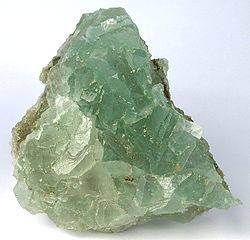
Halite, commonly known as rock salt, is a fascinating mineral made of sodium chloride (NaCl), forming beautiful cubic crystals and playing important roles in our lives.
Set reading age
View for Kids
Easy to read and understand
View for Students
Clear, detailed explanations
View for Scholars
Deep dives and big ideas
Halite, also known as rock salt, is a special mineral made up of sodium and chlorine, which together form sodium chloride. 🧂It looks like clear crystals or large rock formations, and you can find it in many places, especially in dry regions or near oceans. Halite is not only important for making our food taste better, but it also helps in keeping roads safe during winter by melting ice! ❄️ Would you believe that some people even mine halite underground? Understanding halite can help us appreciate the world around us!
Mining halite is fascinating! Miners dig deep into salt deposits. 🪨Sometimes, they use large machines to extract the salt, while in other cases, people mine by hand. Salt mines can be found all over the world, including places like Poland, where the famous Wieliczka Salt Mine is located! It has beautiful sculptures made from salt! 🎨The extracted halite is then cleaned, packaged, and sent to stores. Mining helps ensure we have enough salt for everything we need, from seasoning food to keeping us safe in winter!
Halite has several important uses! First, people love to use it as table salt for cooking to add flavor. 👨🍳 It also helps preserve food, like meats and fish. During winter, it is spread on roads to melt ice, making driving safer. 🚗Halite is also used in many industries, like making glass, soap, and even in chemical factories! Some farmers use it as fertilizer to help crops grow. 🌾Clearly, this special salt is valuable and useful for many aspects of our lives!
Halite is a mineral that is the natural form of salt! 🌍It's a bit like the salt you sprinkle on your food, but it is found in nature as big, shiny crystals. Because it is made of sodium and chlorine, we can use it as an important part of our diets. While it tastes salty, halite is also essential for many animals to stay healthy. 🐦It usually forms in places where water has evaporated—like lakes or seas where salt is left behind! Who knew that such a simple mineral can be so fascinating?
The chemical formula for halite is NaCl, which means it’s made of sodium (Na) and chlorine (Cl). 🌌It is an ionic compound, meaning the sodium and chlorine atoms stick together due to opposite charges. When dissolved in water, halite breaks down, making a salty solution that we can use to flavor our meals! 🥘Halite can also conduct electricity when dissolved in water, which is important for our technology. The melting point of halite is 801 degrees Celsius (1474 degrees Fahrenheit), which shows how strong this mineral is!
Halite has some cool physical properties! Did you know that it is usually clear or white but can come in different colors like pink, blue, and yellow? 🌈It has a shiny surface because it reflects light. When you pick up a piece of halite, it feels smooth and cool to the touch. One special thing about halite is that it tastes salty! 😋Additionally, halite can dissolve in water, which is why we can use it in foods. The hardness of halite is about a 2-3 on the Mohs scale, which means it can easily be scratched by a fingernail! 💅
While halite is useful, mining it can affect the environment. 🌎Over-mining can lead to land degradation, where the ground becomes less fertile. Additionally, when salt is spread on roads in winter, it can run off into rivers and lakes, harming wildlife and plants! 🦆Many species are sensitive to salt levels. However, responsible mining practices can help to protect nature while still using halite. People are finding ways to balance our salt needs with caring for the environment so we can keep enjoying it for years to come!
Halite has a long history! People have been using salt since ancient times for food preservation. 🏺The ancient Egyptians even used halite in mummification! Salt was so important that it was used as currency in some cultures, like during the Roman Empire. 💰In fact, many soldiers were paid with "salt" because it was valuable! The famous saying "worth your salt" comes from this practice! Even today, halite remains a necessary mineral in our lives, influencing everything from diets to industry.
Halite forms when salty water evaporates, like when a puddle disappears on a hot day. ☀️ When water evaporates, it leaves behind salt crystals. You can find halite in places called salt flats or salt lakes. The Great Salt Lake in Utah, USA, and the Salar de Uyuni in Bolivia are famous for their large salt deposits! 🌊In some areas, halite can even be found deep underground in layers of rock. These beautiful crystals change the landscape and create interesting shapes in nature!
Halite has inspired many artists! 🎨Sculptors carve amazing pieces using salt from mines, like the stunning sculptures in Poland's Wieliczka Salt Mine. Some cultures even celebrate the importance of salt in their foods and traditions. 🍞For example, in the Philippines, salt is part of rituals and celebrations, symbolizing purity. In art, salt can be a medium, and colorful salt art is created using dyed grains. Halite shows us how something simple like salt can play a big role in our lives, cultures, and creative expressions! 🌟


DIY is a creative community where kids draw, build, explore ideas, and share.
No credit card required