Guantánamo Facts For Kids
Guantánamo is a colorful city in southeast Cuba known for its rich culture, history, and beautiful surroundings, serving as the capital of Guantánamo Province.
Select reading age
Guantánamo Facts For Kids
Videos & Quizzesincluded
About this topic
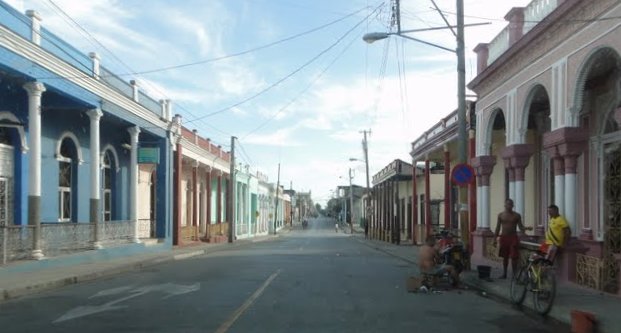
Guantánamo is a colorful city located in southeast Cuba 🇨🇺. It is not only a municipality but also the capital of Guantánamo Province. This city is known for its music, enjoying rhythms like Son and Salsa 🎶. Guantánamo has a rich culture influenced by Spanish, African, and native Taino traditions. The city is famous for its beautiful landscapes, including mountains and beaches. The Guantánamo Bay, also located here, is a big natural bay that provides a unique environment. The friendly people and amazing food, such as rice and beans 🥘, make this place a cultural gem in the Caribbean!
Explore with ChatDinoKey Points
Guantánamo has a diverse population of around 200,000 people 👩👩👦.
Guantánamo is home to several interesting landmarks!
Guantánamo has many exciting places for visitors!
Like many places around the world, Guantánamo faces some environmental challenges 🌍.
Guantánamo is surrounded by beautiful mountains and the sparkling Caribbean Sea 🌊.
The history of Guantánamo stretches back to the Taino people, who lived there long before the Spanish arrived in the 15th century.
The economy of Guantánamo is mainly based on agriculture 🌾.
Guantánamo is well-known for the Guantánamo Bay Naval Station, a U.S. military base established in 1903.
Guantánamo is rich in culture and traditions 🎉!
Photos of Guantánamo

Guantánamo — photo 1

Guantánamo — photo 2

Guantánamo — photo 3

Guantánamo — photo 4

👩👩👦 Demographics
Guantánamo has a diverse population of around 200,000 people 👩👩👦. The people of this city are friendly and welcoming! The majority of residents are of mixed heritage, including Spanish, African, and Taino roots. Most people speak Spanish, which is the official language of Cuba. Guantánamo is home to various religions, including Catholicism and Santería, which blend various beliefs and traditions 🌟. Children in Guantánamo go to school to learn and have fun with friends. The community is strong, and families celebrate together through festivals and gatherings, making it a vibrant and lively place to live!
Go deeper🗿 Notable Landmarks
Guantánamo is home to several interesting landmarks! One famous site is the "Monumento a los Héroes," a large monument honoring Cuban heroes who fought for independence 🗿. The "Casa de la Cultura" is a cultural center where people can attend events and see local art. The "Museo Provincial de Guantánamo" displays artifacts from the city’s history. Also, the “Cerro de la Culebra” offers breathtaking views of the landscape 🌄. Each landmark tells a story and reflects the heritage and pride of the people of Guantánamo. Exploring these places is a fun way to learn about the city!
Go deeper🏖️ Tourism Attractions
Guantánamo has many exciting places for visitors! One popular spot is the stunning Playa de Guardalavaca, known for its clear waters and white sand beaches 🏖️. Tourists can enjoy swimming, snorkeling, and sunbathing! The famous "Céspedes Park" 🎡 is a great place to relax, surrounded by trees and colorful flowers. Museums like the "Guantánamo History Museum" showcase the area's rich past. The beautiful "Yateras Cave," with its interesting rock formations, is also a must-see! Visitors can learn about the local culture, enjoy nature, and taste delicious local food at this city filled with attractions!
Go deeper🌍 Environmental Issues
Like many places around the world, Guantánamo faces some environmental challenges 🌍. Deforestation happens when trees are cut down for farming and construction, affecting wildlife habitats. Pollution from boats and industry can also harm the beautiful waters of Guantánamo Bay 🐬. Climate change poses a threat as rising sea levels could impact coastal areas. However, the people of Guantánamo are working hard to protect their environment by supporting local parks and raising awareness. Many community groups are getting kids involved in activities like planting trees 🌳 and clean-up days to help keep their city and coast clean and beautiful.
Go deeper🌊 Geography And Climate
Guantánamo is surrounded by beautiful mountains and the sparkling Caribbean Sea 🌊. It is near the eastern tip of Cuba, making it an attractive spot. The city sits at the foothills of the Sierra del Cristal mountain range. The climate is tropical, which means it’s warm and sunny most of the year ☀️. Summer temperatures can rise up to 90°F (32°C), while winters are cooler around 70°F (21°C). Guantánamo also experiences a rainy season, which is from May to October. This rain helps keep the area green and lush, with many plants and wildlife.
Go deeper🗡️ History Of Guantánamo
The history of Guantánamo stretches back to the Taino people, who lived there long before the Spanish arrived in the 15th century. It was founded by Spanish settlers in 1518. In the 19th century, Guantánamo played a part in the Cuban War of Independence 🗡️ against Spanish rule. After the Spanish-American War in 1898, the area was under U.S. control. The famous Guantánamo Bay Naval Station was established in 1903. It has been a key military base since then. Interestingly, 'Guantánamo' means "land where the water is" in Taino language. The mixture of cultures here is what makes it special!
Go deeper🌾 Economy And Infrastructure
The economy of Guantánamo is mainly based on agriculture 🌾. People grow crops like coffee, sugar, and tobacco, which are very important in Cuba. Fishing 🐟 is also a key part of the economy! In recent years, tourism has begun to grow, thanks to beautiful beaches and rich culture. The city's infrastructure includes many roads and buildings, but since it’s not as developed as bigger cities, transportation mainly relies on buses and bicycles. People in Guantánamo are hardworking and contribute to their communities! Friendly markets and shops make shopping enjoyable!
Go deeper🌐 Military Presence And Impact
Guantánamo is well-known for the Guantánamo Bay Naval Station, a U.S. military base established in 1903. This base plays a significant role in American military operations and has been a subject of global attention. It has had a large impact on the local community and economy because of jobs it provides. Despite the base's benefits, it has also caused tensions and disagreements 🌐. Many people around the world discuss the base’s role in human rights issues. The residents of Guantánamo live with the presence of the military and its influence on their everyday lives and culture.
Go deeper🎉 Cultural Heritage And Festivals
Guantánamo is rich in culture and traditions 🎉! One of the most famous festivals is "Fiesta Guantanamera." This festival happens every year in October, celebrating the city's music, dance, and art. People come together to enjoy performances, parades, and delicious food 🍽️. The city is also known for its beautiful music, blending African and Spanish influences. Local dances like the “Salsa” and “Son” are popular. Traditional crafts like pottery and textile weaving are practiced too! Through these vibrant festivals, the people of Guantánamo celebrate their unique heritage and share it with others.
Go deeper