Gospel Of Thomas Facts For Kids
The Gospel of Thomas is a non-canonical sayings gospel that presents 114 sayings of Jesus, focusing on personal knowledge and experience of God.
Select reading age

Gospel Of Thomas Facts For Kids
Videos & Quizzesincluded
About this topic
The Gospel of Thomas is a special book that tells different stories and teachings of Jesus. 📖It isn't part of the Bible but was discovered in 1945 in Egypt, in a place called Nag Hammadi. This book is made up of 114 short sayings or teachings. Some of these sayings are similar to what you find in the Bible, while others are different and offer new ideas about Jesus' teachings. The Gospel of Thomas focuses more on secret wisdom and understanding rather than the stories about Jesus’ life, like in the regular Gospel books. ✨
Explore with ChatDinoKey Points
The Gospel of Thomas contains 114 sayings of Jesus.
The Gospel of Thomas was found by a group of farmers near the Nile River in Egypt.
The original Gospel of Thomas was written in Coptic, an ancient Egyptian language.
Some people criticize the Gospel of Thomas because it doesn't fit neatly into traditional beliefs about Christianity.
The teachings in the Gospel of Thomas have inspired many modern spiritual thinkers and individuals.
Gnosticism is a belief that started a long time ago, around the same time as early Christianity.
The Gospel of Thomas is quite different from the Synoptic Gospels, which are Matthew, Mark, and Luke.
Scholars, or people who study these ancient texts, have many different opinions about the Gospel of Thomas.
The Gospel of Thomas is an important part of the Nag Hammadi Library, which includes many ancient texts.
Photos of Gospel Of Thomas

Gospel Of Thomas — photo 1

P. Oxy. 1

Nag Hammadi Codex II, folio 32, the beginning of the Gospel of Thomas
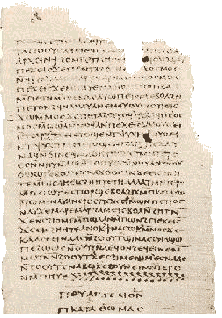
Last page of the Gospel of Thomas

P. Oxy. 655
🌟 Content And Themes
The Gospel of Thomas contains 114 sayings of Jesus. Each saying offers wisdom and teaches valuable lessons. For example, one saying talks about finding the Kingdom of God within ourselves! 🌟Some sayings remind us to love each other and seek knowledge. The book focuses on personal understanding, meaning that it encourages readers to think for themselves. 🍎This makes the Gospel of Thomas intriguing and different from other religious texts we may know, providing us insight into some of Jesus' deepest thoughts and ideas.
Go deeper🌊 History And Discovery
The Gospel of Thomas was found by a group of farmers near the Nile River in Egypt. 🌊This event happened in 1945 when they were digging in a place known as Nag Hammadi. The book is thought to be ancient, dating back to around the second century AD! 📅It is considered a "non-canonical" text, which means that it was not included in the Bible. This discovery is very important because it helps people learn more about early Christianity and the different beliefs that existed at that time. 🕊
Go deeper📜 Language And Translation
The original Gospel of Thomas was written in Coptic, an ancient Egyptian language. 📜Since its discovery, the text has been translated into many languages, such as English, Spanish, and French. Translating these ancient texts is important because it allows more people to read and learn from them! 🌍Some scholars are careful while translating to keep the original meanings, which can be tricky with old languages. This work helps us journey back in time to understand Jesus’ teachings better! ✍️
Go deeper🧐 Controversies And Criticisms
Some people criticize the Gospel of Thomas because it doesn't fit neatly into traditional beliefs about Christianity. 🧐Some argue that it appears too secretive or mystical. Others think some of its ideas might create confusion about what Jesus really taught. This disagreement encourages people to think critically about different texts and examine their beliefs. These controversies help make the study of ancient texts like the Gospel of Thomas exciting and rich in discussion! 💬
Go deeper✨ Influence On Modern Spirituality
The teachings in the Gospel of Thomas have inspired many modern spiritual thinkers and individuals. ✨People are drawn to its idea that wisdom can be found inside each of us. This message encourages self-reflection and exploration of personal beliefs. 🌈Various spiritual communities study these teachings, emphasizing the importance of understanding oneself and others. Even if you don't follow the Gospel of Thomas specifically, its themes of love, wisdom, and looking within resonate with many people today! 🕊️
Go deeper🤔 Gnosticism And Early Christianity
Gnosticism is a belief that started a long time ago, around the same time as early Christianity. Gnostics believed in obtaining secret knowledge to help them understand God and the universe. 🤔The Gospel of Thomas is often connected to Gnosticism because it teaches that knowledge and wisdom can be found within us. This idea was different from traditional Christianity, which focuses more on faith and following teachings. Early Christian groups often debated these beliefs, making the study of Gnosticism and the Gospel of Thomas super interesting! 🕉️
Go deeper📚 Comparison With The Synoptic Gospels
The Gospel of Thomas is quite different from the Synoptic Gospels, which are Matthew, Mark, and Luke. 📚The Synoptic Gospels tell the story of Jesus' life, including his miracles and teachings. However, the Gospel of Thomas is filled with sayings and doesn't follow any story. It is like a treasure chest of wisdom, while the Synoptic Gospels are more like a storybook! 📖This gives us a chance to see Jesus’ teachings in a new, creative way that encourages us to think and ponder.
Go deeper🤓 Interpretations And Scholarly Debate
Scholars, or people who study these ancient texts, have many different opinions about the Gospel of Thomas. 🤓Some think it shows a different side of Jesus, one that is more mystical and focused on self-discovery. Others believe it should be taken with caution because it differs from traditional Christian teachings. The debate continues among scholars, and they try to understand its meanings and messages. Studying these ideas can help us learn about our history and the many beliefs people have held! 🧠
Go deeper📜 Significance In The Nag Hammadi Library
The Gospel of Thomas is an important part of the Nag Hammadi Library, which includes many ancient texts. 📜This library is crucial for understanding early Christianity and Gnosticism. The findings there have changed how we see religious histories because they show that many different beliefs existed alongside each other. The Gospel of Thomas specifically offers unique insights into spiritual teachings that some might have missed in traditional texts. This makes it a treasure chest for understanding the past! 🔎
Go deeper