Glycolytic Process Facts For Kids
Glycolysis is the metabolic process that converts glucose into pyruvate, generating energy in the form of ATP in the cytoplasm of cells.
Select reading age

Glycolytic Process Facts For Kids
Videos & Quizzesincluded
About this topic
Glycolysis is a big word that means "breaking down sugar!" 🍬 It happens in the cells of our bodies and also in many living things like plants and animals. This process takes glucose (a type of sugar found in foods) and turns it into a substance called pyruvate. This helps our cells get energy to do everything from jumping and running to thinking! 🏃♂️💡 Glycolysis occurs in a part of the cell called the cytoplasm, which is like jelly inside the cell. It's an important first step to make energy for us! ⚡
Explore with ChatDinoKey Points
Glycolysis has ten steps that slowly change glucose to pyruvate.
Glycolysis is a way our cells break down sugar to create energy!
Regulation of glycolysis means controlling how fast or slow this process happens!
During glycolysis, our cells make a little bit of energy!
Enzymes are like tiny workers that help our bodies do important jobs!
Doctors and scientists study glycolysis because it’s very important for our health!
Did you know glycolysis happens in almost all living things?
Glycolysis is not the only way to turn food into energy!
Glycolysis is the first step in a big energy-making journey called cellular respiration!
Glycolysis has a rich history!
Photos of Glycolytic Process

Summary of aerobic respiration

Summary of the 10 reactions of the glycolysis pathway

Glycolysis pathway overview

Glycolytic Process — photo 4
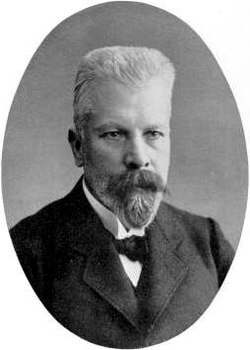
Eduard Buchner discovered cell-free fermentation.
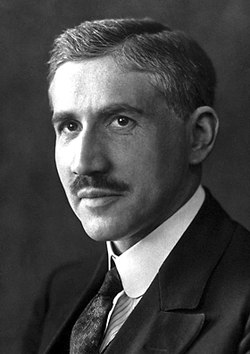
Otto Meyerhof, one of the main scientists involved in completing the puzzle of glycolysis

Structure of beta-D-fructose-6-phosphate

Structure of beta-D-fructose-1,6-bisphosphate

2D-structure D-glyceraldehyde-3-phosphate (GADP)

Chemical structure of 1,3-bisphospho-D-glycerate
🌈 Steps Of Glycolysis
Glycolysis has ten steps that slowly change glucose to pyruvate. 🌈First, glucose is split into two smaller pieces called G3P. Then, energy from other molecules helps change G3P through different steps until we get pyruvate! Each step has helpers called enzymes, which make the process quicker and easier. The steps can be thought of as a fun musical dance – moving and changing until they reach their final form! 🕺🏻💃🏽 After all the steps, we get two pyruvate molecules from one glucose!
Go deeper🌟 Definition Of Glycolysis
Glycolysis is a way our cells break down sugar to create energy! 🌟The name comes from Greek words: “glyco” means sweet or sugar, and “lysis” means to break. This process starts with glucose, which we get from foods like fruits, bread, and sweets. Once the glucose is processed, it turns into a small molecule called pyruvate. This all happens in a special part of our cells called the cytoplasm, and it helps our bodies have the energy we need to grow and play! 🍏🍞
Go deeper🐢 Regulation Of Glycolysis
Regulation of glycolysis means controlling how fast or slow this process happens! 🐢🐇 Our bodies are smart; they know when to speed things up or slow them down based on what we need. For instance, when we exercise a lot, glycolysis speeds up to make more energy! In contrast, if we haven't eaten in a while, glycolysis can slow down until we get more sugar into our bodies. This helps our cells use the right amount of energy at the right time! ⚖️
Go deeper⚡ Energy Yield Of Glycolysis
During glycolysis, our cells make a little bit of energy! ⚡We start with one glucose molecule and can produce two pyruvate molecules, plus some energy in the form of ATP (adenosine triphosphate). ATP is like a little battery that powers our cells! 🔋In the process, we also make some helper molecules called NADH, which can be used later for even more energy. So, even though glycolysis isn’t a lot of energy, it’s super important because it helps start bigger energy-making processes!
Go deeper🛠️ Enzymes Involved In Glycolysis
Enzymes are like tiny workers that help our bodies do important jobs! 🛠️ In glycolysis, there are ten important enzymes, each helping with a specific step. For example, hexokinase kicks off the process by attaching a little “ tag” to glucose. Then phosphofructokinase makes sure we're ready for the next steps! These enzymes work really hard to change sugar into energy quickly and efficiently. Without them, our bodies would take ages to turn food into energy! 🍉👷♂️
Go deeper🩺 Clinical Relevance Of Glycolysis
Doctors and scientists study glycolysis because it’s very important for our health! 🩺If glycolysis doesn't work properly, it can lead to problems like diabetes. This happens when the body struggles to handle sugar properly. Researchers are trying to understand glycolysis more so they can create new medicines to help those who are sick. 🌡️ Knowing how our bodies break down sugar allows us to take better care of ourselves and understand health better!
Go deeper🌎 Glycolysis In Different Organisms
Did you know glycolysis happens in almost all living things? 🌎Plants, animals, fungi, and even bacteria use glycolysis to turn sugar into energy! For example, humans use glycolysis to run and play, while yeast uses it to make bread rise! 🍞Even tiny bacteria use glycolysis to survive in their own ecosystems. So, whether it’s a big elephant or a little bug, glycolysis helps life all around us! 🐘🐞
Go deeper🌟 Comparative Pathways To Glycolysis
Glycolysis is not the only way to turn food into energy! 🌟There are other pathways like fermentation, which happens when there isn’t enough oxygen. Some big animals like elephants use glycolysis and then a process called the Krebs cycle. Meanwhile, some tiny organisms like yeast live without oxygen and just do fermentation. So, depending on what an organism needs and what it has to work with, glycolysis or other pathways can provide the energy necessary for life! 🐘🍞
Go deeper🗺️ Glycolysis And Cellular Respiration
Glycolysis is the first step in a big energy-making journey called cellular respiration! 🗺️ After glycolysis, if there's enough oxygen, the pyruvate goes into another process called the Krebs cycle, and then to the electron transport chain. Together, these steps help make a lot more energy! 🌍So, glycolysis is super important because it’s the beginning of how we turn food into energy that helps our bodies work and play. Yay for glycolysis! 🎉
Go deeper🍂 Historical Discoveries In Glycolysis
Glycolysis has a rich history! 🍂In the late 1800s, scientists like Eduard Buchner discovered that yeast could ferment sugar even without living cells! This was a big clue that glycolysis is happening even in tiny organisms. Later, in the 1940s, researchers named the different steps of glycolysis. So many bright minds helped figure out this important process! Today, scientists continue exploring glycolysis to find new ways to help people stay healthy! 🧑🔬🧪
Go deeper