All Articles

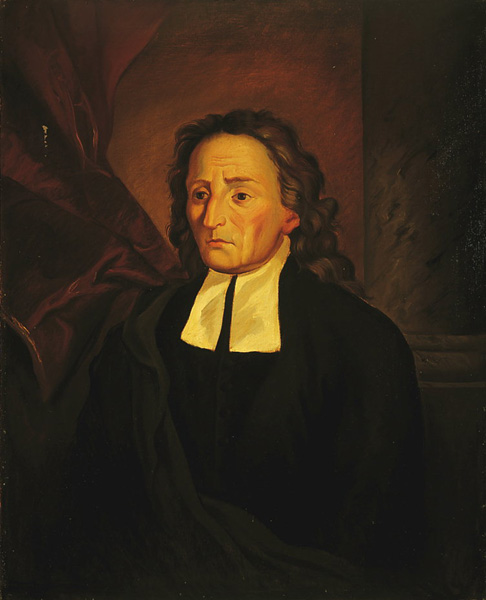
Giambattista Vico

Giambattista Vico Facts For Kids

Giambattista Vico was an influential Italian philosopher and historian during the Italian Enlightenment, known for his unique perspectives on history and society.
๐ŸŽจ Reading age for 6-8
Background blob
Giambattista Vico
Facts for Kids!

Do more with AI

Introduction

Giambattista Vico was a famous Italian thinker born in 1668 in Naples, Italy ๐Ÿ‡ฎ๐Ÿ‡น. He is known for his ideas about history and how people understand it. Vico believed that history repeats itself in cycles. He wanted people to think differently about the past, arguing that stories were just as important as facts! ๐Ÿ“šHis work influenced many future philosophers and historians. Vico passed away in 1744, but his ideas are still studied today! He loved to read and write, making him an important figure in the Age of Enlightenment when people began to question traditional ideas. ๐ŸŒŸ

Images of Giambattista Vico

During the 13th century, Saint Thomas Aquinas sought to reconcile Aristotelian philosophy with Augustinian theology. Aquinas employed both reason and faith in the study of metaphysics, moral philosophy, and religion. While Aquinas accepted the existence of God on faith, he offered five proofs of Godโ€™s existence to support such a belief.

During the 13th century, Saint Thomas Aquinas sought to reconcile Aristotelian philosophy with Augustinian theology. Aquinas employed both reason and faith in the study of metaphysics, moral philosophy, and religion. While Aquinas accepted the existence of God on faith, he offered five proofs of Godโ€™s existence to support such a belief.

Photos of Giambattista Vico
Photos of Giambattista VicoImage by self-created (Moscarlop), licensed under Creative Commons Attribution-Share Alike 3.0
"In this little room Giambattista Vico was born on June 23 1668. Here he resided until he was seventeen years old, and in the subdued little workshop of his bookseller father he used to spend the nights in his study. Youthful eve of his sublime work. The city of Naples poses." Tombstone in the house where he was born in Via San Biagio dei Librai.

"In this little room Giambattista Vico was born on June 23 1668. Here he resided until he was seventeen years old, and in the subdued little workshop of his bookseller father he used to spend the nights in his study. Youthful eve of his sublime work. The city of Naples poses." Tombstone in the house where he was born in Via San Biagio dei Librai.

Photos of Giambattista Vico
Title page of Principj di Scienza Nuova (1744 edition)

Title page of Principj di Scienza Nuova (1744 edition)

During the 13th century, Saint Thomas Aquinas sought to reconcile Aristotelian philosophy with Augustinian theology. Aquinas employed both reason and faith in the study of metaphysics, moral philosophy, and religion. While Aquinas accepted the existence of God on faith, he offered five proofs of Godโ€™s existence to support such a belief.

During the 13th century, Saint Thomas Aquinas sought to reconcile Aristotelian philosophy with Augustinian theology. Aquinas employed both reason and faith in the study of metaphysics, moral philosophy, and religion. While Aquinas accepted the existence of God on faith, he offered five proofs of Godโ€™s existence to support such a belief.

Photos of Giambattista Vico
Photos of Giambattista VicoImage by self-created (Moscarlop), licensed under Creative Commons Attribution-Share Alike 3.0
"In this little room Giambattista Vico was born on June 23 1668. Here he resided until he was seventeen years old, and in the subdued little workshop of his bookseller father he used to spend the nights in his study. Youthful eve of his sublime work. The city of Naples poses." Tombstone in the house where he was born in Via San Biagio dei Librai.

"In this little room Giambattista Vico was born on June 23 1668. Here he resided until he was seventeen years old, and in the subdued little workshop of his bookseller father he used to spend the nights in his study. Youthful eve of his sublime work. The city of Naples poses." Tombstone in the house where he was born in Via San Biagio dei Librai.

Photos of Giambattista Vico
Title page of Principj di Scienza Nuova (1744 edition)

Title page of Principj di Scienza Nuova (1744 edition)

Key Works

Giambattista Vico wrote many important books, but one of his most famous is "The New Science" (Scienza Nuova) published in 1725. ๐Ÿ“šIn this book, he outlined his ideas about history, culture, and human nature. Vico argued that societies develop over time and emphasized the importance of language and myth in shaping history. ๐Ÿ—จ๏ธ He also wrote "The Art of Rhetoric" about persuasive speaking, which helped many learn how to communicate better. Vicoโ€™s writings encouraged others to think critically and creatively about the past. His ideas laid the foundation for new approaches in studying history! ๐ŸŒ

Philosophy Of History

Vico's philosophy was all about understanding history! He believed that humans create culture and history through their experiences, not just facts and logic. The first step in his thinking is that history follows a cycle of three stages: the age of gods (myth), the age of heroes (epic), and the age of humans (reason). ๐ŸŒฑHe thought people needed to connect emotionally with the past to truly understand it. Vico emphasized imagination and creativity in how we remember history, suggesting that storytelling helps make historical events come alive! ๐Ÿ•ฐ๏ธ

Critique Of Rationalism

Rationalism focused on reason as the main way to understand the world. Vico disagreed with this view! He felt that humans are not only guided by logic but also by emotions and culture. ๐Ÿ’–According to Vico, understanding human history and society requires looking at beliefs, customs, and stories, not just facts. This is called a holistic approach! He believed that we should feel and connect with history to grasp its meaning. Vicoโ€™s thoughts encouraged future generations to look beyond pure reason and acknowledge the richness of human experiences! ๐Ÿ•ฐ๏ธ๐ŸŒ

Early Life And Education

Giambattista Vico grew up in a family that loved learning. His father was a bookseller! ๐Ÿ“–Vico was a curious boy and studied at the University of Naples starting at age 13. He learned about law, philosophy, and rhetoric โ€“ the art of persuasive speaking. ๐Ÿ—ฃ๏ธ He admired great thinkers like Descartes but thought deeply about the world from his own unique perspective. Vico faced challenges, including damage to his eyesight, but he kept studying and writing. This determination helped him create groundbreaking ideas about how society functions! ๐ŸŒ

Legacy In The Humanities

Giambattista Vico left a lasting legacy in the humanities, which includes subjects like history, philosophy, and literature! ๐Ÿ“šHis work inspired many thinkers to explore culture and context in understanding human experiences. Vico's ideas encouraged scholars to study how stories, myths, and language shape societies. ๐ŸŒToday, students learn from his innovative views on history and human nature, and his influence can be seen in literature and social studies! Many universities and books are dedicated to learning from his pioneering thoughts, ensuring his impact continues in education! ๐ŸŽ“

Vico And The Enlightenment

The Age of Enlightenment was a time of great thinking and learning. Vico lived during this period, but his ideas were a bit different from those of other Enlightenment thinkers! ๐ŸŒŸWhile many focused on reason and science, Vico highlighted the importance of culture and imagination. He believed that understanding human history required looking at emotions, stories, and traditions too! ๐ŸŒˆVicoโ€™s unique perspective contributed to the Enlightenment movement by encouraging a balance between reason and creativity, helping others see the world in a richer, fuller way! ๐ŸŒโœจ

Influence On Modern Thought

Vicoโ€™s ideas have influenced many important thinkers throughout history! His work helped shape modern fields like history, philosophy, and social sciences. ๐ŸŒŸScholars appreciate his focus on culture and language, leading to the development of cultural studies. People like Karl Marx and Friedrich Nietzsche were inspired by Vico's thoughts about human societies and history. His belief in cycles in history made thinkers look at society in new ways! Even today, we continue to explore and learn from his exciting ideas about history and human nature! ๐Ÿ“–โœจ

Vico's Concept Of Verum Factum

One of Vico's key ideas was called "Verum Factum," which means "truth is made." He believed that humans shape their reality and understanding through experiences and actions. ๐Ÿ—๏ธ For Vico, the things we create and the stories we tell help us understand the world better. He thought that creativity and imagination are just as important as facts in discovering truth! This idea was quite different from other philosophers of his time, who often focused only on logic and reasoning. Vico's approach shows how deeply connected we are to our own history! ๐Ÿง โœจ

Interactions With Other Philosophers

Giambattista Vico interacted with many other great thinkers of his time! One of them was Renรฉ Descartes, who focused on reason and logic. ๐Ÿ“œVico respected Descartes but disagreed with his ideas about how we understand the world. Vicoโ€™s ideas drew interest from Enlightenment philosophers and influenced people like Immanuel Kant and Johann Gottfried Herder! ๐ŸคThey appreciated Vico's emphasis on culture and historical understanding. His connections with other thinkers helped spread his unique views, making him a key figure in the world of philosophy and history! ๐Ÿง ๐Ÿ’ซ

Giambattista Vico Quiz

Q1
Question 1 of 10

Learn more about Giambattista Vico

Ready to create?

Make

To create a safe space for kid creators worldwide!

Create

Vibe Coding

Kids GPT

All Tools

Kibu

Resources

Worksheets

SafeTube

Blog

FAQ

Account

Pricing

Log-in

Sign-up

Data Deletion

Company

About

Community Guidelines

Privacy Policy

Terms of Service

2025, URSOR LIMITED. All rights reserved. DIY is in no way affiliated with Minecraftโ„ข, Mojang, Microsoft, Robloxโ„ข or YouTube. LEGOยฎ is a trademark of the LEGOยฎ Group which does not sponsor, endorse or authorize this website or event. Made with love in San Francisco.