Ghatam Facts For Kids
The ghatam is a traditional South Indian percussion instrument made of clay, known for its distinct resonant sound and versatile playing techniques.
Select reading age
Ghatam Facts For Kids
Videos & Quizzesincluded
About this topic
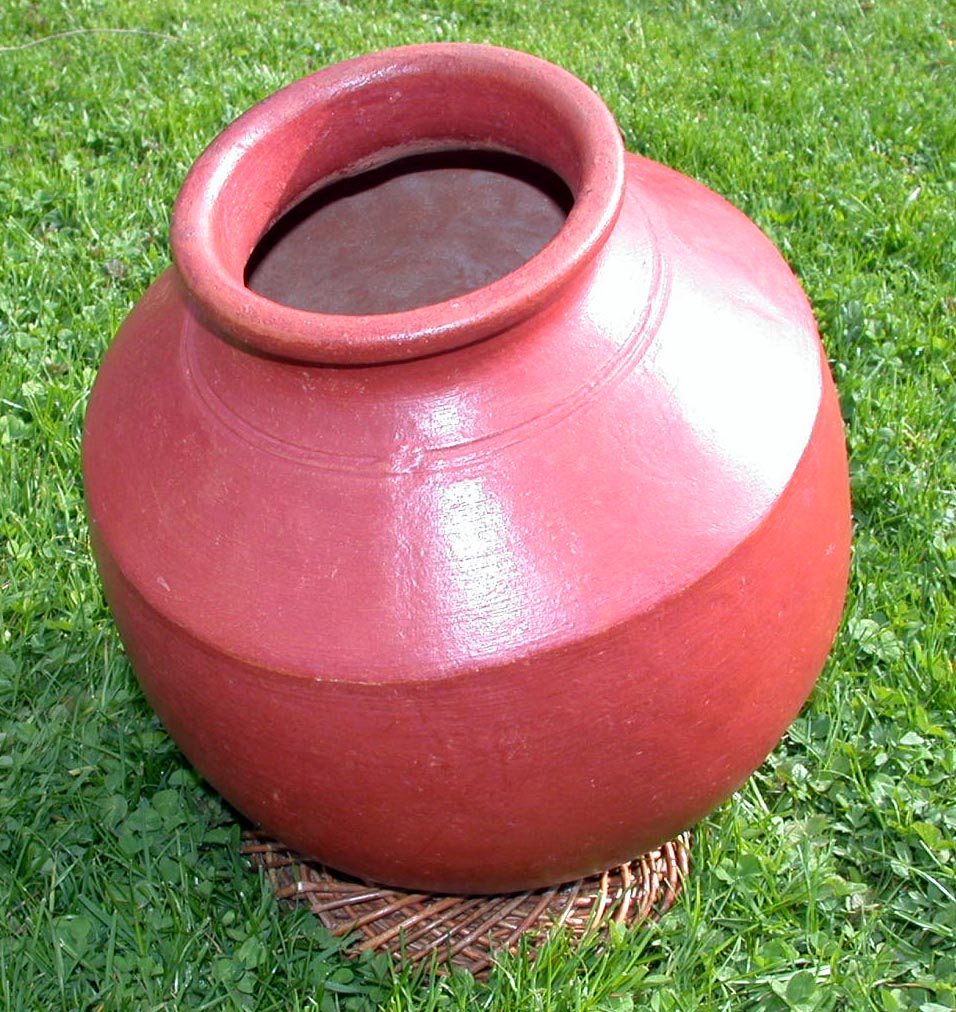
The ghatam is a fun and special musical instrument from India! 🎶It looks like a big clay pot and is played using your hands. The ghatam makes all sorts of sounds, depending on how hard you hit it. This instrument is popular in classical Indian music, especially in South India. Did you know that the ghatam is at least 2,000 years old? It’s a big part of many different music styles and helps bring joy to people who play it and listen to it! 🎉
Explore with ChatDinoKey Points
To play the ghatam, musicians use their fingers and palms!
The ghatam is very important in Indian culture!
Want to learn more about the ghatam?
Q: Is the ghatam easy to play?
The history of the ghatam goes way back to ancient India!
Many talented musicians are known for their ghatam playing!
The ghatam is made from clay, ceramic, or even metal!
While primarily associated with South Indian classical music, the ghatam has made its way into other styles too!
Photos of Ghatam

🖐️ Playing Techniques
To play the ghatam, musicians use their fingers and palms! 🖐️ They hit the surface in various ways to create different rhythms and sounds. They can tap lightly for a soft sound or hit harder for something louder! Some players even use their palms to slide around, making cool effects. Ghatam players often use their knees for support and may even use small sticks to add more beats. 🎵The more you practice, the better you get, so keep trying!
Go deeper🎉 Cultural Significance
The ghatam is very important in Indian culture! 🇮🇳 It’s often featured in dance performances, temple ceremonies, and classical music concerts. It brings people together and helps celebrate special occasions! 🎉In families, children often learn to play the ghatam to connect with their roots. Festivals like Diwali wouldn’t feel the same without it! The ghatam is also used as a way to express happiness and joy in various celebrations.
Go deeper📚 Educational Resources
Want to learn more about the ghatam? 📚Many online courses and videos can help you get started! Websites like YouTube have tutorials for beginners. Some music schools even offer classes specifically for ghatam players! 🎹You can also find books that explain ghatam’s history and how to play. Don’t forget to join local music groups to meet others who love playing the ghatam like you!
Go deeper🎉 Faqs About The Ghatam
Q: Is the ghatam easy to play?
A: Yes! 🎉With practice, anyone can learn the ghatam.
Q: Do I need to be a musician to try it?
A: Not at all! Anyone can learn, no experience needed! 🎶
Q: Where can I buy a ghatam?
A: You can find ghatams online, in music stores, or at festivals! 🛒
Q: Can I play it with other instruments?
A: Absolutely! It sounds great with drums, flutes, and more! 🎷
Go deeperA: Yes! 🎉With practice, anyone can learn the ghatam.
Q: Do I need to be a musician to try it?
A: Not at all! Anyone can learn, no experience needed! 🎶
Q: Where can I buy a ghatam?
A: You can find ghatams online, in music stores, or at festivals! 🛒
Q: Can I play it with other instruments?
A: Absolutely! It sounds great with drums, flutes, and more! 🎷
📜 History Of The Ghatam
The history of the ghatam goes way back to ancient India! 📜Historians believe it first appeared in the Tamil Nadu region. In the Tamil language, "ghatam" means 'pot.' Musicians have played the ghatam for centuries during festivals and celebrations. 🎊Famous poets even wrote about the ghatam! One legendary figure was Muthuswami Dikshitar, a famous composer from the 18th century who celebrated the ghatam in his music. For hundreds of years, it has been a key part of Indian culture and music! 🎶
Go deeper🌟 Notable Ghatam Players
Many talented musicians are known for their ghatam playing! 🌟One of the most famous is Vikku Vinayakram. He has performed all over the world and won awards for his amazing skills! Another is Ganesh Kumar, who combines the ghatam with other instruments in innovative ways. 🎶These artists inspire young players to learn and enjoy the ghatam! Their exciting performances showcase just how awesome this instrument can be!
Go deeper🌍 Construction And Materials
The ghatam is made from clay, ceramic, or even metal! 🌍Craftsmen carefully shape it into a pot-like form to produce the best sounds. The thickness of the walls can change the music it makes. Different types of clay can be used for different pitches! Some ghatams have little designs painted on them, making them look beautiful. 🎨People also add a special mixture inside for different tones. When struck it creates deep, rich sounds that are unique to this instrument!
Go deeper🎵 Ghatam In Different Musical Traditions
While primarily associated with South Indian classical music, the ghatam has made its way into other styles too! 🎵In folk songs and jazz music, you'll find exciting ways to use it. Some musicians blend traditional sounds with modern tunes, creating unique music that people love! 🌍The ghatam can be heard beyond India, in international concerts where artists collaborate. It shows how music can cross boundaries and connect cultures!
Go deeper