Georg Simmel Facts For Kids
Georg Simmel was a German sociologist, philosopher, and critic known for his influential ideas on social interactions, urban life, and the role of money in society.
Select reading age
Georg Simmel Facts For Kids
Videos & Quizzesincluded
About this topic
Georg Simmel was born on March 1, 1858, in Berlin, Germany 🇩🇪. He was a famous sociologist and philosopher, meaning he loved to think about how people interact and live together. Simmel spent a lot of time studying different topics, including cities, money, and culture. His ideas helped us understand society better! 🌍He passed away on September 28, 1918, but his work still inspires many people today. Simmel's books are filled with interesting thoughts that encourage us to question the world around us! 📚Let's explore more about this fascinating thinker!
Explore with ChatDinoKey Points
Simmel was a great cultural critic!
Simmel’s book "The Philosophy of Money" is super important!
Georg Simmel had a special way of studying social interactions called "qualitative methodology."
Georg Simmel grew up in a middle-class Jewish family in Berlin.
Simmel introduced the idea of "social forms," which helps us understand how people connect and interact!
Simmel contributed many important ideas to sociology!
Simmel's ideas are still important today and have influenced many modern social theorists!
Georg Simmel’s legacy continues today!
Georg Simmel had some similarities and differences with other famous thinkers!
Photos of Georg Simmel

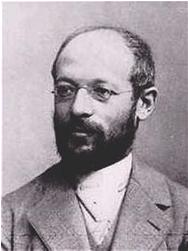
Simmel in 1914
🧐 Cultural Critique
Simmel was a great cultural critic! 🧐He looked closely at art, fashion, and technology in society, questioning how they affect our lives. For example, he wrote about how modern technology benefits us but can make us feel alienated. 📱His essay, "The Metropolis and Mental Life," talks about how city life can sometimes make people feel lonely, even when they are surrounded by others. Simmel believed that it's essential to think about how cultural changes shape our thoughts and feelings. He encouraged people to explore and understand their surroundings better! 🎨
Go deeper💰 Philosophy Of Money
Simmel’s book "The Philosophy of Money" is super important! 💰In this book, he examines how money is not just about buying things, but also about connections between people. He thought money can create distance, making our relationships more about transactions than friendship. For example, when we pay someone for a service, it may change our relationship with them. 💵Simmel also believed that money can be a powerful tool to understand society better because it affects how we live and interact with each other. His thoughts help us see the relationship between money and human feelings. 🤔
Go deeper🕵️♂️ Simmel's Methodology
Georg Simmel had a special way of studying social interactions called "qualitative methodology." 🕵️♂️ This means he focused on observing the quality of relationships rather than just counting numbers. For Simmel, understanding the meaning behind interactions was crucial. He often used detailed descriptions to explain various social forms. By interpreting situations and experiences, Simmel helped reveal deeper insights about how people relate to one another. 📊He believed that examining everyday life could help us learn about larger social patterns. His approach opened new ways for sociologists to think and study societies!
Go deeper📖 Biographical Background
Georg Simmel grew up in a middle-class Jewish family in Berlin. He was very smart and loved to read! 📖Simmel studied at the University of Berlin, where he learned about philosophy and history. He became a professor and taught many students about sociology, which is the study of how people relate to each other. Simmel wrote tons of essays and books! Some of his most famous works include "The Philosophy of Money" and "The Metropolis and Mental Life." His unique ideas were different from many other thinkers of his time. 🎓How cool is that?
Go deeper✨ Social Forms And Interaction
Simmel introduced the idea of "social forms," which helps us understand how people connect and interact! ✨For example, think about how friends behave together compared to how a teacher interacts with students. Simmel believed that the way we connect can change depending on the situation we find ourselves in. 🌐By studying social forms, we learn how groups, friendships, and even strangers influence our lives. Simmel also focused on how relationships can be fluid and change over time. His ideas help explain the dynamics of our friendships and roles in society! 🤝
Go deeper🧠 Key Contributions To Sociology
Simmel contributed many important ideas to sociology! 🧠One of his key concepts is the idea of "social forms," which refers to how people interact in different groups and settings. He studied how cities change people's behavior and thoughts, especially in big places like New York and Berlin. 🌆His work also helped improve our understanding of money and its effect on society. Simmel believed that money changes relationships between people and can even change how we feel. He also introduced the concept of "the stranger," which highlights how outsiders influence communities. 👥
Go deeper🌟 Influence On Modern Social Theory
Simmel's ideas are still important today and have influenced many modern social theorists! 🌟He helped shape areas like urban sociology, the study of how city life affects human behavior, and cultural sociology, which looks at how culture influences our lives. Many sociologists appreciate his unique way of thinking, especially his ideas about social forms and interactions. 🎉Simmel's work encourages people to think critically about society and its changes. His influence can be seen in modern discussions about technology, money, and urban living. Thanks to Simmel, we continue to explore these fascinating topics!
Go deeper🚀 Legacy And Contemporary Relevance
Georg Simmel’s legacy continues today! 🚀Many sociologists and thinkers still study his work to understand human behavior better. His ideas about money, culture, and urban life help us connect the dots in our modern world. Simmel's thoughts remind us to be aware of how our interactions and surroundings shape us. 🌆As we explore the effects of technology, social media, and urban growth, Simmel's insights are more relevant than ever. By learning from his work, we can better understand ourselves and the world around us. Let's keep questioning! 📖
Go deeper🌍 Comparative Analysis With Other Thinkers
Georg Simmel had some similarities and differences with other famous thinkers! 🌍For example, he had a friendship with Max Weber, another important sociologist. While Weber focused on how economies and politics shape society, Simmel was more interested in how personal relationships play a role. 🤔Additionally, unlike Karl Marx, who focused on class struggles and economics, Simmel paid attention to everyday social interactions. These thinkers inspired one another, but their ideas helped create different paths in sociology, offering us various perspectives on society!
Go deeper