Gelatin Facts For Kids
Gelatin is a translucent, colorless, flavorless food ingredient made mainly from collagen derived from animal body parts, used in various foods and medicinal products.
Select reading age
Gelatin Facts For Kids
Videos & Quizzesincluded
About this topic
Gelatin is a special ingredient that helps foods become jiggly and bouncy! 🥳It is made from something called collagen, which is found in the skin and bones of animals like cows and pigs. You may have seen gelatin used in desserts like jello and gummy candies! 🍬It’s usually clear and doesn’t have a strong taste, so it can blend well in many recipes. Gelatin can also be found in marshmallows and yogurt. It's super popular in kitchens around the world and is loved for adding a fun wobbly texture to treats!
Explore with ChatDinoKey Points
There are several types of gelatin!
Gelatin might not be a superfood, but it has some interesting benefits!
Did you know that people have been using gelatin for a long time?
To make gelatin, animals are used because it comes from their collagen.
The production of gelatin has some impact on the environment.
Gelatin has a special place in many cultures!
In the food industry, gelatin is a superhero ingredient!
If you don’t eat animal products, there are cool alternatives to gelatin available!
Did you know that gelatin is used in medicine too?
Gelatin isn’t just for eating!
Photos of Gelatin

Amino acid composition
![[citation needed]](https://upload.wikimedia.org/wikipedia/commons/thumb/b/b4/Materials_Used_in_Gelatin_Production.svg/330px-Materials_Used_in_Gelatin_Production.svg.png)
[citation needed]


Congealed into jelly gelatin of boiled fish with soy sauce and kept around at 8 °C. In Japan, it is called 煮凝り (Niko-gori), literally 'boiled then become flocculated/stiffened'. Not intended cooking, occurs naturally in winter, historically tasted.

Capsules made of gelatin
🌍 Types Of Gelatin
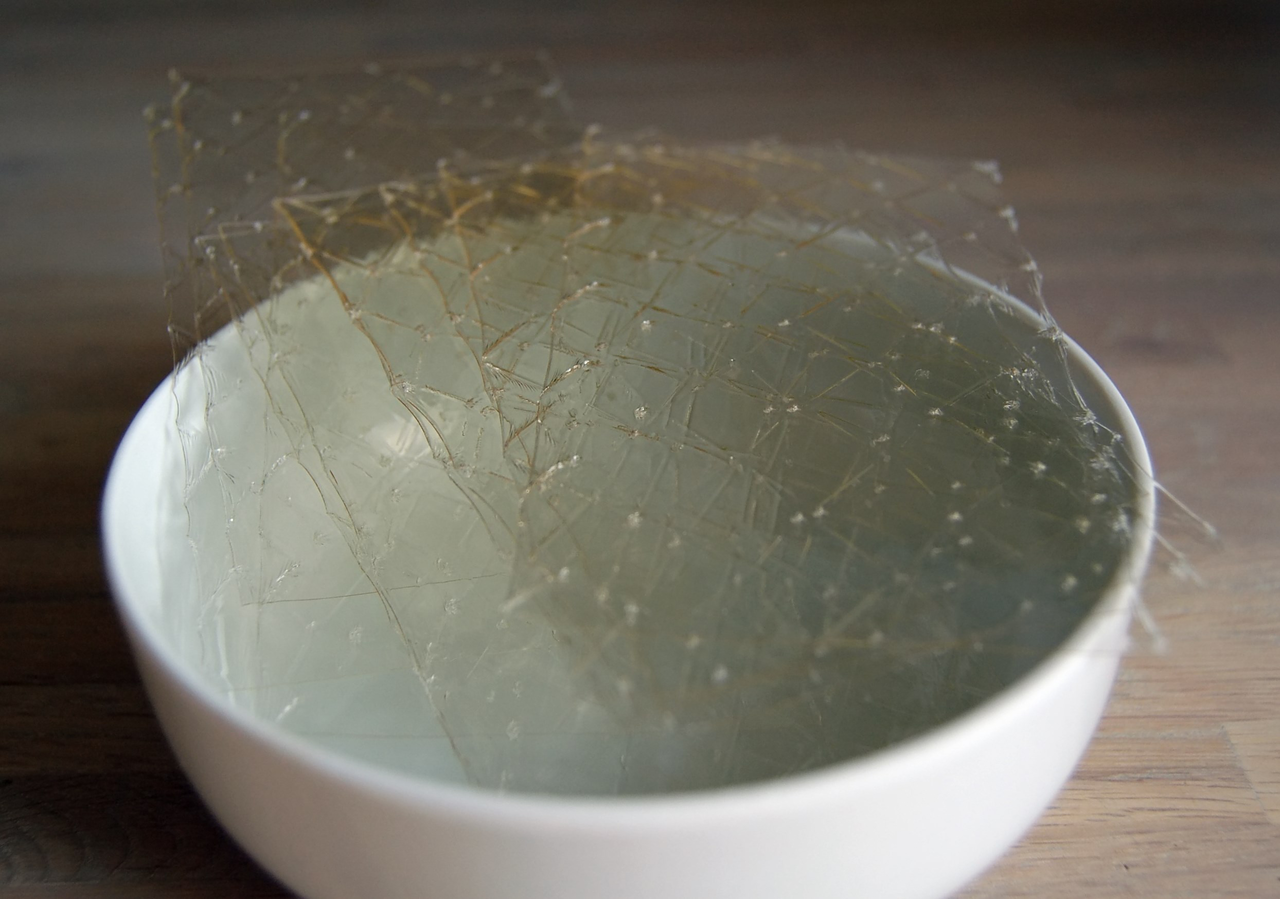
There are several types of gelatin! The most commonly used is the type made from bovine (cows) or porcine (pigs) sources. 🌍You can find it in powdered form and sheet form for cooking. There’s also something called agar-agar, which is made from seaweed and is a vegetarian alternative. 🥗Another option is pectin, found in fruits, often used in jams and jellies. Different types can change in texture, so it's fun to experiment with them in your recipes! Which one do you want to try first?
Go deeper🤓 Nutritional Value
Gelatin might not be a superfood, but it has some interesting benefits! 🤓Unlike fruits and vegetables, it doesn’t have many vitamins or minerals. However, gelatin is high in protein, which is important for your body to grow strong! 💪It's also good for your skin and joints. Each serving of gelatin can give you about 2 grams of protein. You won’t fill up on it alone, but combined with other healthy foods, it can add some extra goodness to your snacks!
Go deeper🤔 History Of Gelatin
Did you know that people have been using gelatin for a long time? 🤔Historians believe that the first time gelatin was made was around 3000 BC! Ancient Egyptians used animal bones to create it. 🐪In the 15th century, chefs in Europe began making dishes with gelatin. By 1845, a man named Peter Cooper invented the first powdered gelatin. By 1897, a company called Jell-O made it famous because it was quick and easy to use! Now, gelatin is found in millions of desserts enjoyed by kids and adults everywhere!
Go deeper🐄 Production Process
To make gelatin, animals are used because it comes from their collagen. 🐄The process starts with cleaning the animal parts like skin and bones. Then, they are boiled in water to release the collagen. 💧After that, the liquid is cooled and forms a jelly-like substance. Finally, it is dried and turned into powder or sheets. This is what you see in stores! It’s important for manufacturers to ensure everything is safe and clean, so the gelatin you eat is super safe and yummy!
Go deeper🌱 Environmental Impact
The production of gelatin has some impact on the environment. 🌱Because it comes from animals, it’s important to think about animal welfare. Some farms raise animals in ways that are better for the planet. 🐷Efforts are being made to find more sustainable ways to produce gelatin, like using plant-based alternatives (like agar-agar). Everyone can help by choosing products that are more environmentally friendly, ensuring a healthier planet for future generations!
Go deeper🌏 Cultural Significance
Gelatin has a special place in many cultures! 🌏In America, jello is a favorite party treat, while in Japan, a sweet called mizu yokan is enjoyed during hot summers. Each culture has its own recipes, like the traditional aspic made in Europe with savory meat jelly. 🍽️ Jellies and desserts have been an exciting part of celebrations in cultures worldwide, showing how gelatin brings people together through food. Can you think of a gelatin dish from your culture or somewhere you want to visit?
Go deeper🦸♀️ Uses In Food Industry
In the food industry, gelatin is a superhero ingredient! 🦸♀️ It helps make gummy bears chewy and gives marshmallows their fluff. It’s also used to thicken soups, sauces, and yogurts. 🥘Gelatin can help to stabilize whipped cream and make desserts like mousse extra creamy! It’s even found in some cheeses! Many bakers and chefs rely on gelatin to create amazing dishes because it helps ingredients stick together and gives them that delightful texture. What yummy foods can you think of that might have gelatin?
Go deeper🥑 Alternatives To Gelatin
If you don’t eat animal products, there are cool alternatives to gelatin available! 🥑Agar-agar, made from seaweed, is a popular choice for dessert lovers. There’s also pectin, which is made from fruits, and carrageenan from red seaweed. 🥥These can be used to make jellies, puddings, and other delightful goodies just like gelatin! So, if you’re a vegetarian or vegan, don't worry—there are plenty of yummy substitutes out there! What delicious treat would you create using these alternatives?
Go deeper🚑 Applications In Medicine
Did you know that gelatin is used in medicine too? 🚑It helps make medicine capsules and is sometimes found in bandages! The capsules dissolve quickly in your tummy, making it easier to take medicine. 🩹Additionally, gelatin can help scientists create scaffolds for new skin or other tissues during medical experiments. It’s also used in some vaccines and helps to ensure they are just right. So, gelatin isn’t just for fun treats; it plays an important role in keeping us healthy too!
Go deeper🎨 Gelatin In Arts And Crafts
Gelatin isn’t just for eating! 🎨You can use it in arts and crafts as well. Young artists can make cool projects by mixing gelatin with water to create a gelatin art surface. Kids have been known to make stamps with it or even create cute, colorful molds with it! 🖌️ Gelatin can also be used to make temporary tattoos or as a binder in making beautiful crafts. It's a fun way to get creative and explore art! What cool project would you make with gelatin?
Go deeper