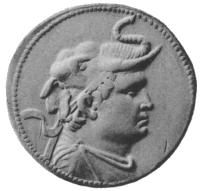
Gandhara was an ancient Indo-Aryan civilization known for its rich cultural heritage, especially its contributions to Buddhism, art, and trade, situated in what is now north-west Pakistan and north-east Afghanistan.

Set reading age
View for Kids
Easy to read and understand
View for Students
Clear, detailed explanations
View for Scholars
Deep dives and big ideas
Gandhara was an ancient civilization that existed over 2,000 years ago! It was located in what we now call north-west Pakistan and north-east Afghanistan. 🌍People lived in this region from around 600 BCE to 400 CE. Gandhara was famous for its beautiful art, trade, and as a place where Buddhism spread. The people spoke the Gandhari language. They were known for their skill in making vibrant sculptures and coins. Gandhara was like a melting pot, where cultures from India, Persia, and Greece mixed together! This blend made it a special place for learning and creativity. 🎨✨
Gandhara has many famous sites that show its culture and history! One of the most well-known sites is Taxila, where ancient universities and stupas are located. 📚Another important site is the Kanishka Stupa, built in honor of King Kanishka, who helped spread Buddhism. 🏰The site of Peshawar is also significant, as it has many remnants from the Gandharan period. These places are not only beautiful but also hold stories of the past. Many students and tourists visit them to learn about Gandhara's rich culture and history! 📸Each site gives us a glimpse of how people lived and believed long ago!
Gandhara was famous for its vibrant culture and stunning art! 🎭The people created beautiful sculptures, paintings, and textiles. Their art often depicted scenes from the life of Buddha and other important figures. Many artists from different cultures shared their ideas, making it unique! The art style mixed Indian, Greek, and Persian influences, creating something special. 🎨Many sculptures were made from stone, and they showed deep emotions and details, like clothes and facial expressions. Festivals and celebrations were also common, where people danced, sang, and enjoyed delicious food! Gandhara was a place of creativity and joy! 🎉
Trade was super important in Gandhara! 🚀The region was located along the Silk Road, a major route connecting Asia and Europe. This meant that many traders came through Gandhara, bringing goods like silk, spices, and precious stones! 💎The local people also traded items like wool and textiles. Markets were lively places where people sold their products, and everyone gathered to buy and sell. This trade helped the economy grow and made Gandhara wealthier! The blend of cultures in Gandhara also made it a place where ideas and goods flowed freely, making it an exciting hub of activity!
Eventually, Gandhara began to decline around the 5th century CE due to invasions by other empires like the Huns and the Sassanids. ⚔️ The art and culture were affected, but Gandhara's legacy still lives on! 🌱Many of its ideas spread through trade and helped shape other cultures in regions like India and Central Asia. The wonderful sculptures and architecture continue to inspire artists and historians today. Museums around the world showcase Gandharan art, allowing people to appreciate this ancient civilization's creativity and knowledge! So, even though Gandhara may have declined, its impact on history and culture remains strong and vital! 🌟
Gandharan sculpture is a famous art form that represents the creativity of the Gandhara people! 🗿The artists created detailed statues of Buddha, gods, and goddesses, often using white and grey stone. These sculptures displayed human emotions wonderfully and were often life-sized or larger. They used great techniques to show flowing clothes, facial expressions, and even intricate details like jewelry! 💍These sculptures were placed in temples and stupas for worship, teaching people about important stories and beliefs. Gandharan sculptures are not just art; they are also a way to understand the culture and feelings of the people from this amazing civilization!
Gandhara has a rich history! It began around 600 BCE when small villages formed. By 400 BCE, the famous king Darius III of Persia ruled Gandhara. 🌟In 327 BCE, the great conqueror Alexander the Great visited! After that, in the 3rd century BCE, Emperor Ashoka of India made Buddhism popular there. 📚From 1 to 400 CE, Gandhara became famous for its art and trade. But by the 5th century, other empires began taking over, leading to its decline. So, Gandhara had a busy and exciting history, filled with important events and people who shaped its story!
Gandhara was located in a beautiful valley surrounded by mountains, rivers, and plains! 🏞️ The famous rivers, such as the Indus River, helped make the land fertile, which was great for farming. The region is now divided into parts of Pakistan and Afghanistan. Major cities included Taxila and Peshawar. Taxila was super important for trade and education! 🌾The area’s geography allowed different cultures to meet and trade, which helped Gandhara flourish. The climate is often dry, but the rivers provided water for crops. So, Gandhara was not only pretty but also a great place for people to live!
Gandhara played a critical role in spreading Buddhism! 🌼Many teachers and monks came to the region to share Buddhist ideas. They taught people about the Four Noble Truths and the Eightfold Path, which help guide one's life towards peace and happiness. The famous sculpture representing Buddha was created here, which helped people understand and appreciate his teachings. 📖Due to its location along trade routes, ideas from Gandhara spread far and wide, reaching places like China and Central Asia! Because of this, Gandhara is often considered a bridge connecting different cultures through Buddhism and shared beliefs about kindness and compassion! 🌏
Religion was very important in Gandhara! One of the main religions was Buddhism, which believed in peace and kindness. 🕊️ A famous king named Ashoka helped spread Buddhism in the 3rd century BCE. He built many stupas (Buddhist monuments) where people could pray and learn. 📿Hinduism was also practiced, along with other beliefs like Zoroastrianism. The people thought deeply about life and often discussed philosophy, which is trying to understand big ideas like existence and happiness. 🤔Gandhara became a center for learning, where many wise people shared thoughts about different religions and philosophies!
Gandhara was known for its impressive architecture and monuments! 🏛️ The people built grand stupas, monasteries, and temples that you can still see today. The most famous monument is the Dharmarajika Stupa in Taxila. These structures were often made from bricks and stone and decorated with beautiful carvings. 🏗️ Many stupas contained relics (remains or personal objects) of important Buddhist figures. The architecture combined Indian and Greek styles, making it unique! People visited these monuments for worship and learning, showing how important religion was in their everyday lives. Gandhara’s buildings tell us so much about its people and beliefs!


DIY is a creative community where kids draw, build, explore ideas, and share.
No credit card required