Flag Of Bolivia Facts For Kids
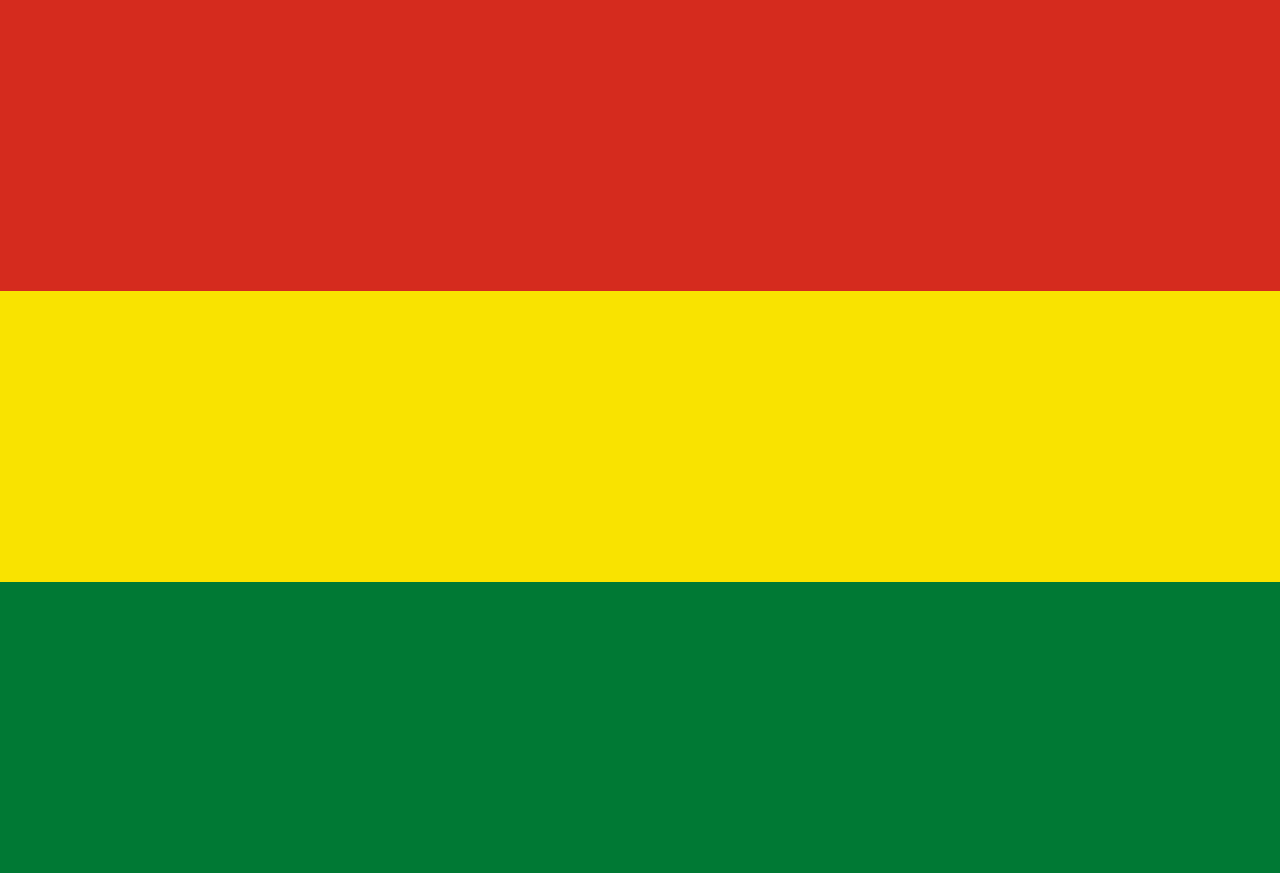
The national flag of Bolivia, adopted in 1851, features red, yellow, and green stripes symbolizing courage, wealth, and nature, embodying the country's identity and history.
Select reading age
Flag Of Bolivia Facts For Kids
Videos & Quizzesincluded
About this topic
The flag of Bolivia has bright colors and a beautiful design! 🎨It features three horizontal stripes: red on the top, yellow in the middle, and green on the bottom. In the center, there is a coat of arms that includes a condor, the national bird, and a llama, which is an important animal for the country. The flag was officially adopted in 1851 but has changed a little over the years. Did you know Bolivia is in South America? It’s a landlocked country, which means it doesn't have any oceans around it! 🌎
Explore with ChatDinoKey Points
The Bolivian flag has had several designs throughout history.
The flag of Bolivia is used on special occasions and celebrations.
In Bolivia, different regions sometimes have special versions of the national flag.
Each color in the Bolivian flag has a special meaning.
The Bolivian flag is very important to the country's identity and culture.
In Bolivia, Flag Day is celebrated on August 17.
The history of Bolivia's flag dates back to 1825 when Bolivia gained independence from Spain.
Let’s dive deeper into the colors of the Bolivian flag!
Sometimes, people argue about the flag's design and its meaning.
The Bolivian flag is quite unique but shares similarities with flags from other countries.
Photos of Flag Of Bolivia

The Wiphala and the tricolor flying on the presidential Palacio Quemado in La Paz.

State Flag of Bolivia on flagpole

The 1831–51 flag on a cigarette card
🎨 Flag Evolution
The Bolivian flag has had several designs throughout history. 🎨The first flag after independence had only red and yellow stripes. Later, in 1851, the green stripe was added to represent agriculture and land. 🇧🇴 In 1888, they included a coat of arms, representing the nation. In 2009, Bolivia officially became a Plurinational State, and the coat of arms was revised to show diversity and inclusion. 🎉Now, the flag is a symbol for everyone in Bolivia, celebrating their rich cultures and shared history!
Go deeper🎈 Usage And Protocol
The flag of Bolivia is used on special occasions and celebrations. 🎈Rules about how to treat the flag are very important! When displayed, it should always be flying higher than other flags. People should stand when the flag is raised and never let it touch the ground. 🚫If the flag gets damaged, it must be destroyed respectfully. During national holidays like Independence Day on August 6, the flag is proudly displayed everywhere! 🎆This shows how much Bolivians love their country and their flag!
Go deeper🏞️ Regional Variations
In Bolivia, different regions sometimes have special versions of the national flag. 🏞️ For example, some indigenous groups display flags that include their symbols or colors that reflect their unique traditions. One famous variation is the Wiphala, a rainbow-colored flag that represents the Aymara and Quechua people. 🌈The Wiphala is recognized officially in Bolivia, highlighting the importance of indigenous cultures. 🕊️ These variations celebrate the country's diversity and show how many different people call Bolivia home! 🥳
Go deeper🦸♂️ Design And Symbolism
Each color in the Bolivian flag has a special meaning. The red stripe represents the bloodshed of those who fought for Bolivia's independence. 🦸♂️ The yellow stripe stands for the country’s rich natural resources, like gold and minerals! 💰Finally, the green stripe symbolizes the fertile land and agriculture that helps feed the people. 🌱In the middle, the coat of arms shows Bolivian pride and strength. The condor represents liberty, while the llama stands for strength and resilience. Together, they show what it means to be Bolivian! 🇧🇴
Go deeper🎉 Cultural Significance
The Bolivian flag is very important to the country's identity and culture. 🎉People display their flags during traditional festivals, parades, and sports events to show pride in their nation. The flag also encourages unity among Bolivia's many ethnic groups, such as the Quechua and Aymara people. 👐When citizens see the flag, it reminds them of their shared history and dreams for the future. It brings people together, no matter their background, making it a powerful symbol of what it means to be Bolivian! 🥳
Go deeper🎉 Flag Day Celebrations
In Bolivia, Flag Day is celebrated on August 17. 🎉This day honors the history and significance of the national flag. People participate in parades, cultural events, and ceremonies to show their love for their country. 🇧🇴 Schools and communities often display the flag proudly and teach about its meaning. 🎈Special songs and dances may happen during these celebrations, demonstrating national pride! It’s a joyful day where everyone can come together and celebrate Bolivia’s beautiful flag and rich culture! 🎊
Go deeper🎉 Historical Background
The history of Bolivia's flag dates back to 1825 when Bolivia gained independence from Spain. 🎉The first flag was different and featured a simple design. In 1851, the three-striped flag was officially adopted. Over the years, the flag has become a symbol of unity for the diverse cultures in Bolivia, including indigenous groups. 🤝The current design reflects Bolivia's official status as the Plurinational State of Bolivia, recognizing the country's many different ethnicities. This means all people and cultures in Bolivia are important and valued! 🌍
Go deeper🦸♀️ Colors And Their Meanings
Let’s dive deeper into the colors of the Bolivian flag! Red stands for bravery and the blood of heroes who fought for freedom. 🦸♀️ Yellow symbolizes wealth, shining like the sun and the natural resources found in Bolivia. ☀️ Green represents hope and the lush landscapes that provide food and life for its people. 🌿When these colors come together, they create a beautiful flag that tells a story of strength, prosperity, and resilience! This makes the Bolivian flag not just pretty, but full of meaning! 🌈
Go deeper🤔 Controversies And Debates
Sometimes, people argue about the flag's design and its meaning. 🤔Some want different symbols to represent all ethnic groups in Bolivia even more clearly. The coat of arms has changed a few times, leading to discussions about what should be included. Some also believe the colors could reflect more elements of Bolivian culture. 😮Such debates show how much people care about their flag and want it to represent everything that makes Bolivia special! ✨
Go deeper🌍 Comparison With Other National Flags
The Bolivian flag is quite unique but shares similarities with flags from other countries. 🌍For example, like the flag of Ethiopia, Bolivia has horizontal stripes. 🌈Both flags display bright colors representing their people's culture and history. But unlike many flags, the Bolivian flag has a coat of arms in the center, which tells a more detailed story than some others. 🇧🇴 This makes the Bolivian flag stand out, showcasing the country's rich culture in a special way! 🎨
Go deeper