Fishing Cat Facts For Kids
The fishing cat is a unique medium-sized wild cat from South and Southeast Asia, known for its swimming ability and preference for wetland habitats.
Select reading age
Fishing Cat Facts For Kids
Videos & Quizzesincluded
About this topic
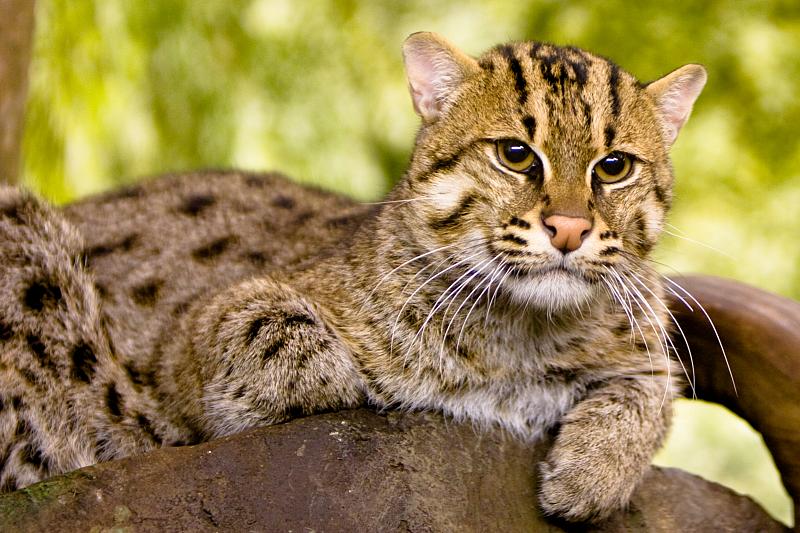
The fishing cat is a unique wild cat found in South and Southeast Asia! 🐱🌊 It is called the "fishing cat" because it loves to catch fish. This medium-sized cat usually weighs between 15 to 35 pounds and has a short, thick coat with beautiful spots. You can find these amazing cats in countries like India, Bangladesh, Vietnam, and Thailand. Fishing cats are mostly nocturnal, which means they are active during the night. Their scientific name is Prionailurus viverrinus, and they are sometimes mistaken for domestic cats because of their size, but they have some super cool features!
Explore with ChatDinoKey Points
The fishing cat is considered vulnerable, meaning it is at risk of becoming endangered!
Fishing cats face several threats that endanger their survival in the wild.
In some cultures, fishing cats are revered and celebrated!
Fishing cats can be found in wetlands, swamps, and mangroves, especially near rivers and lakes!
Fishing cats have special features that help them survive in their watery homes!
This wild cat has a diet mainly consisting of fish, but that's not all!
Fishing cats usually mate during the rainy season, which is when their prey is plentiful.
Scientists and researchers study fishing cats to learn more about their habits and help conserve them!
Fishing cats share similarities and differences with other wild cats!
Photos of Fishing Cat

Fishing Cat — photo 1

A fishing cat kitten showing its webbed paw

A fishing cat at the National Zoological Park

A fishing cat in the Sundarbans

A fishing cat in Nepal

A fishing cat in the Godavari mangroves at night

Juvenile fishing cat at the National Zoological Park
🐾 Conservation Status
The fishing cat is considered vulnerable, meaning it is at risk of becoming endangered! 🐾According to the International Union for Conservation of Nature (IUCN), their numbers are decreasing mainly due to habitat loss. Wetlands where they live are being drained for agriculture, and pollution is harming their food sources. 🦠Conservation efforts are underway to protect these fantastic cats. By creating protected areas and raising awareness, we can help ensure that fishing cats have a place to live and thrive in the wild! 🌿Every little effort counts in saving these amazing creatures!
Go deeper🚨 Threats To Survival
Fishing cats face several threats that endanger their survival in the wild. 🚨Habitat loss is the biggest problem, as wetlands are drained for farming and urban development. This makes it hard for fishing cats to find their food and shelter. Additionally, pollution in rivers and lakes affects fish populations, making it even more challenging for these cats to eat. 🥵Overhunting by humans is another threat, as fishing cats may be trapped by accident or killed out of fear. To protect these cats, we must understand their needs and respect their habitat!
Go deeper🎉 Cultural Significance
In some cultures, fishing cats are revered and celebrated! 🎉In Hindu mythology, the fishing cat is sometimes seen as a symbol of grace and adaptability. In certain regions, people share stories of fishing cats to teach children about nature and the importance of protecting their environment. 🎣Additionally, local communities rely on wetlands, which benefit from healthy fishing cat populations. By preserving the fishing cat's habitat, people also support fishing and agriculture, creating a balance with nature. 🌏These cats are more than just wild animals; they are an important part of the ecosystem and cultural heritage!
Go deeper🌴 Habitat And Distribution
Fishing cats can be found in wetlands, swamps, and mangroves, especially near rivers and lakes! 🌴In South Asia, they inhabit areas such as the Sundarbans, located in India and Bangladesh, which is known for its lush vegetation. In Southeast Asia, they are found in countries like Thailand and Cambodia, where there are plenty of rivers. 🗺️ Fishing cats love watery habitats because they hunt fish and other aquatic animals. Unfortunately, their homes are getting smaller due to human activities, making it difficult for these cats to thrive in their natural environments.
Go deeper💦 Physical Characteristics
Fishing cats have special features that help them survive in their watery homes! 💦This wild cat has webbed feet that act like little paddles, making it easier to swim. Their fur is usually gray with dark spots, which helps them blend in with their surroundings. The fishing cat's eyes are big and bright, perfect for spotting fish in murky waters! 🐟They also have long whiskers that help them sense their environment. On average, fishing cats grow to be about 24 to 36 inches long, excluding their tails, which helps them keep balance while climbing trees or jumping into water!
Go deeper🐠 Diet And Hunting Behavior
This wild cat has a diet mainly consisting of fish, but that's not all! 🐠Fishing cats also eat frogs, crabs, and small birds. They are skilled hunters and often hunt by wading in the water. Using their sharp claws and quick reflexes, they can quickly catch fish that swim by. Sometimes, fishing cats will even dive underwater to grab their meal! 🌊They use a special technique: they splash water to scare their prey. This makes them one of the few cats that love water! They are very good at staying still and waiting for just the right moment to pounce.
Go deeper🌧️ Reproduction And Lifespan
Fishing cats usually mate during the rainy season, which is when their prey is plentiful. 🌧️ After mating, the female will find a safe place to give birth, often in dense vegetation near water. A litter usually consists of 2-4 adorable kittens! The kittens are born with their eyes closed and weigh about 200 grams. 🐾They become independent at about 6-7 months old. In the wild, fishing cats live about 10-12 years, but they can live longer in captivity, sometimes reaching up to 15 years! Their caring mothers teach them how to hunt and survive in their watery habitats.
Go deeper🔍 Field Studies And Research
Scientists and researchers study fishing cats to learn more about their habits and help conserve them! 🔍They often use cameras in the wild to watch these cats without disturbing them. Learning about what fishing cats eat, their breeding habits, and how they interact with their environment is essential. Some researchers track fishing cats with GPS collars to monitor their movements. 🛰️ These studies help conservationists create safe environments for the fishing cat. The information gathered also helps in educating local communities on keeping these amazing creatures safe and thriving!
Go deeper🐅 Comparison With Other Cat Species
Fishing cats share similarities and differences with other wild cats! 🐅For instance, they are part of the same family as the domestic cat but are much larger. Unlike tigers or lions, fishing cats prefer wetland habitats and feed mainly on fish. Their webbed feet set them apart from other cats since they are excellent swimmers! 💦While some wild cats, like the serval, also hunt small mammals and birds, fishing cats focus more on aquatic prey. Each cat species has unique adaptations that help them survive in their specific habitats! 🐾Understanding these differences helps us appreciate the diversity of the wild cat family.
Go deeper