Finger Cymbals Facts For Kids
Finger cymbals are small, percussive instruments typically used in dance or musical performances to create sharp and rhythmic sounds.
Select reading age
Finger Cymbals Facts For Kids
Videos & Quizzesincluded
About this topic
Finger cymbals, also known as "zills," are small, round metal instruments that musicians wear on their fingers. 🎶They create a bright, happy sound when struck together! Originating thousands of years ago, these instruments are used mainly in dances and music, especially in countries like Turkey, Egypt, and Greece. 🌍Finger cymbals can vary in size, shape, and sound, making them fun to play! They are often played by dancers, especially belly dancers, enhancing their movements with rhythm. 💃Whether you see them in performances or hear them in songs, finger cymbals add sparkle to music!
Explore with ChatDinoKey Points
Playing finger cymbals involves fun techniques!
Finger cymbals, or zills, hold great cultural significance!
Learning about finger cymbals is exciting!
Finger cymbals are used in many songs and music styles!
There are several types of finger cymbals around the world!
The history of finger cymbals dates back to ancient times!
Finger cymbals are crafted from various materials!
Many talented musicians and dancers love finger cymbals!
Photos of Finger Cymbals

4th century A.D. relief of Greek dancer with cymbals. Roman artwork from Mildenhall Treasure. Modern dancers use varieties of zills, finger cymbals or castanets.

Dancing girl playing Zills from Qajar Era.
🎵 Playing Techniques
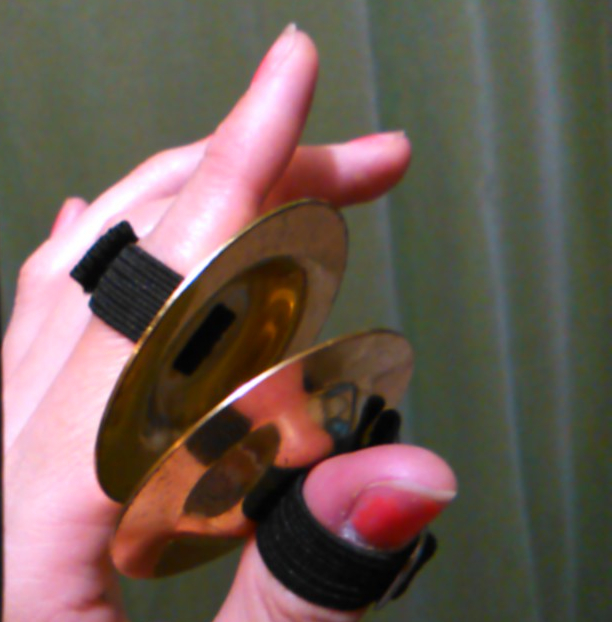
Playing finger cymbals involves fun techniques! 🎵First, you slip one cymbal onto the thumb and one on the middle finger. Hold your hand slightly curved, ready to strike! 🎹To play, tap the cymbals together gently for softer sounds or firmly for louder ones. You can create rhythms by alternating fingers or adding quick beats! Timing is important, so practicing with music helps! 🎧Some dancers use their hips and arms while playing, making the performance lively. With practice, you can become a finger cymbal expert, making beautiful music that makes everyone want to dance! 💃
Go deeper🌍 Cultural Significance
Finger cymbals, or zills, hold great cultural significance! 🌍In Middle Eastern dance, they highlight the rhythm and add energy to performances. Dancers wear them to enhance their storytelling through movement. In Turkey, zills symbolize celebration and joy during festivals and weddings! 🎊In Indian culture, "manjeera" represents devotion and is played during religious celebrations. Finger cymbals connect people, bringing diverse traditions together through music. They remind us how rhythm and sound can speak to different cultures, uniting them in joyful expression! 🎶
Go deeper📚 Educational Resources
Learning about finger cymbals is exciting! 📚You can start by visiting music museums or cultural festivals where you can see and hear them played live. 🎊There are many fun videos online showing how to play finger cymbals, including tutorials and dance performances! 🎶Books about world music and instruments also provide great information. Local music teachers may offer classes, teaching you how to play finger cymbals. 🎤Remember, practice makes perfect! You can also explore different musical styles and cultures, joining the fun of playing this beautiful instrument! Let’s make some music! 🎉
Go deeper🎶 Finger Cymbals In Music
Finger cymbals are used in many songs and music styles! 🎶You can hear them in Middle Eastern folk music, creating joyful and lively tunes. In Indian classical dance, they add rhythm and enhance storytelling through movement. 🎵Famous musicians in world music often incorporate finger cymbals for their unique sound! 🌍Many modern bands also include them, blending traditional sounds with new styles! For example, you can hear finger cymbals in dance music or fusion genres. This makes them a vibrant part of both traditional performances and today's music! 🎤
Go deeper🎊 Types Of Finger Cymbals
There are several types of finger cymbals around the world! 🎊The most common are the Turkish zills, which are usually made of brass or bronze. They come in multiple sizes and create different tones. The Egyptian version is often larger and has a richer sound. 🎼In India, finger cymbals called "manjeera" are often used in classical dance. They are usually made of metal but can also be made from clay or wood, producing unique sounds! 🪕Each type is distinct, making it exciting to explore their different sounds and styles in music and dance.
Go deeper🏺 History Of Finger Cymbals
The history of finger cymbals dates back to ancient times! 🏺Some believe they were first used in the Middle East over 4,000 years ago. The Egyptians played them during festivals. 🌞In Turkey, they have been a part of traditional dance for centuries. Finger cymbals also traveled to India, where they became popular in classical dances. 🎉The sounds evolved with cultures, blending into many music styles. Today, finger cymbals are important in Middle Eastern and Mediterranean music. They remind us of rich history and traditions shared through generations of musicians and dancers!
Go deeper🌟 Construction And Materials
Finger cymbals are crafted from various materials! 🌟The most common materials are brass and bronze, as they create bright sounds. Some musicians choose aluminum for a lighter feel. 🪕Other materials, like copper, can produce a warmer sound. The thickness of the cymbal also affects the tone—thicker cymbals sound deeper while thinner ones are higher-pitched! 🎶They can be shaped in different ways, forming a cup-like structure to resonate sound better. 🏺Each material and design gives finger cymbals their special voice, making them uniquely suited for different musical styles!
Go deeper🎶 Famous Players And Influencers
Many talented musicians and dancers love finger cymbals! 🎶One famous belly dancer is Samia Gamal, who helped popularize their use during performances in the 1950s! 🌟Another influential performer is the Indian classical dancer, Madhavi Mudgal, known for using "manjeera" in her dances. 🎤In modern music, artists like Sheila Chandra incorporate finger cymbals in their songs, showcasing their versatility! Many world music bands from around the globe use finger cymbals to add sparkle and rhythm! 🌍These influential players inspire young musicians to explore the beauty and joy finger cymbals bring to music and dance!
Go deeper