Fagopyrum Esculentum Facts For Kids
Fagopyrum esculentum, commonly known as buckwheat, is a gluten-free flowering plant from the knotweed family, cultivated for its grain-like seeds and as a cover crop.
Select reading age

Fagopyrum Esculentum Facts For Kids
Videos & Quizzesincluded
About this topic
Buckwheat, scientifically known as Fagopyrum esculentum, is a flowering plant 🌸 that belongs to the knotweed family called Polygonaceae. Despite its name, buckwheat is not a grain like wheat but rather a seed! 🍂It's mainly grown in countries like China, Russia, and the United States. Farmers love buckwheat because it grows quickly, has beautiful white flowers, and helps improve soil health. It’s not just a food source; it also attracts helpful insects like bees 🐝! Buckwheat grows well in many types of soil, making it a super plant for farmers. 🌱
Explore with ChatDinoKey Points
Buckwheat is super versatile in the kitchen!
Eating buckwheat has many health benefits.
Buckwheat seeds are super nutritious!
Just like any plant, buckwheat can face pests and diseases.
Growing buckwheat is beneficial for the environment!
Buckwheat plants can grow from 1 to 4 feet tall and have broad, heart-shaped leaves 🍃.
Buckwheat is important in many cultures around the world.
Farmers start by planting buckwheat seeds in spring or summer, depending on their location.
Buckwheat is classified as follows: it belongs to the kingdom Plantae and the family Polygonaceae, which includes knotweeds and rhubarbs.
Scientists are very interested in buckwheat for various reasons!
Photos of Fagopyrum Esculentum

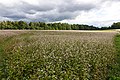
Buckwheat with flowers, ripe and unripe seeds

Fagopyrum Esculentum — photo 2
Fagopyrum Esculentum — photo 3

Fagopyrum Esculentum — photo 4

Fagopyrum Esculentum — photo 5
Fagopyrum Esculentum — photo 6
Fagopyrum Esculentum — photo 7

Buckwheat flour
🍳 Culinary Uses
Buckwheat is super versatile in the kitchen! 🍳You can eat the seeds whole, or they can be ground into flour for pancakes, noodles, and bread. Buckwheat pancakes are fluffy and delicious! 🥞In Asian cuisines, buckwheat noodles called "soba" are very popular. They can be served hot or cold with tasty sauces. In Russia, people love buckwheat porridge, sometimes enjoyed with butter or fruits. 🍓Whether you use buckwheat to bake or boil, it adds a unique flavor to many yummy dishes!
Go deeper❤️ Health Benefits
Eating buckwheat has many health benefits. It helps improve heart health ❤️ because it can lower bad cholesterol, keeping our hearts happy! It also helps control blood sugar, which is especially good for people with diabetes. 🩸The fiber in buckwheat supports a healthy tummy by aiding digestion. Plus, buckwheat is packed with antioxidants, which help fight off sickness! 🌟So including buckwheat in your meals might be a smart choice for a healthy and active life! Encourage your family to add tasty buckwheat dishes to their diet. 🍽️
Go deeper🚫 Nutritional Value
Buckwheat seeds are super nutritious! They are gluten-free, which means people with gluten allergies can enjoy them. 🚫🌾 They are rich in essential nutrients like protein, fiber, and important vitamins such as B vitamins. Just 100 grams of cooked buckwheat contains about 92 calories, making it a healthy choice. It also has minerals like magnesium and iron that our bodies need to stay strong and healthy. 💪So next time you enjoy a buckwheat pancake, remember you’re fueling your body with goodness! 🥞
Go deeper🐛 Pests And Diseases
Just like any plant, buckwheat can face pests and diseases. 🐛Common pests include aphids and caterpillars that love to munch on its leaves. Farmers need to be on guard! Some diseases like powdery mildew can affect buckwheat too. 🌧️ But don’t worry! Farmers can use natural methods, like introducing ladybugs to eat the aphids or planting different crops nearby to keep their buckwheat happy and healthy. Farmers are expert problem-solvers when it comes to keeping their plants safe and thriving! 🌿
Go deeper🌍 Environmental Impact
Growing buckwheat is beneficial for the environment! 🌍It requires less water than some grains and can be cultivated without harsh chemicals, promoting healthier ecosystems. Buckwheat plants release important nutrients back into the soil, making it richer for future crops. 🍃They also help prevent soil erosion, keeping the ground stable. Plus, their flowers attract bees and other pollinators, supporting biodiversity. 🌼By choosing to grow buckwheat, farmers help create a healthier planet for everyone! Let's cheer for buckwheat and the positive impact it has on nature! 🎉
Go deeper🍃 Botanical Description
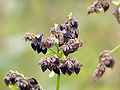
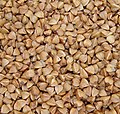
Buckwheat plants can grow from 1 to 4 feet tall and have broad, heart-shaped leaves 🍃. They produce lovely white flowers that bloom in the summer. 🌼The flowers turn into triangle-shaped seeds which are usually dark brown or black. Each buckwheat plant can produce up to 100 seeds! The seeds are then harvested and used for food, while the plant itself often dies off at the end of the season, enriching the soil for next year’s crops. Did you know that buckwheat can grow in cool climates? ❄️
Go deeper🎉 Cultural Significance
Buckwheat is important in many cultures around the world. In Japan, soba noodles made from buckwheat are traditionally eaten on New Year's Eve to celebrate longevity. 🎉In Russia, buckwheat is known for its heartiness and is featured in traditional dishes, especially during the winter months. ❄️ Buckwheat symbolized resilience and nourishment in different cultures. As more people discover buckwheat, it continues to be a beloved food around the world! 🌎It’s great to learn about how food connects us to our traditions and values!
Go deeper🌞 Cultivation And Harvest
Farmers start by planting buckwheat seeds in spring or summer, depending on their location. 🌞It grows quickly, usually ready to harvest in about 10-12 weeks! When the flowers start to turn brown, it’s time to harvest. Harvesting takes place in September and October in places like the U.S. 🌾Farmers can use special machines to collect seeds efficiently. Buckwheat is also great for cover cropping, which means it helps protect and nourish the soil during off-seasons. 🌍This makes farmers very happy because it means better crops for the future!
Go deeper🌳 Taxonomy And Classification
Buckwheat is classified as follows: it belongs to the kingdom Plantae and the family Polygonaceae, which includes knotweeds and rhubarbs. 🌳Within this order, it falls under the genus Fagopyrum and the species esculentum. Fun fact! The name "buckwheat" comes from the shape of its seeds, which look a bit like the horns of a male deer, also known as a "buck." 🦌 This plant is closely related to sorrel and rhubarb! Understanding how plants are classified helps scientists learn more about them and how they grow. 📚
Go deeper🌱 Research And Future Prospects
Scientists are very interested in buckwheat for various reasons! 🌱Research is ongoing to find out how to grow it better and use it in new recipes. Some studies focus on its potential health benefits, while others explore its role in sustainable agriculture. Genetic studies are helping scientists develop new buckwheat varieties that can grow in different climates. 🌍Buckwheat has a bright future ahead, potentially becoming an important crop as we learn more about how it can support healthier diets and a cleaner planet. 🌟Keep your eyes open for more tasty buckwheat creations!
Go deeper