European Coal And Steel Community Facts For Kids
The European Coal and Steel Community was a post-World War II organization that united six European nations to create a common market for coal and steel, promoting economic growth and peace in Europe.
Select reading age
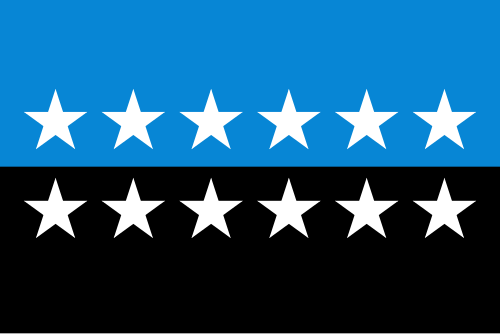
European Coal And Steel Community Facts For Kids
Videos & Quizzesincluded
About this topic
The European Coal and Steel Community (ECSC) was formed in 1951 🌍 to bring together countries in Europe so they could work together peacefully after World War II. The main idea was to combine coal and steel industries, which are super important for making things like trains, cars, and buildings! 🚗🏗️ The ECSC included six founding countries—Belgium, France, Germany, Italy, Luxembourg, and the Netherlands. By working together, they hoped to prevent future wars 🤝 and create a strong economy. The ECSC was a big step towards what we now call the European Union (EU) 🌟, which helps countries cooperate all over Europe!
Explore with ChatDinoKey Points
The ECSC positively influenced the economy of its member states.
The ECSC started with six founding members: Belgium, France, West Germany, Italy, Luxembourg, and the Netherlands.
After World War II ended in 1945, many European countries were left in ruins.
The main goal of the ECSC was to make peace and cooperation in Europe stronger.
Politically, the ECSC marked a new era for Europe 🌍.
Despite its many successes, the ECSC faced some challenges and criticisms.
Over time, the ECSC laid the groundwork for further European integration.
The Treaty of Paris, signed in 1951, was the main agreement that formed the ECSC.
The ECSC played a major role in shaping the European Union we know today!
The ECSC is similar to other international organizations, but it focused specifically on coal and steel industries 🤔.
Photos of European Coal And Steel Community

European Coal And Steel Community — photo 1

Former headquarters of the High Authority in Luxembourg

The 15 ECSC (EU) members in 2002
🌍 Economic Impact
The ECSC positively influenced the economy of its member states. 🌍By combining coal and steel industries, the ECSC helped create a strong and efficient market. This cooperation led to job creation, meaning people could find work in factories that made steel or mined coal! 💼🚂 The easier trade among countries also allowed businesses to grow, which created wealth for everyone. Ultimately, the ECSC played an important role in helping European countries recover from the damages of World War II and boosted their economies, laying the foundation for further growth. 💰
Go deeper🚗 Founding Members
The ECSC started with six founding members: Belgium, France, West Germany, Italy, Luxembourg, and the Netherlands. 🇧🇪🇫🇷🇩🇪🇮🇹🇱🇺🇳🇱 These nations joined forces to share their coal and steel resources. This was important because these materials made everything from houses to cars! 🚗The leaders of these countries worked together to create rules for their industries, making it fair for everyone involved. By being "founding members," they set a great example that others could follow. 🌟Their teamwork helped lay the groundwork for future cooperation in Europe!
Go deeper🌍 Historical Context
After World War II ended in 1945, many European countries were left in ruins. 🌍Cities were destroyed, and people were struggling. Leaders wanted to prevent future conflicts, so they thought, "Why not team up?" 🤔 This led to the creation of the ECSC in 1951. It encouraged cooperation between countries like France and Germany, who had been enemies in the past. By working together on coal and steel, they could build everything back better! 🏗️ The ECSC helped stabilize Europe and created friendships that allowed countries to trust each other more. 🤝
Go deeper🤝 Goals And Objectives
The main goal of the ECSC was to make peace and cooperation in Europe stronger. 🤝By integrating coal and steel industries, the member countries could work together and avoid conflicts over resources. Another important objective was to create a common market, allowing these countries to trade with each other easily. 🚢This meant no tariffs, which are extra taxes on goods! The ECSC aimed to improve the economy of all member nations, making life better for everyone. As these countries cooperated more, they became more united, leading to a peaceful Europe! 🌍
Go deeper🌍 Political Significance
Politically, the ECSC marked a new era for Europe 🌍. It was the first time countries agreed to work together on shared resources. The High Authority made decisions for all member nations, showing that they could cooperate instead of fighting for their own interests. This new way of handling decisions was called "supranationalism." 🌟 This meant that countries could give up some power for the greater good. The ECSC gave a strong signal that peace could be maintained through teamwork, inspiring future agreements like the European Union, which continues to promote collaboration today! 🤝
Go deeper😕 Challenges And Criticisms
Despite its many successes, the ECSC faced some challenges and criticisms. 😕Some countries worried that they would lose control over their resources and industries, which made them hesitant to join. Others felt that the decisions made by the High Authority sometimes did not reflect the needs of individual nations. 🏛️ There were also economic differences between member states that made cooperation tricky at times. But while these challenges existed, the ECSC still showed how countries could unite and work together! Overcoming these obstacles helped set the stage for a stronger and larger European Union in the future! 🌟
Go deeper🌐 Expansion And Integration
Over time, the ECSC laid the groundwork for further European integration. 🌐Following its success, other organizations and agreements, like the European Economic Community (EEC), expanded cooperation among various countries. The ECSC showed that sharing resources like coal and steel worked well, inspiring others to do the same with other important areas, like trade and law. Soon more European countries wanted to join in this exciting collaboration! 🚀Today, the European Union includes many more countries that continue to work together for peace and prosperity, thanks to the ECSC’s strong start! 🌍
Go deeper🚀 Key Treaties And Agreements
The Treaty of Paris, signed in 1951, was the main agreement that formed the ECSC. 🚀This treaty set the rules for how the coal and steel industries would work together among the six nations. For example, it created a High Authority—a group of people who made decisions for the whole community, rather than just for their own countries. 🏛️ The ECSC also established a common market for coal and steel, which made trading easier and fairer. Over the years, more agreements followed that strengthened cooperation, paving the way for later establishments like the European Union! 🌟
Go deeper🌍 Legacy And Influence On The Eu
The ECSC played a major role in shaping the European Union we know today! 🌍Its principles of cooperation and unity guided other countries to join in working together. The ECSC's focus on shared resources built strong relationships, paving the way for agreements like the Treaty of Rome in 1957. This led to the creation of the EEC, which further connected European nations. Even today, the lessons learned from the ECSC are still important, as the EU focuses on peace, diplomacy, and collaboration between diverse member countries! 🤝
Go deeper🤔 Comparison With Other International Organizations
The ECSC is similar to other international organizations, but it focused specifically on coal and steel industries 🤔. For example, the United Nations (UN) works on peace and security for the entire world 🌎, while the World Trade Organization (WTO) focuses on making international trade easier. The ECSC was one of the first organizations to promote economic cooperation among countries, helping them build trust. This emphasis on collaboration helped inspire the European Union! 🌟Overall, the ECSC was a groundbreaking effort that made a lasting impact on how countries work together. 🌍
Go deeper