Ethmoid Bone Facts For Kids
The ethmoid bone is an unpaired bone in the skull that separates the nasal cavity from the brain.
Select reading age

Ethmoid Bone Facts For Kids
Videos & Quizzesincluded
About this topic
The ethmoid bone is a special part of our skull! 🦴It sits right between our eyes and helps separate the brain from the nasal cavity, which is where we breathe and smell. Cool, right? It’s shaped like a butterfly or a sieve and has a lot of tiny holes. These holes are super important because they allow nerves and blood vessels to pass through. The ethmoid bone is found in all humans and many animals. It plays a big role in keeping us safe by protecting the brain while letting us smell delicious cookies! 🍪
Explore with ChatDinoKey Points
Doctors can see the ethmoid bone with special machines like X-rays and CT scans!
The ethmoid bone is located smack dab in the middle of your skull, right between your eyes!
The ethmoid bone is made of different parts called "plates."
When you’re born, the ethmoid bone is still developing.
Sometimes, people have problems with their ethmoid bone!
The ethmoid bone is one of the key bones in your face!
The ethmoid bone has been known and studied since ancient times!
Did you know the ethmoid bone is one of the lightest bones in your skull?
The ethmoid bone is connected to the ethmoid sinuses, which are small air-filled spaces located on either side of it!
If someone has big problems with their ethmoid bone or sinuses, doctors might have to do surgery to fix things!
Photos of Ethmoid Bone
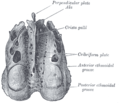
Ethmoid bone from above.

Perpendicular plate of ethmoid. Shown by removing the right labyrinth.

Ethmoid Bone — photo 3
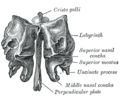
Ethmoid bone from behind.

Ethmoid bone from the right side.

Side view of the skull.
📸 Imaging And Diagnosis
Doctors can see the ethmoid bone with special machines like X-rays and CT scans! 📸An X-ray is like a photo of the insides of your body, while a CT scan gives a more detailed picture. These tools help doctors check for any problems such as fractures or sinus infections. They can also look at the bone’s shape and size! If you ever need one of these tests, don’t worry – they’re quick and help keep you healthy! Your doctor will explain everything to make sure you feel comfortable. 💙
Go deeper👀 Location And Function
The ethmoid bone is located smack dab in the middle of your skull, right between your eyes! 👀It hangs out above your nose, behind the forehead. Its main job is to support your nasal cavity, so air can flow freely when you breathe. It also helps you smell yummy food and flowers. 🌸The tiny holes in the bone allow special nerves that send smell signals from your nose directly to your brain. That means the ethmoid bone is super important for both breathing and smelling – two things we do every day! 🌈
Go deeper🥞 Anatomy Of The Ethmoid Bone
The ethmoid bone is made of different parts called "plates." 🥞 The horizontal plate forms the roof of the nasal cavity, while the vertical plate helps make up the walls. It has a special part called the "crista galli," which connects to the brain’s protective covering called the dura mater. The ethmoid bone has many small holes called "cribriform plates." These holes let smell nerves travel from our nose to our brain so we can recognize the scents around us. It’s tiny but mighty! 🌟
Go deeper👶 Ethmoid Bone In Development
When you’re born, the ethmoid bone is still developing. 👶It grows as you do! By the time you reach about 5 years of age, the bone is getting closer to its adult size. As you continue to grow, the ethmoid bone helps shape your face. It’s formed mostly from cartilage at first, which helps it stay flexible. Over time, it turns into bone so it can protect your brain well. By the time you become a teenager, your ethmoid is fully developed and doing its important job every day! 🌱
Go deeper😟 Common Disorders And Conditions
Sometimes, people have problems with their ethmoid bone! 😟One common issue is a sinus infection, called sinusitis. This infection can happen when the ethmoid sinuses fill with bacteria or viruses, making it hard to breathe and smell. Another condition is a fracture, which can occur from an injury, like a sports accident. This might cause pain around your eyes and nose. If someone experiences these symptoms, it’s important to visit a doctor, who can help make it better! 🌈
Go deeper🦷 Comparison With Other Facial Bones
The ethmoid bone is one of the key bones in your face! 🦷Unlike some other facial bones, like the jawbone (mandible) or cheekbone (zygomatic), the ethmoid is unpaired, which means you only have one of them. The ethmoid bone helps to support your nasal cavity and sense of smell, while the jawbone helps you chew food and the cheekbone gives your face its shape. Together, all these bones work harmoniously to allow you to eat, breathe, and smell. Isn’t teamwork amazing? 🤝
Go deeper📜 Historical Significance In Anatomy
The ethmoid bone has been known and studied since ancient times! 📜Ancient doctors, like Hippocrates and Galen, noted its importance in the human body. Over the years, medical scholars have looked at its unique structure and how it helps connect the nose to the brain. Today, we understand even more about the ethmoid bone through advanced medical imaging! The study of this bone helps scientists learn how our bodies work and how to treat conditions related to it, making it an important piece of anatomy history! 🔍
Go deeper🕊️ Interesting Facts About The Ethmoid Bone
Did you know the ethmoid bone is one of the lightest bones in your skull? 🕊️ It’s filled with tiny holes to make it lighter! It also has a very important role in helping you smell things, making it unique among other bones. While the term “ethmoid” comes from the Greek word for "sieve," this bone has been compared to a butterfly due to its shape! 🦋The ethmoid bone is fascinating, and learning about it helps us appreciate how our bodies work every day! So remember, when you smell your favorite cake, thank your ethmoid bone! 🎂
Go deeper🌬️ Sinuses Associated With The Ethmoid Bone
The ethmoid bone is connected to the ethmoid sinuses, which are small air-filled spaces located on either side of it! 🌬️ These sinuses help you breathe better and lighten your skull so it’s not too heavy. When you have a cold, these sinuses can get filled with mucus, causing stuffiness. 😷Located between your eyes and cheeks, the ethmoid sinuses help create your voice and make it sound nice! Without them, your head would feel full and heavy – yikes! 🚀
Go deeper🔧 Surgical Procedures Involving The Ethmoid Bone
If someone has big problems with their ethmoid bone or sinuses, doctors might have to do surgery to fix things! 🔧One common procedure is called endoscopic sinus surgery. This helps doctors remove blockages in the sinus area so you can breathe better. During surgery, doctors use special instruments that go through your nose to reach the ethmoid area without making big cuts. It sounds a little scary, but don’t worry—the doctors are very skilled, and many people feel better afterward! 🌟
Go deeper